Pressure Booster Pumps & Water Systems for Multi-Storey and High-Rise Buildings
Specialists in High-Rise Water Systems
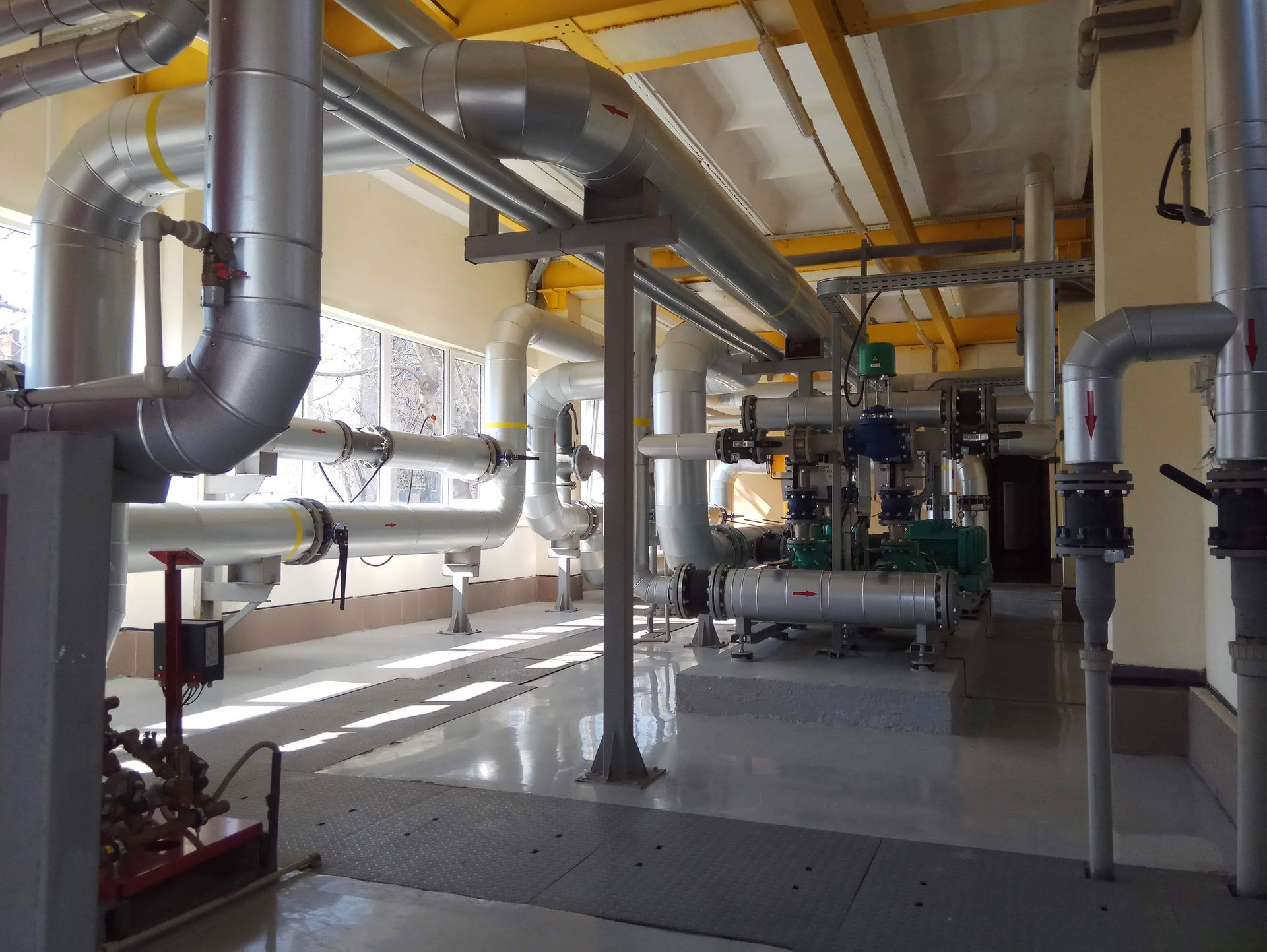
As a Grundfos Authorised and Davey Pumps dealer specialising in HVAC systems, we're the trusted strata specialists that building and strata managers prefer to call. We deliver reliable water pressure at every level, from the basement plant room to the penthouse with full supply, installation, commissioning and ongoing maintenance. Our fully licensed pump technicians service and supply all brands, backed by preventive maintenance contracts that keep your systems running smoothly year-round. When something does go wrong, our 24/7 emergency service delivers a rapid response to minimise building downtime — because we know every hour counts when critical systems are down.
- Grundfos Authorised
- Davey Pumps
- HVAC Systems
- Strata Specialists
- 24/7 Emergency Service
- Fully licensed pump technicians
- Strata & building manager preferred supplier
- Preventive maintenance contracts available
- Rapid response — minimising building downtime
- All brands serviced & supplied
When Water Pressure Fails in a High-Rise, Everyone Notices
Why it Matters
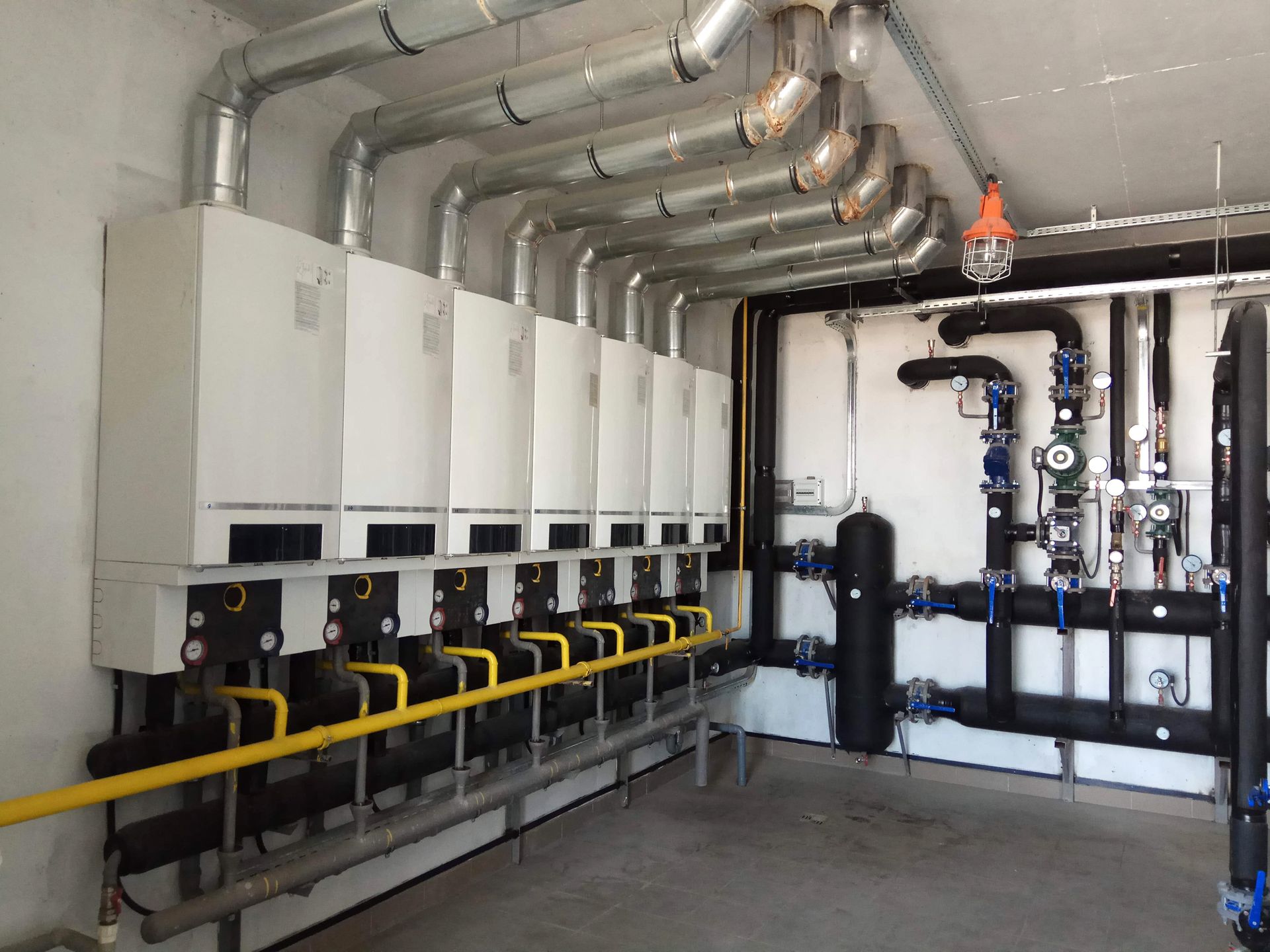
Multi-storey and high-rise buildings present challenges that a standard residential pump simply cannot meet. Water must be delivered at adequate pressure to apartments on the 20th floor, to fire suppression systems, to commercial tenants, and to every amenity in between — simultaneously and without fail.
Inadequate water pressure in strata buildings generates the highest volume of maintenance requests strata managers deal with. Our specialist pump systems are engineered to eliminate these complaints by delivering constant, code-compliant pressure at every outlet, regardless of the number of users or the height of the building.
Whether you manage a boutique five-storey block or a 40-level tower, we design, supply, install and service pressure booster systems, sewerage pump stations, stormwater pump systems and potable water infrastructure built to Australian standards.
Common High-Rise Water Pressure Problems We Fix
- Weak shower pressure on upper floors
- Pressure fluctuations during peak demand
- Booster pump failures causing building-wide outages
- Aging or undersized pump sets for new tenancy loads
- Sewerage pump station blockages and alarms
- Stormwater pump failure during heavy rainfall events
- Potable water contamination risk from degraded equipment
- High energy costs from inefficient pump operation
Complete Pump Solutions for Every Building Water System
Our Pump Systems
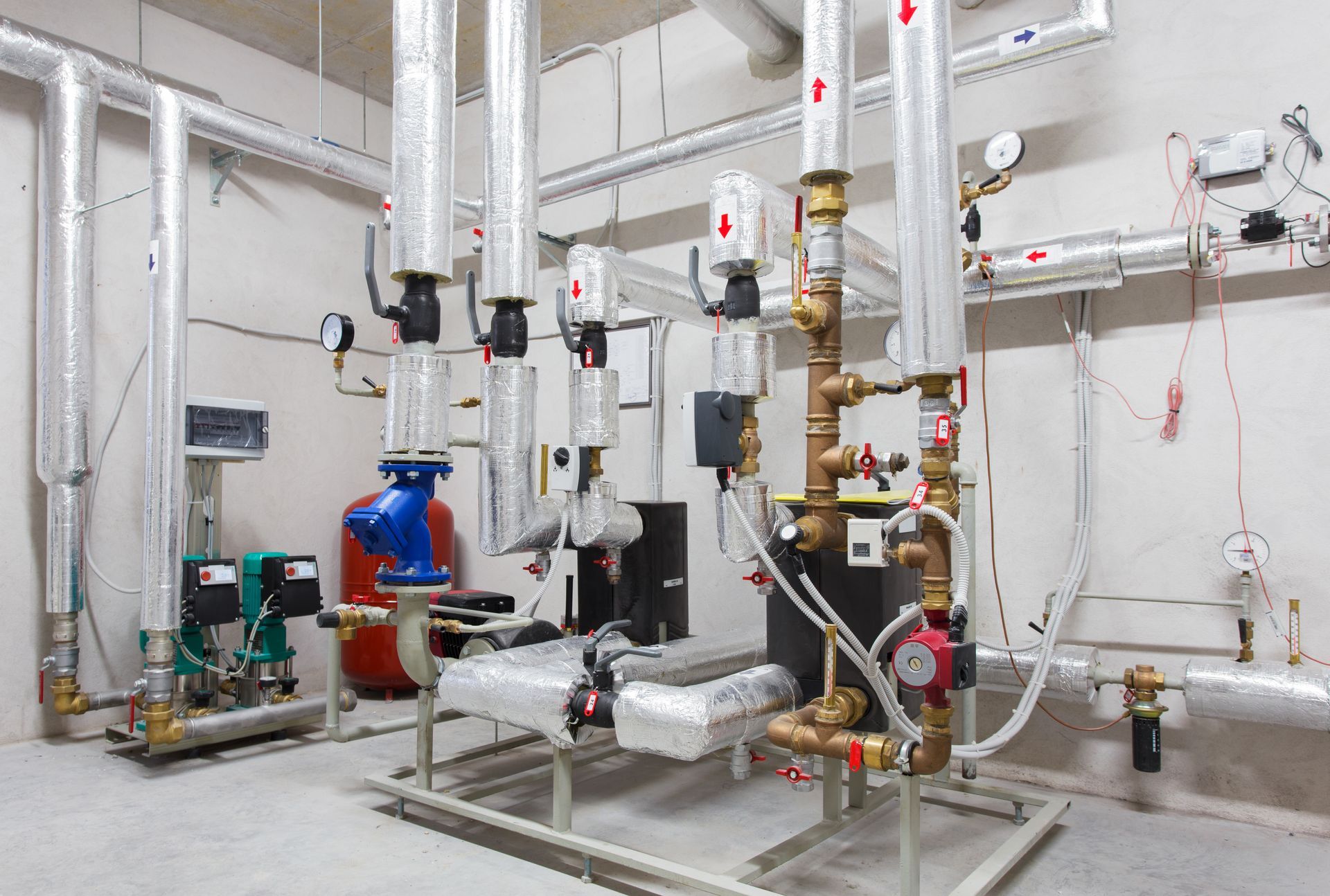
We supply and service the full range of pump systems required for compliant, high-performance water management in multi-storey residential, commercial, and mixed-use buildings.
Pressure Booster Pump Systems
Designed to maintain constant, high-pressure water delivery to every floor level. Variable speed drive technology matches output precisely to demand, eliminating pressure spikes and reducing energy consumption.
- Single and multi-pump booster sets
- Variable speed drive (VSD) control
- Pressure vessel and expansion tanks
- Fault monitoring and BMS integration
- Suitable for residential, commercial & mixed-use
Potable Water Pumps
Drinking water systems in high-rise buildings demand materials and designs that meet strict AS/NZS hygiene standards. Our potable water pump solutions use food-grade, non-corrosive components to ensure safe delivery of clean water to residents.
- NSF/ANSI-certified pump components
- Cold and hot water recirculation systems
- Rooftop tank booster configurations
- UV disinfection integration available
- Full compliance with AS/NZS 3500
Wastewater & Sewerage Pumps
Sewerage and wastewater pumping systems are critical infrastructure in any multi-storey building. Pump failures here quickly escalate into health, compliance and reputational issues. We install robust duplex sewage pump stations with backup and alarm systems.
- Duplex sewage pump stations
- Submersible sewerage pumps
- Grinder pumps for below-grade drainage
- High-water alarm and auto-transfer systems
- Strata-compliant pump wet well design
Stormwater Pumps
Basement car parks, podium levels and underground services are vulnerable to flooding. Correctly sized stormwater pump systems protect your building assets and reduce liability for strata schemes during intense rainfall events.
- Sump and pit submersible pumps
- Dual-pump automatic changeover
- High-volume drainage pump stations
- Flood protection integration
- Strata compliance documentation
Water Circulation & HVAC Pumps
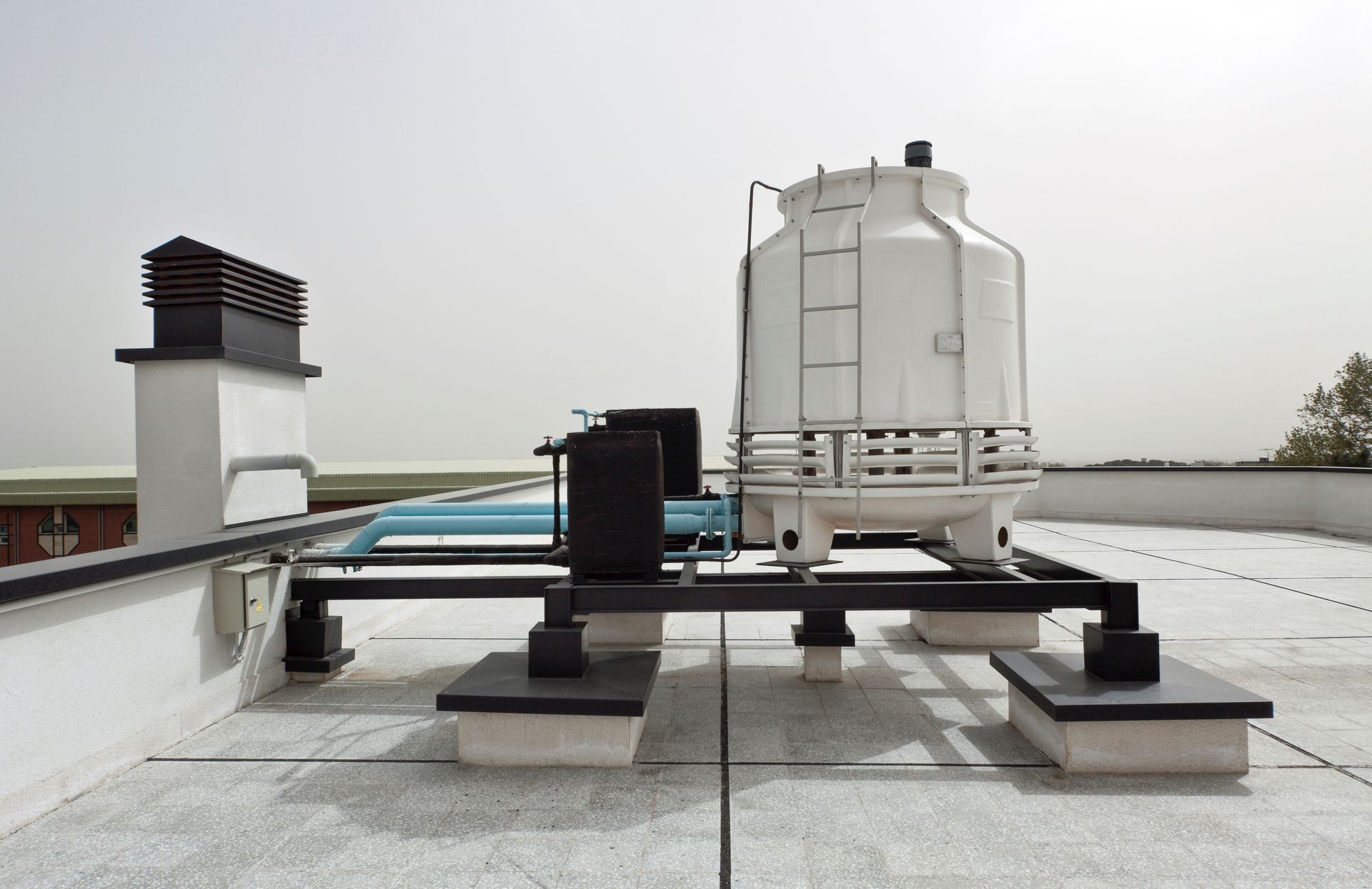
Hydronic heating, cooling towers, chilled water loops and domestic hot water recirculation all depend on properly sized, energy-efficient circulation pumps. Poor pump selection leads to system inefficiency, noise complaints, and premature equipment failure.
- Chilled water and condenser water pumps
- HVAC primary and secondary loop pumps
- Domestic hot water recirculation
- Energy-rated ECM and IE3 motors
- BMS monitoring and control integration
Fire Suppression Booster Pumps
Fire hydrant and sprinkler booster pump systems must operate flawlessly on demand. We supply and commission AS 2941-compliant fire pump sets, including duty/standby diesel and electric pump configurations, jockey pumps, and controller panels.
- AS 2941 compliant pump sets
- Electric and diesel duty/standby pairs
- Jockey pump assemblies
- Annual test and commissioning
- Coordination with fire engineers
Industry-Leading Pump Brands for High-Rise Applications
Brands We Supply & Service
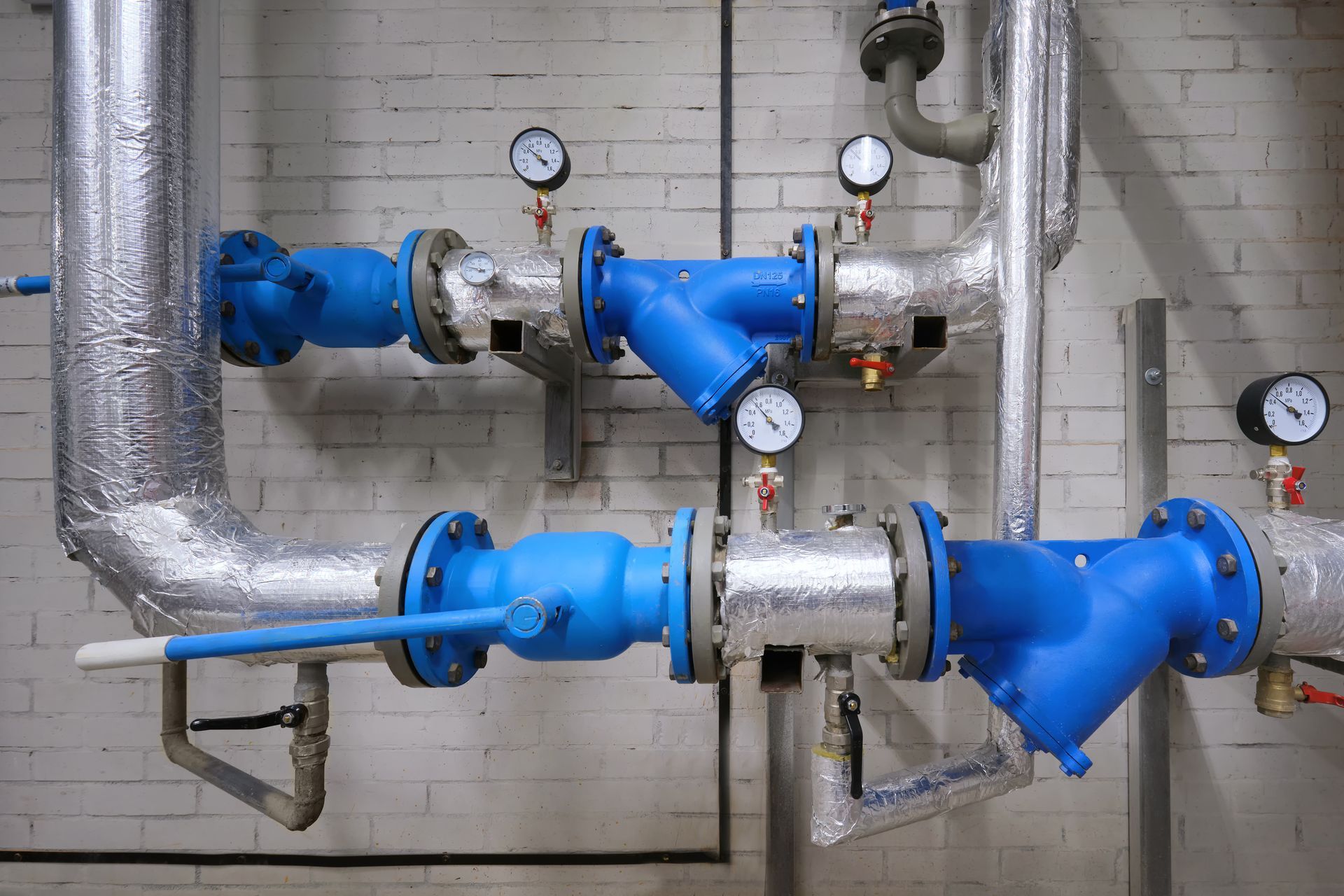
We are authorised suppliers and service agents for the world's most trusted pump manufacturers. Every brand we recommend is selected for reliability, energy efficiency, and suitability for Australian high-rise conditions.
Grundfos - Global Leader
Grundfos is the world's leading pump manufacturer, with a product range purpose-built for building services applications. Their CR vertical multistage pumps and Hydro MPC pressure booster systems are the benchmark for high-rise pressure systems in Australia.
- CR / CRE vertical multistage pumps
- Hydro MPC pressure boosting systems
- Magna and TP series HVAC circulators
- Unilift and Multilift sewage pumps
- iSOLUTIONS remote monitoring
Davey - Australian Made
Davey Water Products is Australia's most recognised pump brand, engineering pumps specifically for Australian conditions since 1934. Davey's pressure systems are a popular choice with strata schemes and property managers due to their reliability and local service network.
- HM series multistage pressure sets
- DynaDrive variable speed pump systems
- XP series submersible sewage pumps
- Stormwater and sump submersibles
- Strong national parts and service support
HVAC Brands - Circulation Specialists
For hydronic HVAC circulation, we supply pumps from leading brands including Wilo, Armstrong, Bell & Gossett and KSB. These systems are designed for continuous duty in chilled and hot water loops in commercial and residential tower applications.
- Wilo Stratos ECM circulators
- Armstrong Design Envelope pumps
- Bell & Gossett commercial hydronic pumps
- KSB Etanorm and Movitec series
- Integration with BMS/SCADA systems
Which System Is Right for Your Building?
Pump Selection Guide
| Application | Recommended System | Typical Brand | Key Spec |
|---|---|---|---|
| Pressure boosting (residential high-rise) | Variable speed multi-pump booster set | Grundfos Hydro MPC / Davey HM | Constant pressure, VSD control |
| Potable water — rooftop tank to floors | Multistage centrifugal pump set | Grundfos CR series | Food-grade materials, AS 3500 |
| Sewerage — below-grade discharge | Duplex submersible sewage station | Grundfos Unilift / Davey XP | Grinder or vortex impeller |
| Basement stormwater / car park sump | Dual automatic submersible pumps | Davey / Wilo | High flow, float switch control |
| HVAC chilled water loop | In-line centrifugal circulator | Wilo Stratos / Armstrong | ECM motor, IE4 efficiency |
| Fire hydrant / sprinkler booster | AS 2941 fire pump set | Grundfos / Davey dedicated fire | Electric + diesel duty/standby |
| Hot water recirculation | Small circulator with timer/sensor | Grundfos UP / Davey | Low watt, continuous duty |
Why Strata Managers Trust Us for Building Pump Systems
For Strata Managers & Building Managers
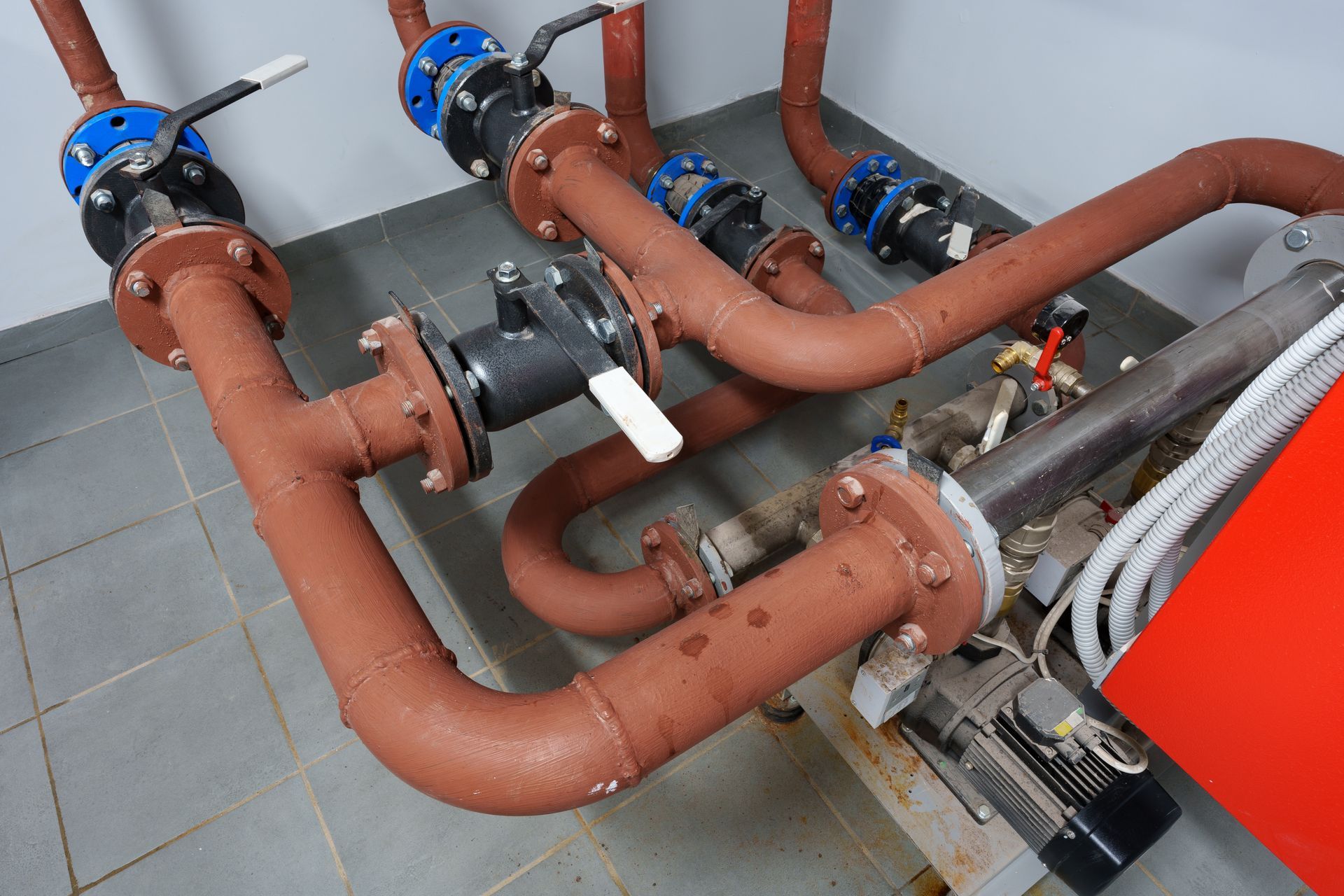
Strata managers carry direct responsibility for the ongoing reliability of building water systems. When a pressure pump fails, residents lose water pressure. When a sewage pump stops, the consequences are immediate and costly. When a stormwater pump fails during a storm event, basement flooding can cause tens of thousands of dollars in damage.
We understand the specific obligations strata managers face under the Strata Schemes Management Act and related building codes. Our service is structured to reduce your administrative burden, protect the owners corporation from liability, and deliver transparent, auditable maintenance records.
What We Provide Strata Managers
- Scheduled preventive maintenance contracts with monthly, quarterly or annual intervals
- Written service reports after every attendance — suitable for AGM and committee records
- Emergency callout response with priority scheduling for strata accounts
- Quotes structured for strata committee approval — clear scope, no hidden costs
- Coordination with building managers and on-site staff
- Capital works advice for 10-year maintenance plans
- AS 2941 and AS 1851 fire pump annual test and certification
- Insurance-ready defect reports and system compliance documentation
Signs Your Strata Building Needs a Pump System Assessment
- Residents on upper floors reporting consistently low water pressure
- Pump system is over 10–12 years old without major overhaul
- Energy bills have increased without explanation
- Frequent pump alarms or fault resets
- No current service contract or maintenance records on file
- Upcoming capital works plan review
- Building has undergone renovations increasing water demand
- Any sewage pump wet well odour or alarm history
Building Maintenance Coordinators
We work directly with in-building maintenance staff and facilities coordinators. If you manage day-to-day plant room operations, we can train your team on basic pump system checks, supply spare parts for common consumables, and put a service agreement in place that keeps pump assets in compliant working order year-round.
Our Process for New Pump System Projects
How We Work
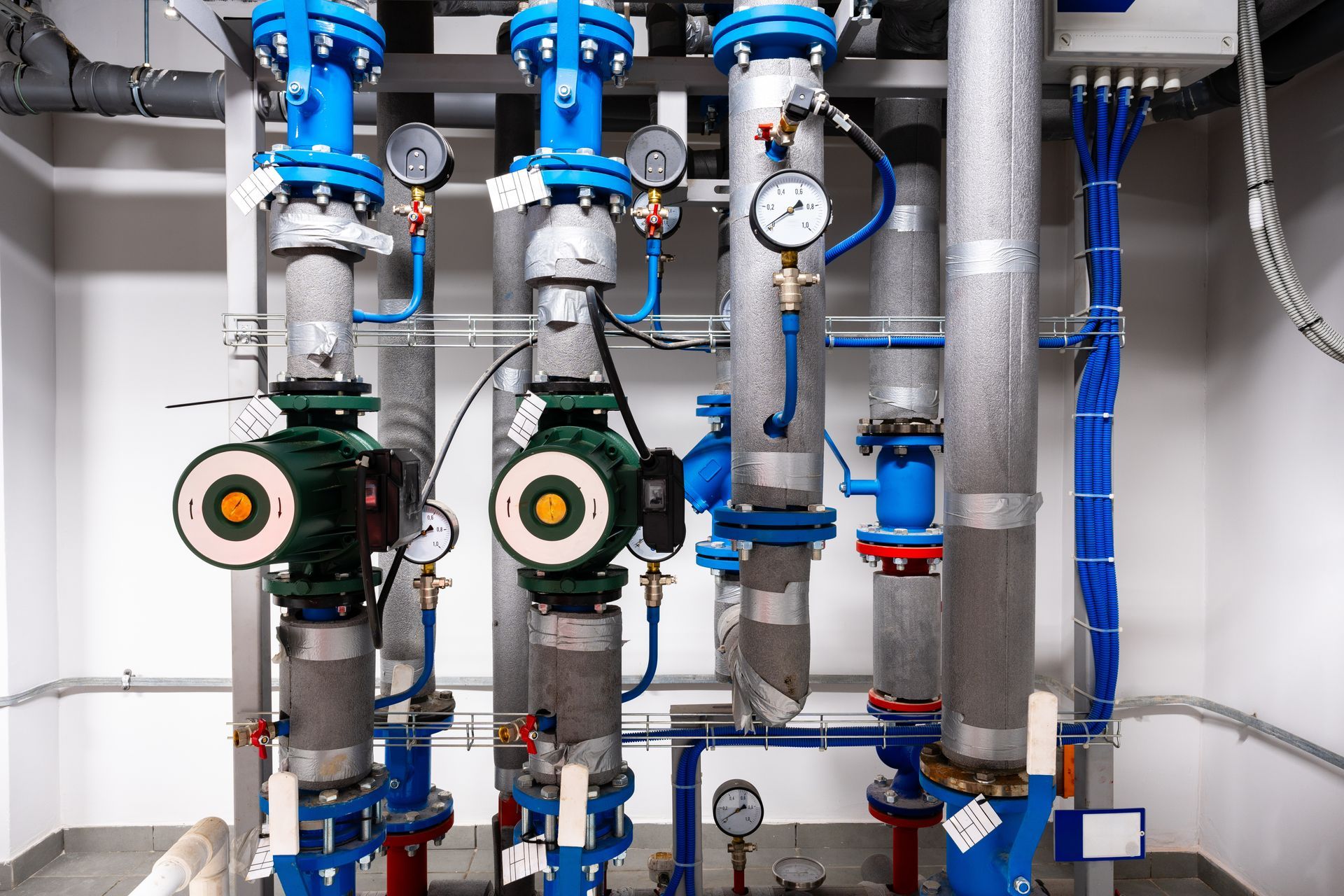
From initial enquiry to commissioning, here is how a typical pump system project or replacement works when you engage us.
1. Site Assessment & System Audit
We inspect the existing pump plant room, review system drawings (where available), measure static pressure from the street main, and assess current pump performance against building demand. This gives us the data to specify the right solution rather than guess.
2. System Design & Specification
Based on building height, floor count, occupancy and usage profiles, we design a pump system that meets Australian Standards, delivers the target pressure at the highest outlet, and complies with local water authority requirements. We select pump model, motor size, pressure vessel, controls and monitoring components.
3. Quotation & Strata Approval
We produce a clear, itemised quote with a written scope of works - formatted to support strata committee decision-making. We can attend committee meetings or provide written technical briefings to support the approval process.
4. Supply, Installation & Commissioning
Our licensed plumbers and pump technicians handle full installation including pipework connections, electrical, controls wiring and pressure testing. System commissioning includes setting pressure parameters, testing duty/standby changeover, and verifying pressure at multiple floor levels.
5. Handover & Ongoing Maintenance
We provide a full handover package including compliance certificates, system drawings, operation manuals, and a recommended maintenance schedule. Preventive maintenance agreements keep your system in peak condition and your records up to date for owners corporation requirements.
Frequently Asked Questions - Pump Systems for High-Rise Buildings
Answers to the most common questions from strata managers, building managers and property maintenance teams.
Get a Building Pump System Assessment Today
Whether you're a strata manager, building manager or facilities coordinator - we'll assess your building's pump infrastructure and give you clear, actionable recommendations. We are here for you, contact Shenton Pumps in Perth and request a site assessment or ask about maintenance contracts. Send us a message or call us on 08 9457 5033 so you can enjoy a hassle free experience.