A Guide to Swimming Pool Pump Maintenance
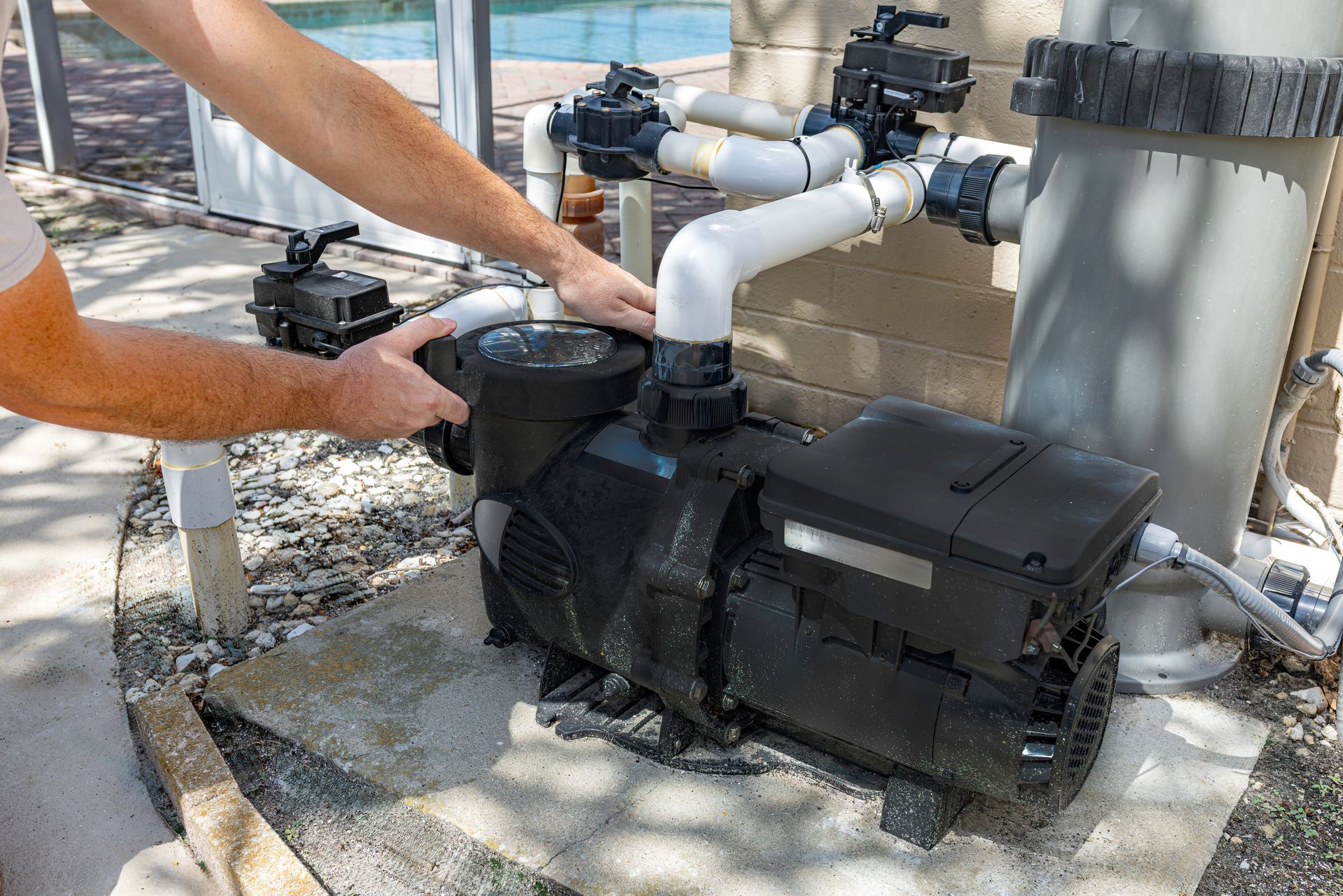
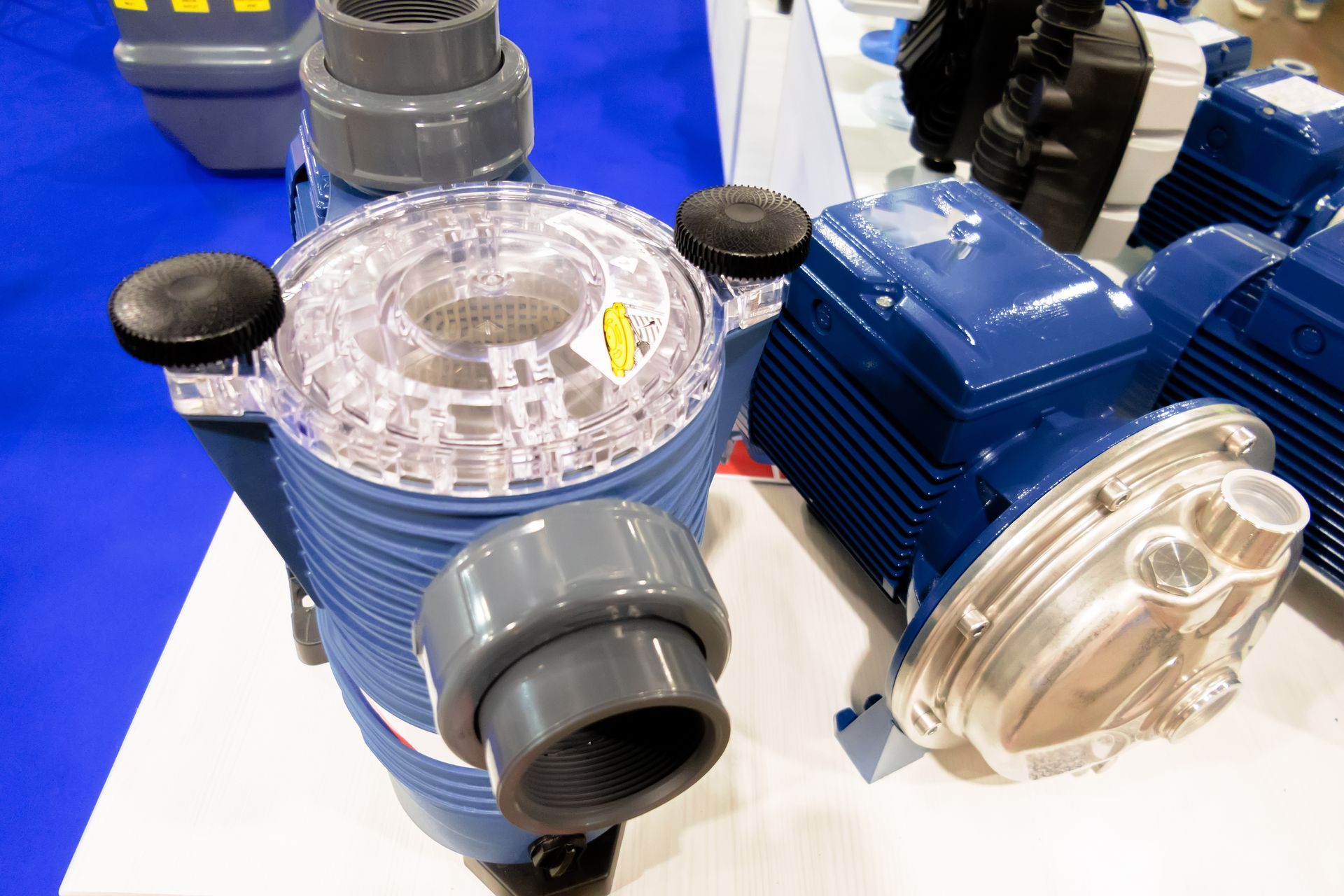
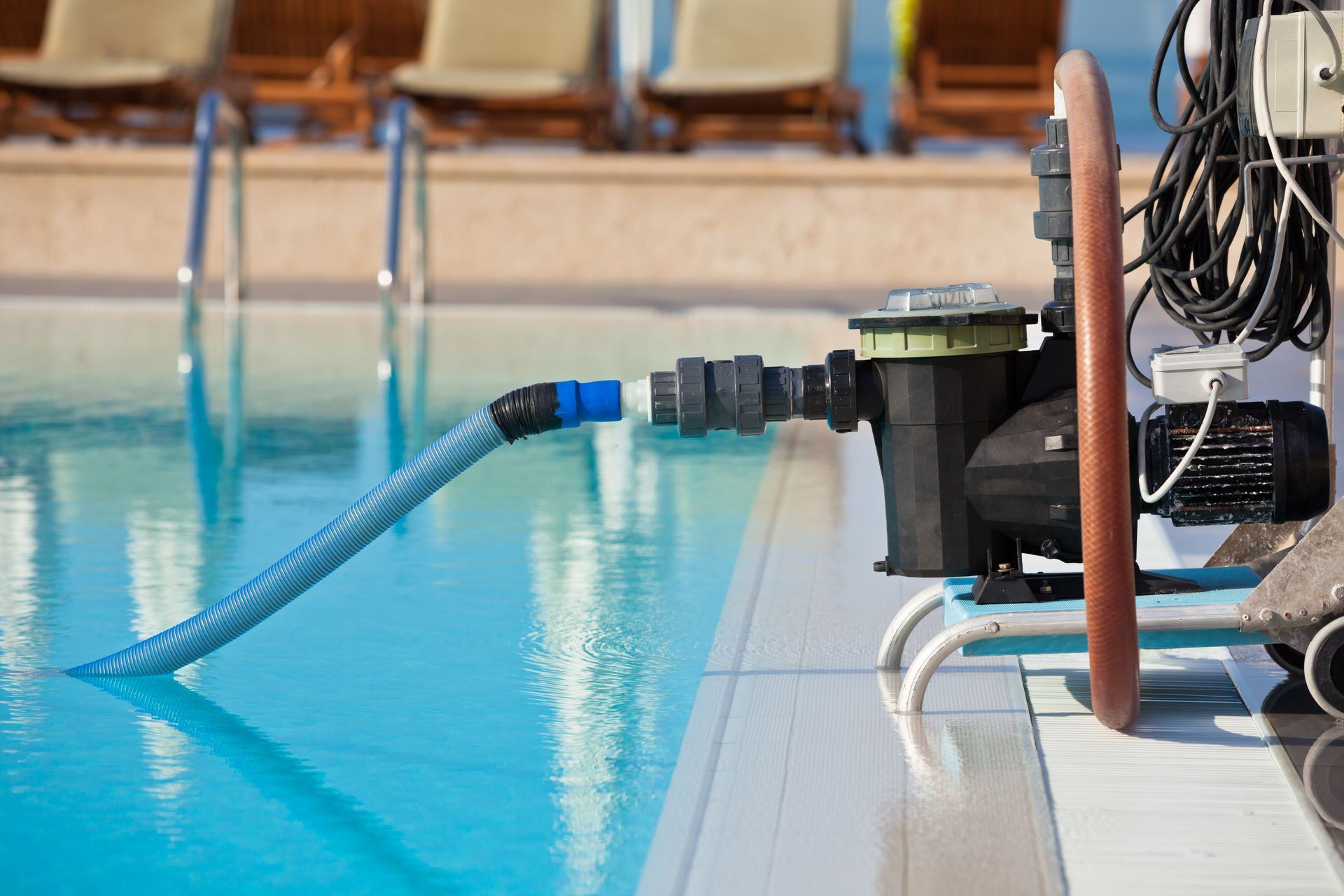
Maintenance is an important way to get the best out of your pump. Well-maintained pumps are energy-efficient, quiet and economical. However, maintaining your pool pump involves caring for the entire system, including pool components. When one section fails, problems emerge in the rest of the plumbing, water supply, controls and pumping systems.
There are different approaches to maintaining your pump. You may adopt scheduled maintenance, adhere to the schedule provided by the manufacturer, or choose to repair items as soon as they fail. Pump maintenance helps keep the system operational and prevents gradual failure that is expensive to rectify. This piece provides essential tips for pool pump maintenance.
Lubricate the pump and its components
Different pump processes require proper lubrication using the recommended material. For example, depending on the process, you may vary the type of lubricant by selecting atomized oil, liquid oil or grease. Areas of the pump that experience intense friction or have high speeds require oil, while the vertical and heavy sections need grease. Therefore, ensure you use the proper lubricant in the correct places.
Lubrication helps extend the life of your pump by minimizing wear and tear from friction. A lubricated pump is also silent and energy efficient. Lubrication is also essential in a pool pump since the area has water and moisture in the air from the pool, which can easily corrode the pump. Proper lubrication helps reduce the downtime of your pool pump.
Clean the filters
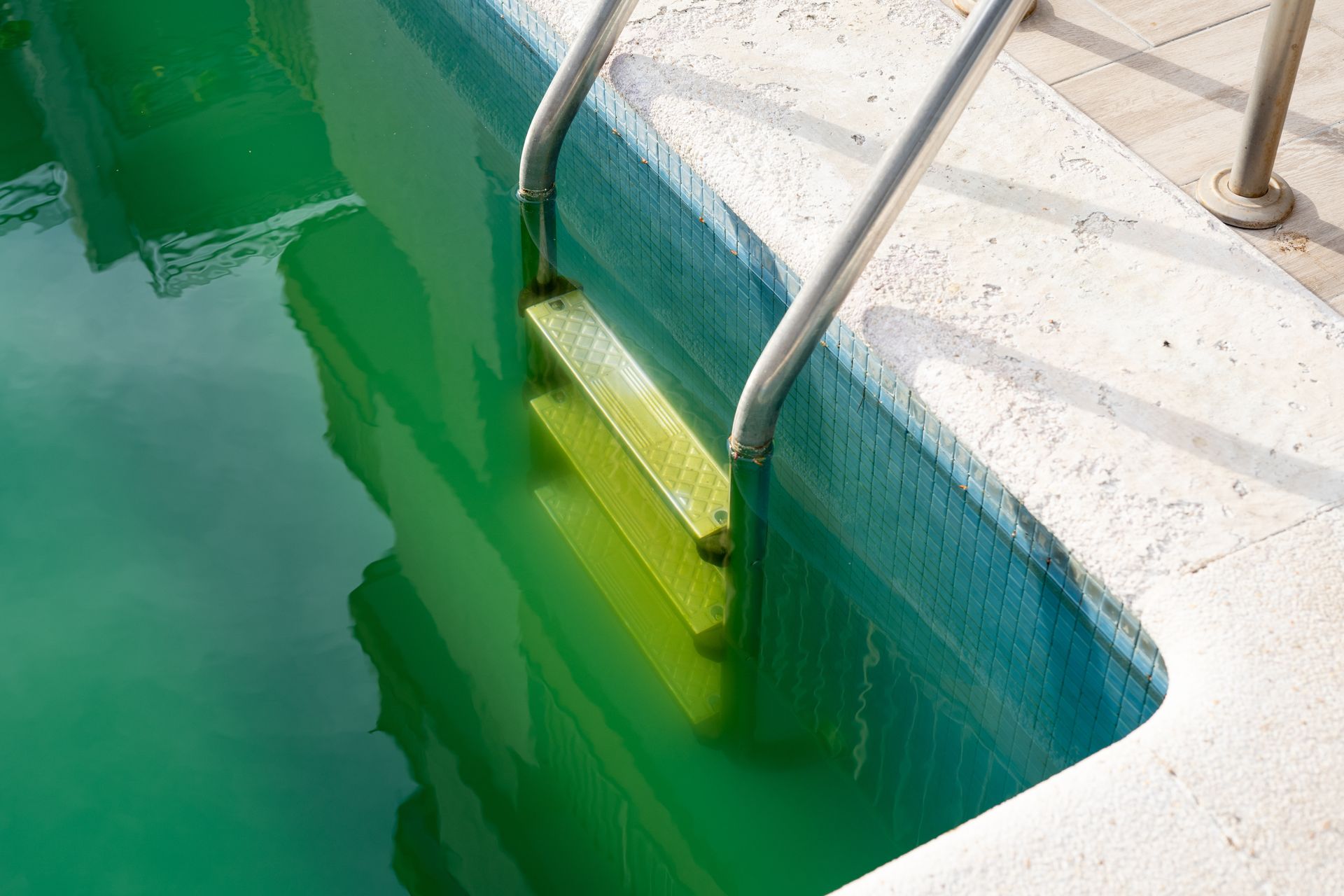
Filters are essential in any hydraulic system. The condition of the filter determines the risk of contamination. Most debris, dirt particles and bacteria enter your pool when the filter is in poor condition or clogged.
The filter also improves the durability of other equipment in the pool water system. For example, debris in your pipes blocks them, and they can easily burst, especially in vulnerable sections such as joints. Dirty filters also force the pump to work harder than usual when it gets stuck with debris. Therefore, cleaning the filters and continually changing them can help ensure your pump lasts for a long time.
Monitor all components
Most problems that may cause your pool pump to fail take time. The issue starts with a few signs that are difficult to notice until they build up into expensive problems. You can solve minor issues and replace certain parts by continually monitoring the pump. The monitoring process also helps compensate for the shortcomings of scheduled maintenance.
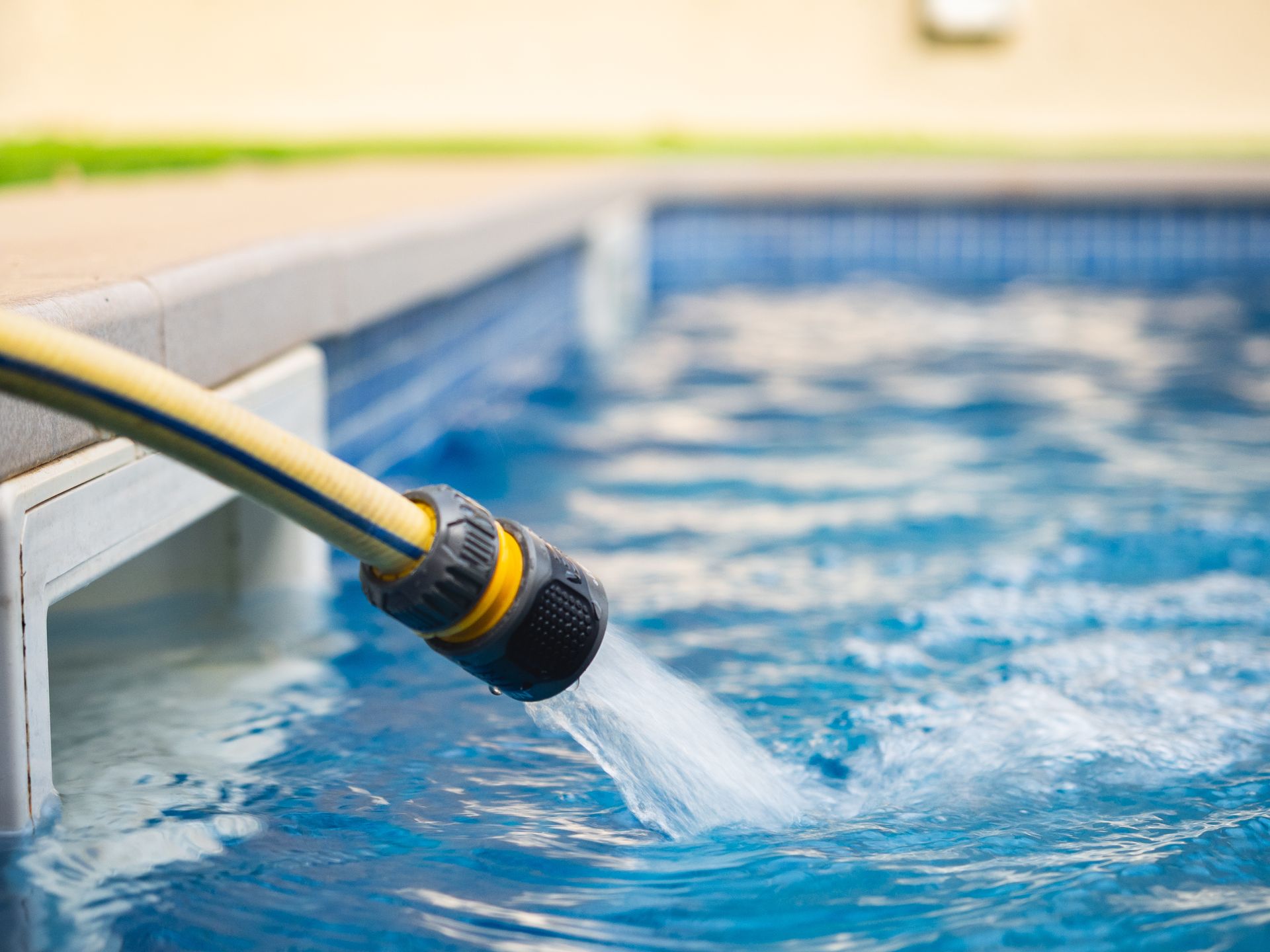
Some signs of a damaged pump include leakage, noises, vibrations and low water levels in the pool. Vibrations and noises are easy to notice, mainly if you use the pump for a long time and can differentiate typical sound and vibration levels. Some issues may be easy to repair, such as loose mounting points, but you can call a technician if you feel the problem is much more significant.
Maintain the piping system
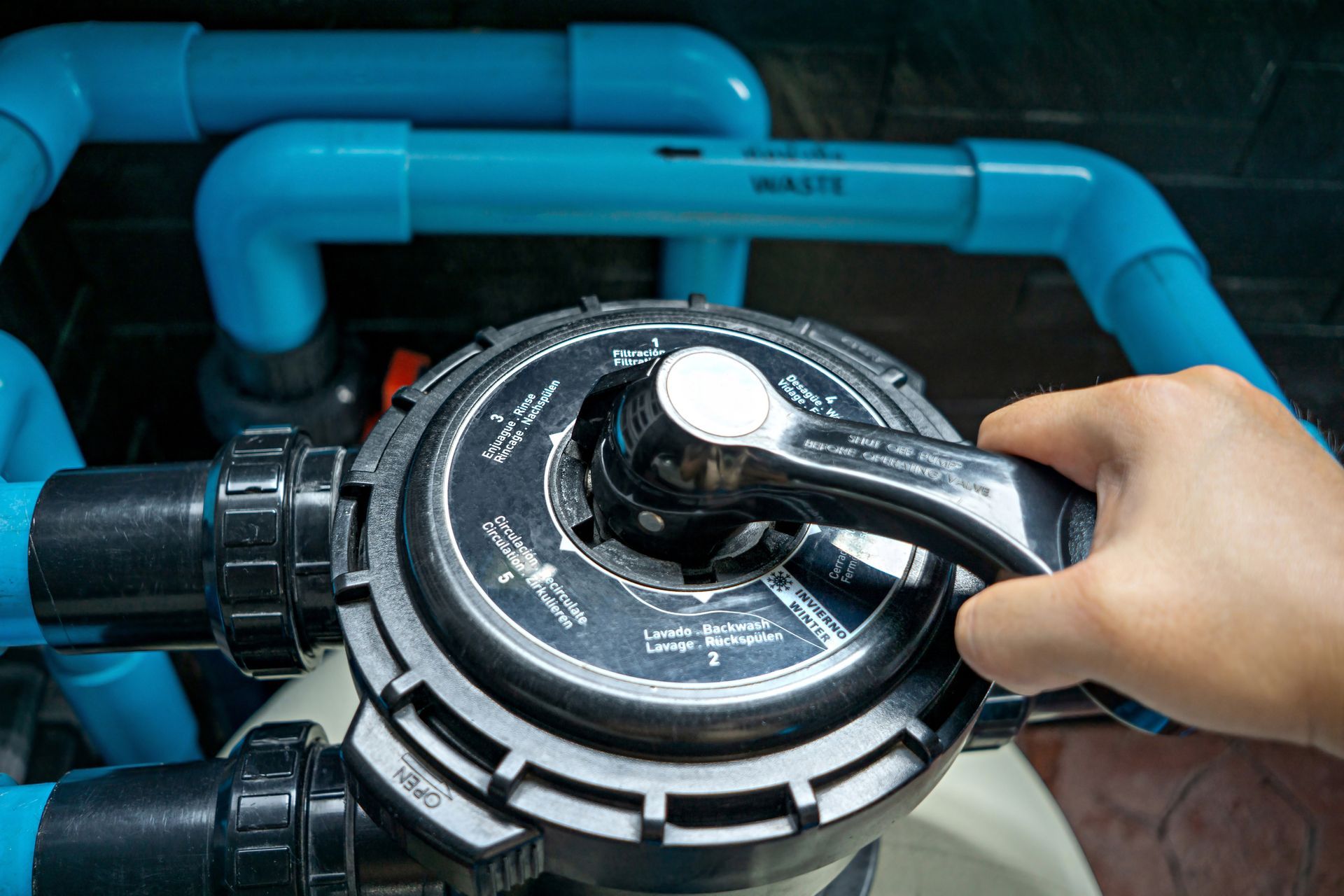
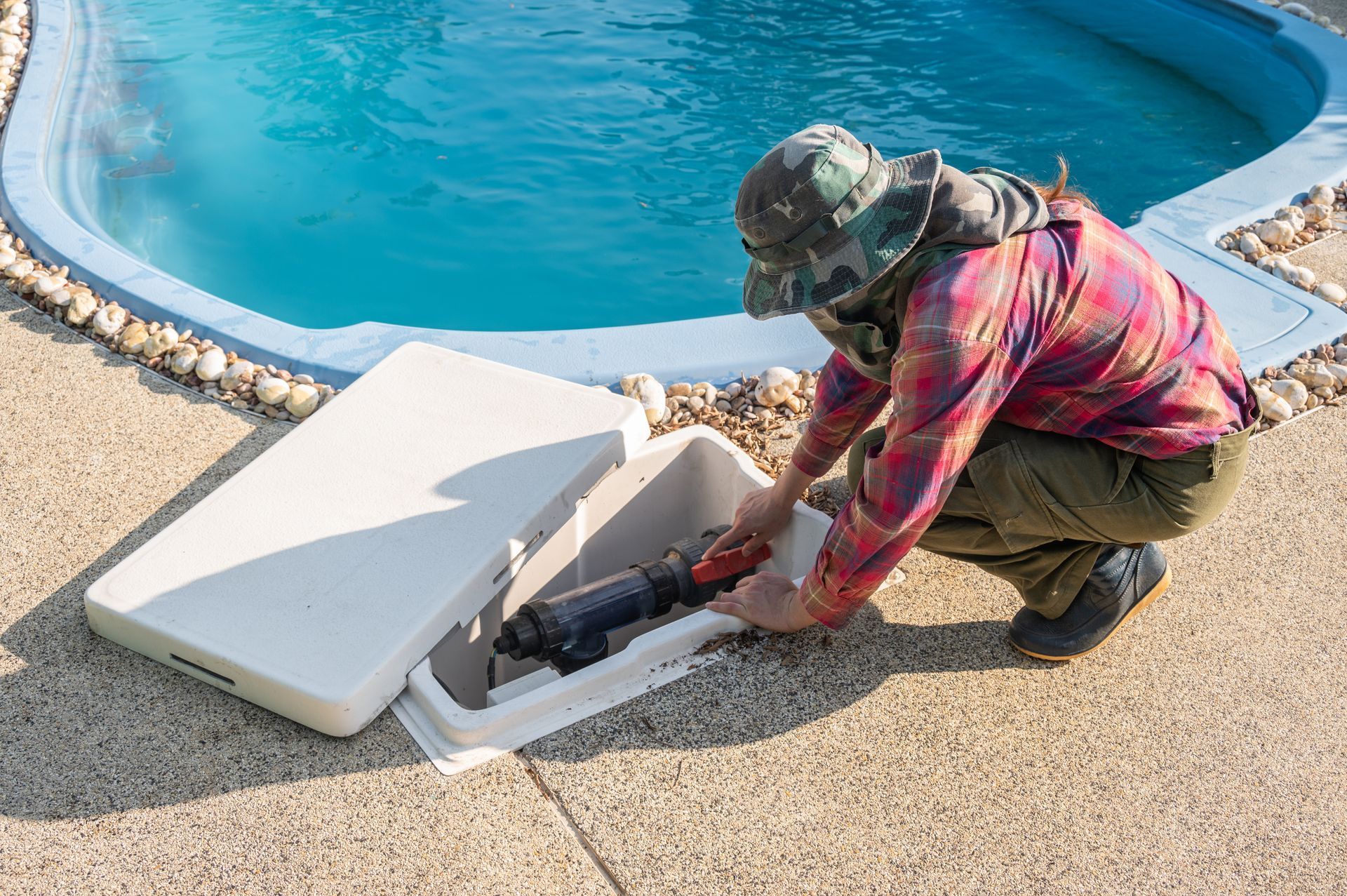
The piping system majorly affects the pump's condition. The flow rate in the pipes determines the ease with which the water pump pushes water through the system. Some issues concerning the flow rate include worn-out valves, blocked pipes and leakages. Therefore, consistently monitor the pipes and occasionally replace different components when you suspect damages.
A plumber or technician might cost less than the amount you would need to replace crucial pump components. For example, instant valve closure causes pressure build-up, which damages the pump. In addition, the turbulent flow caused by interference in the pipe can lead to a build-up of pressure that could damage the pump and other components.
Proper
maintenance of your pool ensures its longevity and reduces repair costs. At
Shenton Pumps , we provide pool pump solutions and recommend different ways to take care of your pump.
Contact us today.