Why Does Your Pool Have Bubbles? 2 Possible Reasons
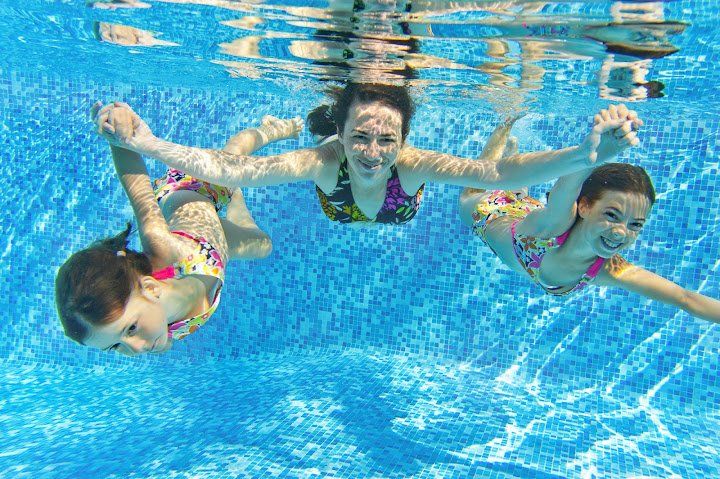
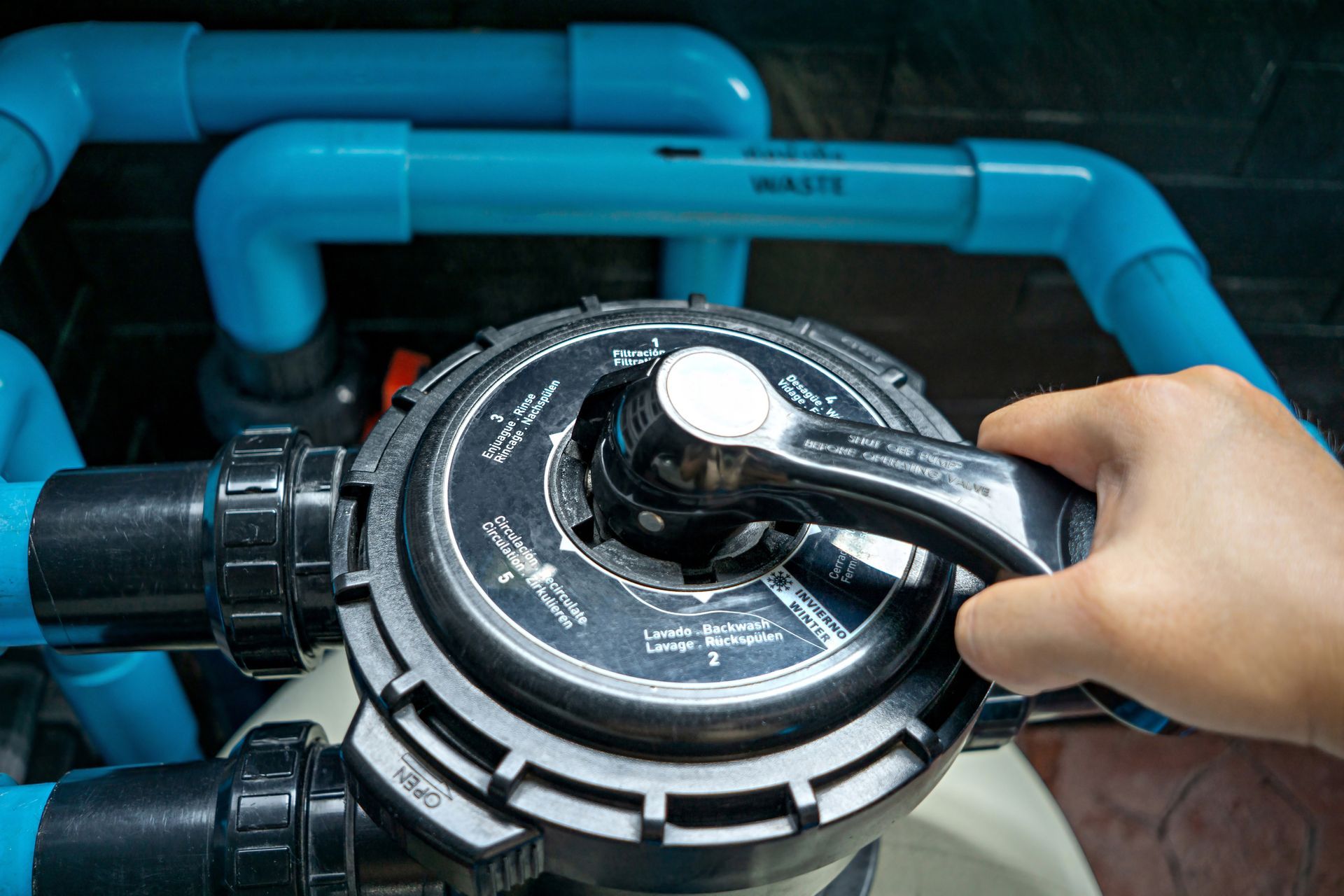
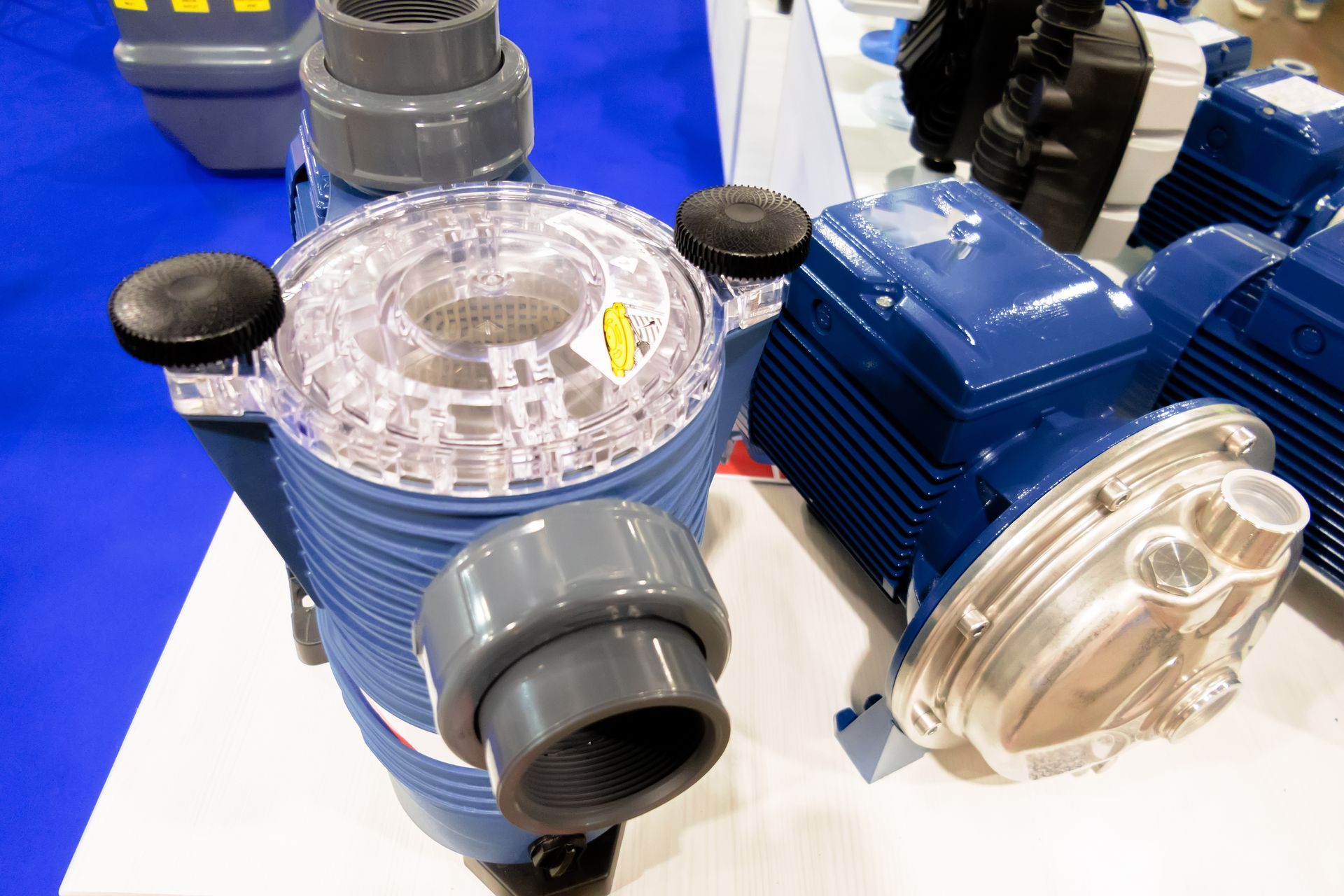
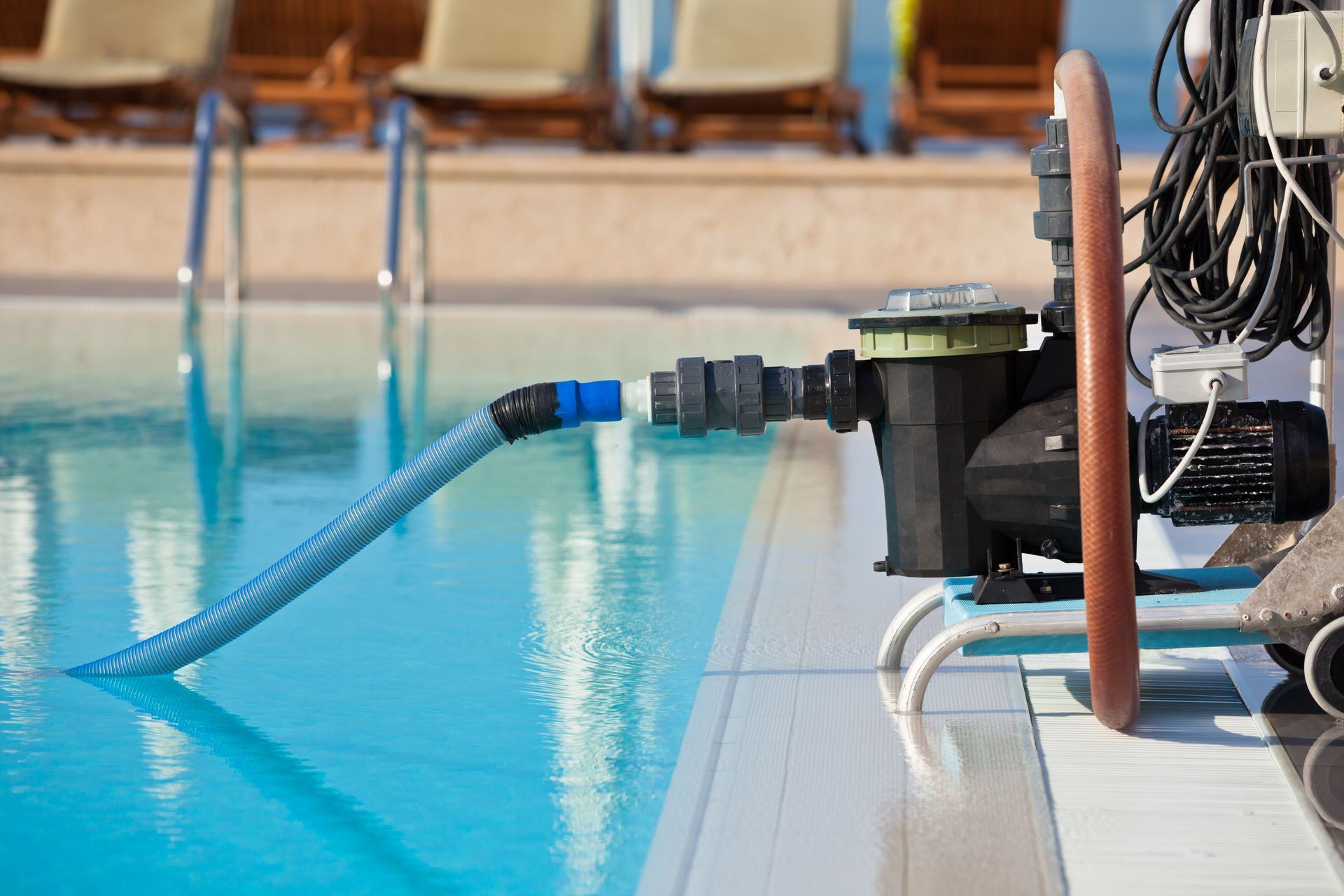
Bubbles in your pool are a sign that your pump is sucking air. The purpose of pool pumps is to circulate water, but if the system is faulty, the pump can start to suck in air instead. When your pump sucks air, the system loses its efficiency. As a result, the pump may overheat in an attempt to do its job. This heat compromises the safety of every other component in the pool.
A range of reasons may cause your pool pump to suck in air. Discover some of those reasons and what you should do.
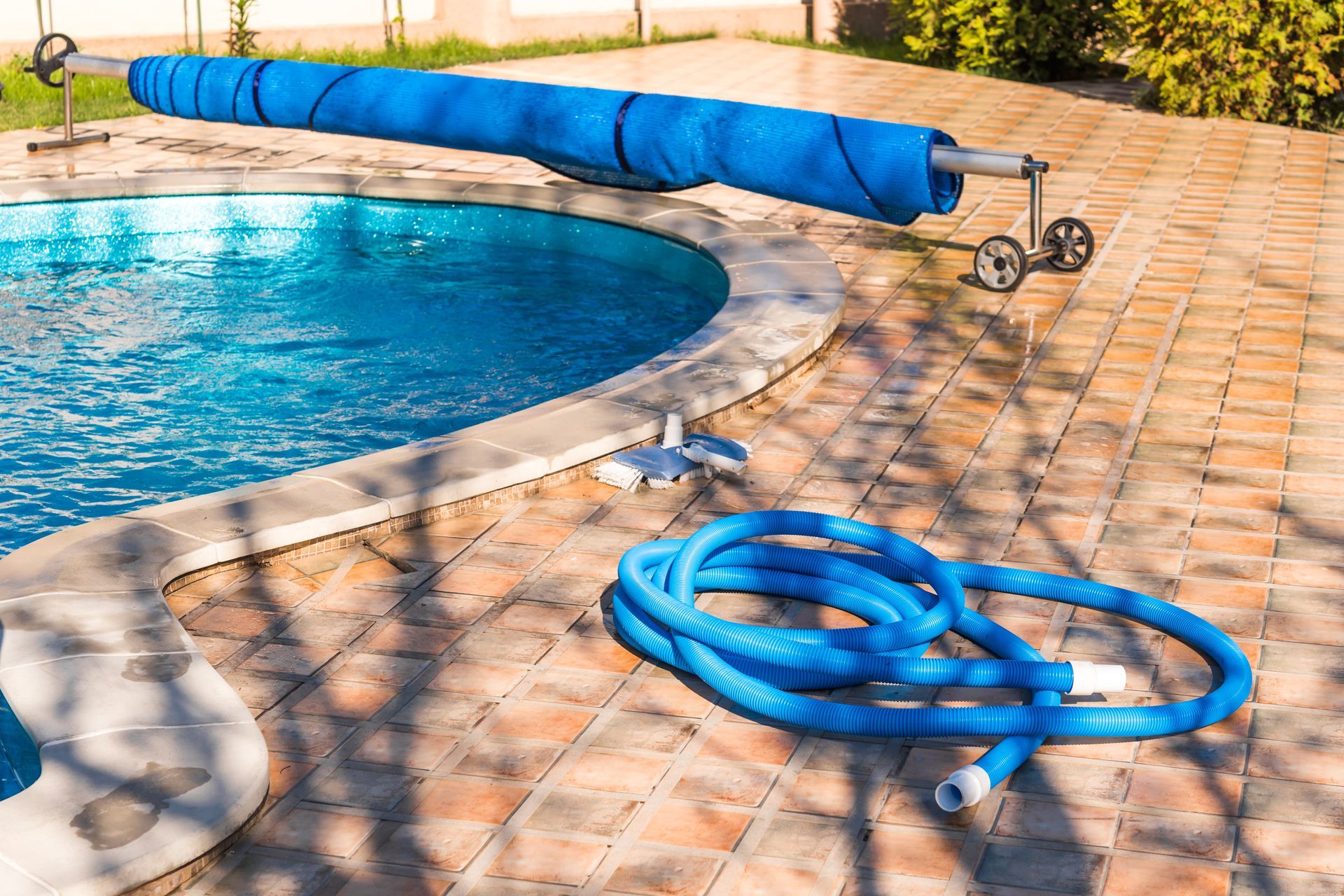
The pool cover is installed poorly
Perhaps you or your contractor did not do a great job with pool cover installation. If the pool cover is too tight, it can create a suction that pulls air into the pump. In the same way, if the cover is too loose, the cover leaves some space for air to get into the pool. But, again, the problem is common in-ground pools since the cover is designed to fit snugly.
A few aspects can make the pool cover too tight or too loose.
The pool cover is new
New covers feature thick material and haven't had a chance to stretch out yet. Therefore, if the cover feels too tight, give the cover a few weeks to loosen up and then try. If the bubbles don't disappear afterward, you can rule out the cover as the cause.
The pool cover is old
As the pool cover ages, it may start to shrink and lose shape. In return, the lid will not cover your pool adequately, or you may have to overstretch the lid to meet your expectations. In such a scenario, the best option is to replace the cover.
The pool cover is the wrong size
If the pool cover is too small or too large, it can cause problems. Make sure that you have the correct size cover for your pool. Additionally, make sure you install the cover according to the manufacturer's instructions.
Consult an expert to help you determine the right lid to cover your pump adequately and how to install the cover to avoid air suction issues.
The pool pump is leaky
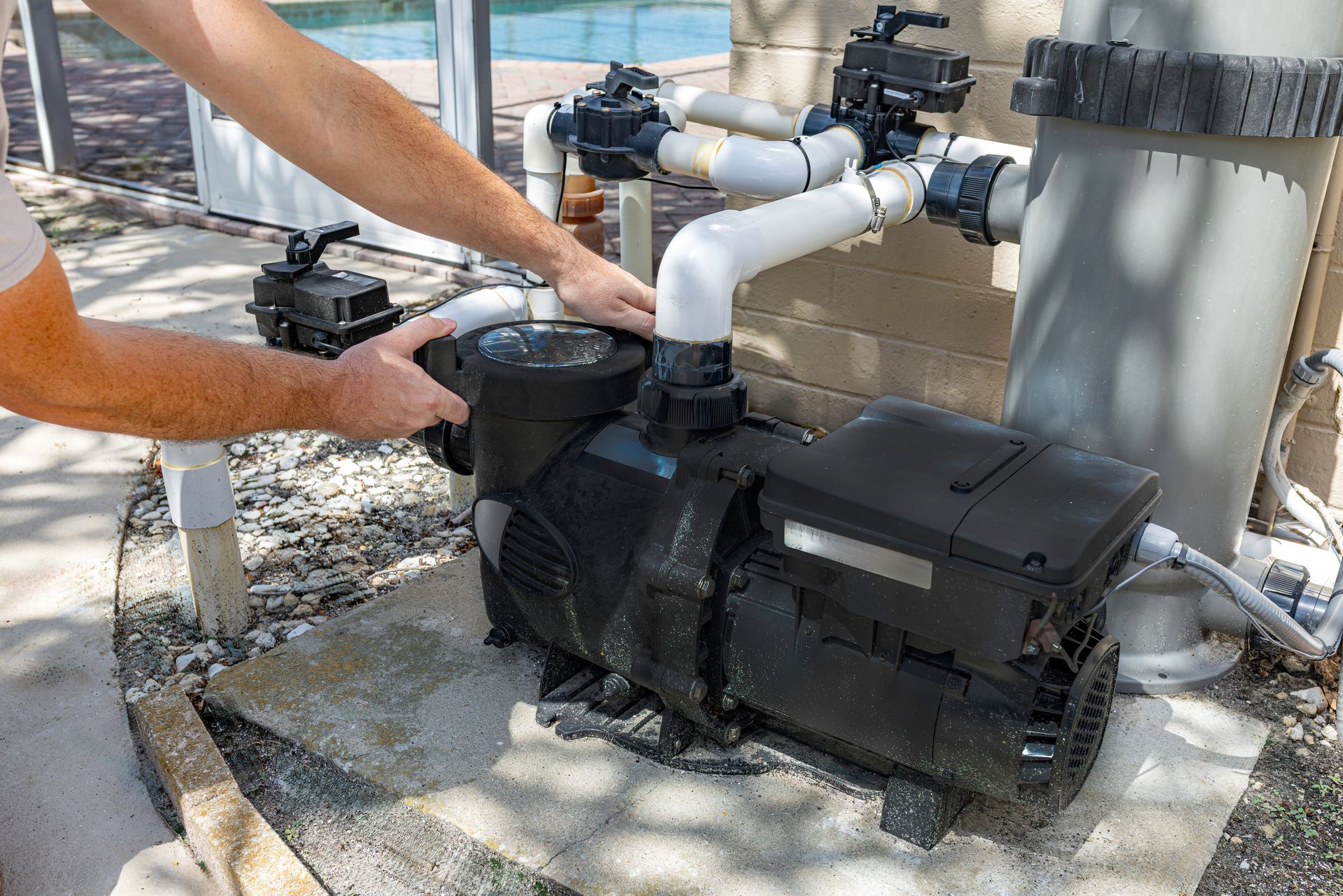
A leaky pump creates room for air to seep into the pump. Similarly, the pump leaks create a vacuum that sucks air into the system. The issue is most likely to happen if there's a leak in the pump itself or in the pipes that lead to and from the pump.
Besides sucking air, other signs that your pool pump is leaky include:
Odd noises from the pump
Leaks in the pump allow water to get into the system. Consequently, the air may cause the pump to make odd noises during operation.
Low water pressure
If the water pressure in the pool reduces drastically, that may signify a faulty pump. A leaky pump cannot generate adequate pressure to move water properly, which results in a lower water flow.
High energy bills
The pool pump draws a lot of power to distribute water. However, if the system has leaks, the pump has to work harder to move the same amount of water, which results in higher energy bills.
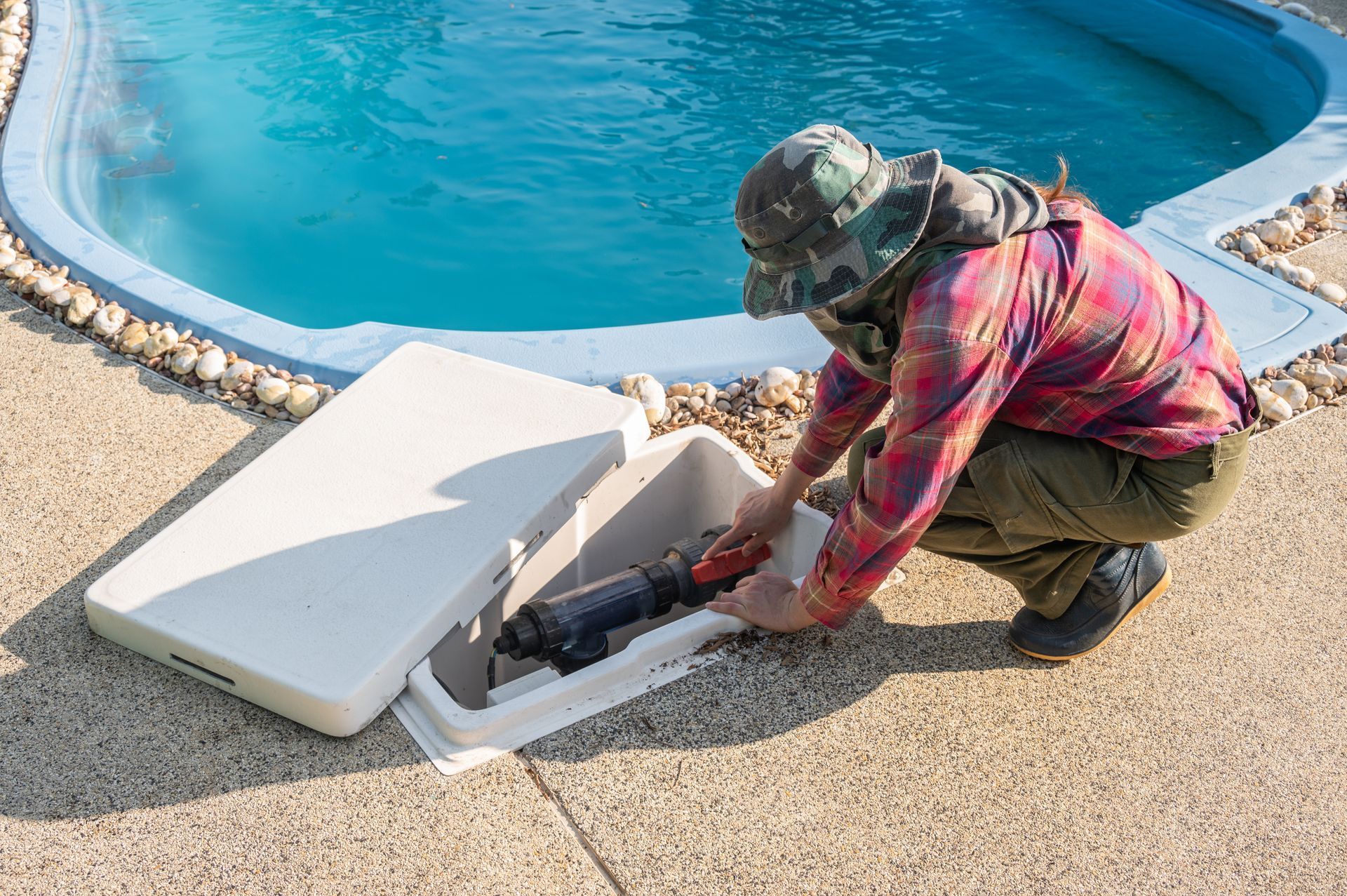
Contact an expert to inspect the pool pump and identify if the system has leaks. The professional has the necessary tools to detect the tiniest leaks and repair them on time.
Air suction in the pools is a common problem that, if not rectified on time, will compromise the efficiency of your pump and the safety of your pool. Therefore, contact us at Shenton Pumps immediately if you notice bubbles in the pool or the pump starts to overheat. Our experienced technicians will look into the pump for signs of air leaks and recommend the best solution.