How to Prime a Pool Pump
A pool pump plays a vital role in keeping your swimming pool clean, clear, and properly circulated. However, if air enters the system or the pump loses its prime, water may stop flowing effectively, reducing filtration performance and potentially damaging the pump.
Knowing how to prime a pool pump is an essential maintenance skill for any pool owner. Whether you've recently cleaned your pump basket, opened the filtration system, or experienced a drop in water level, correctly priming your pool pump can help restore normal operation and protect your equipment.
What Does It Mean to Prime a Pool Pump?
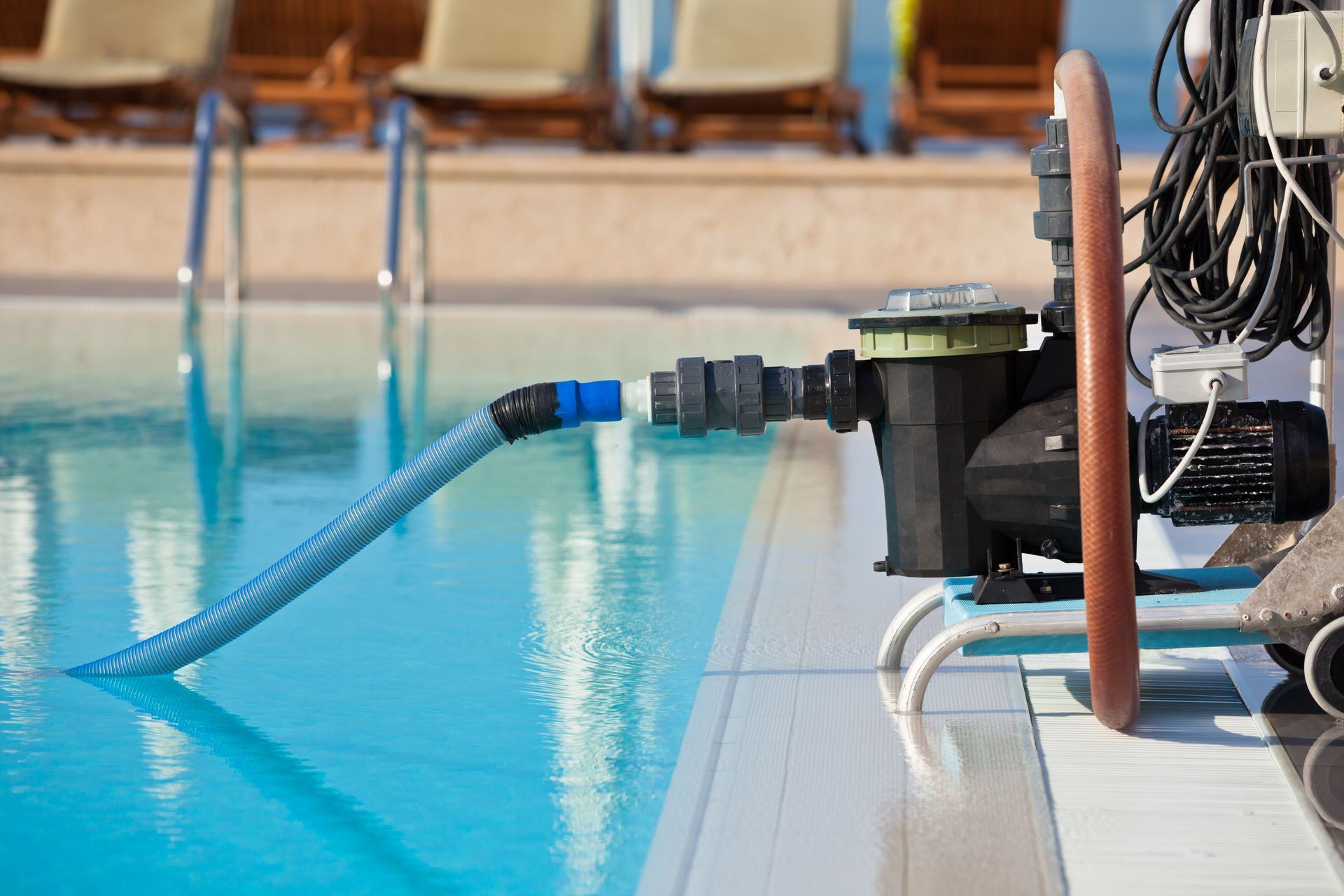
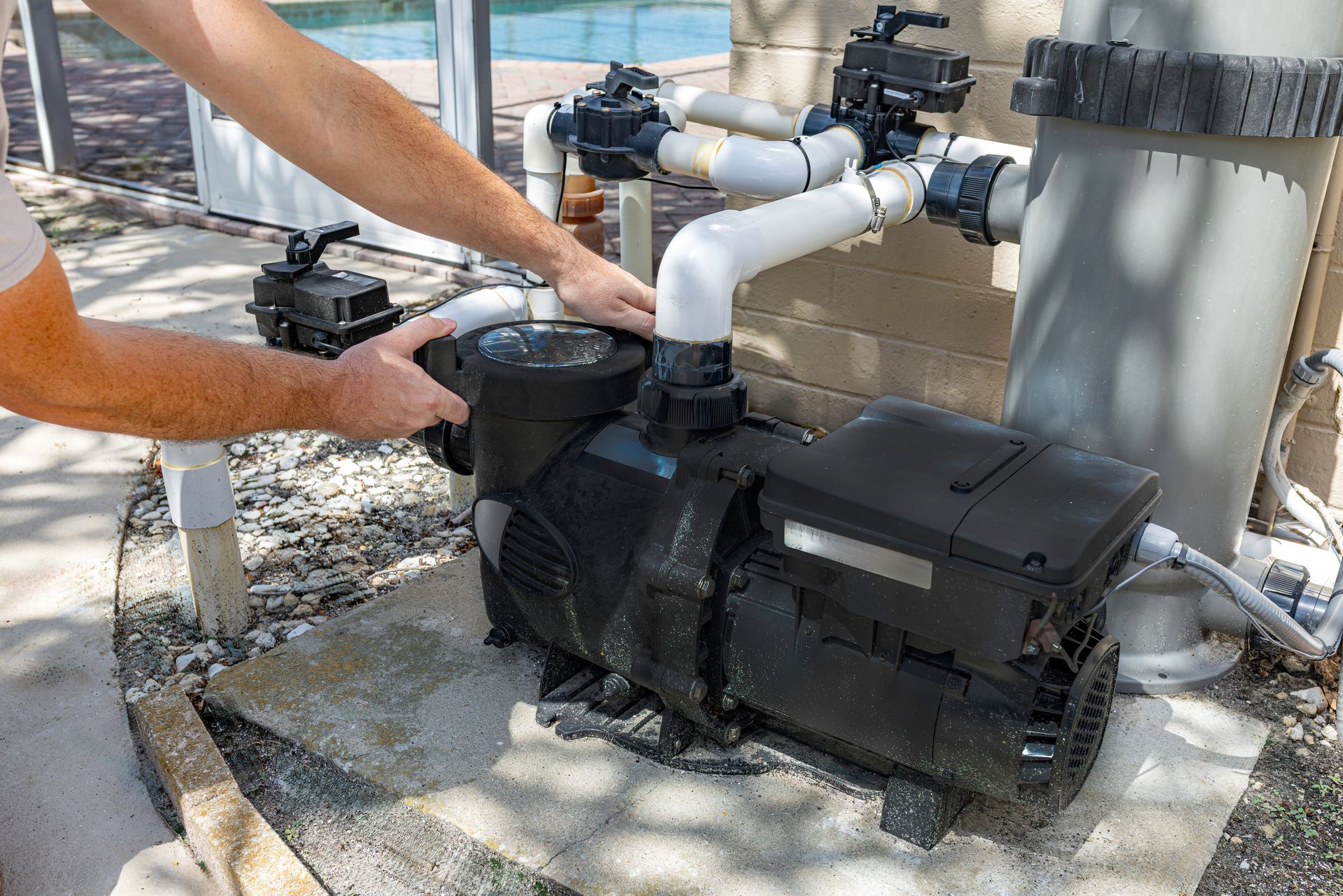
Priming a pool pump involves removing air from the pump and suction lines so water can flow properly through the filtration system.
Pool pumps are designed to move water, not air. If air becomes trapped inside the pump housing, the pump may struggle to circulate water, leading to poor performance and potential overheating.
A properly primed pump will be filled with water and able to maintain consistent circulation throughout the pool system.
Why Does a Pool Pump Lose Prime?
Several factors can cause a pool pump to lose its prime including:
- Low Pool Water Levels - If the water level drops below the skimmer opening, air can enter the suction line and interrupt water flow.
- Empty Pump Basket
- Opening the pump lid to clean the basket allows air into the system, often requiring the pump to be reprimed.
- Air Leaks - Damaged O-rings, loose fittings, cracked pipes, or worn seals can allow air to enter the system.
- Blocked Skimmer or Pump - Basket Debris restrictions can reduce water flow and contribute to priming issues.
- Recently Serviced Equipment - After maintenance or equipment replacement, the pump may need to be manually primed before normal operation resumes.
Signs Your Pool Pump Needs Priming
Common symptoms include:
- Little or no water flow from return jets
- Air bubbles visible in the pump basket
- Air bubbles returning to the pool
- Unusual pump noise
- Pump running without moving water
- Reduced filtration performance
If you notice these signs, it's important to address the issue promptly to avoid unnecessary wear on the pump.
How to Prime a Pool Pump: Step-by-Step
Step 1: Turn Off the Pump
Always switch off power to the pump before performing any maintenance.
This helps prevent damage and ensures safe operation while working on the system.
Step 2: Check the Pool Water Level
Ensure the water level is approximately halfway up the skimmer opening.
If necessary, add water before continuing.
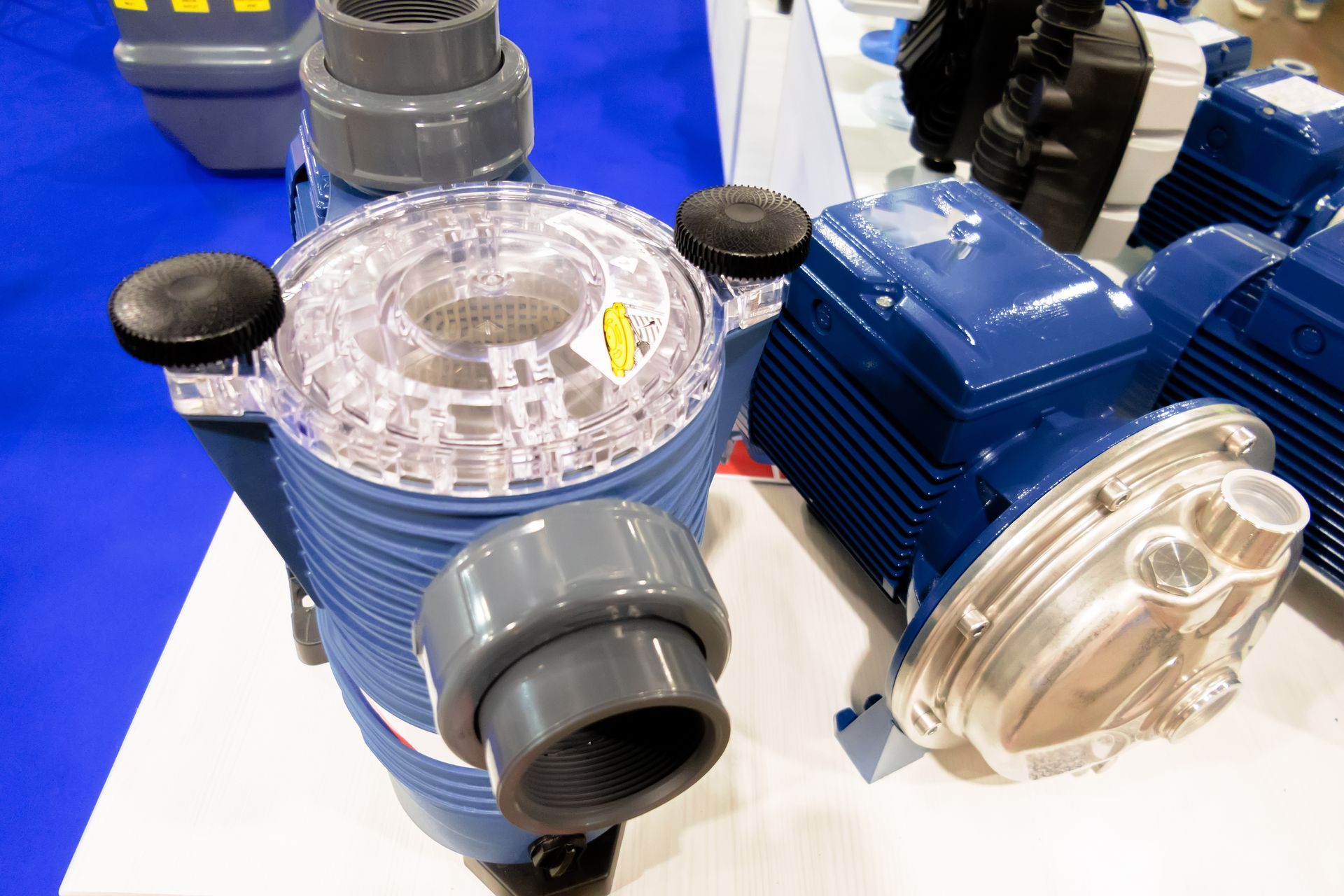
Step 3: Empty and Clean the Pump Basket
Remove the pump lid and inspect the basket.
Clear away any leaves, dirt, or debris that may restrict water flow.
Step 4: Fill the Pump Housing with Water
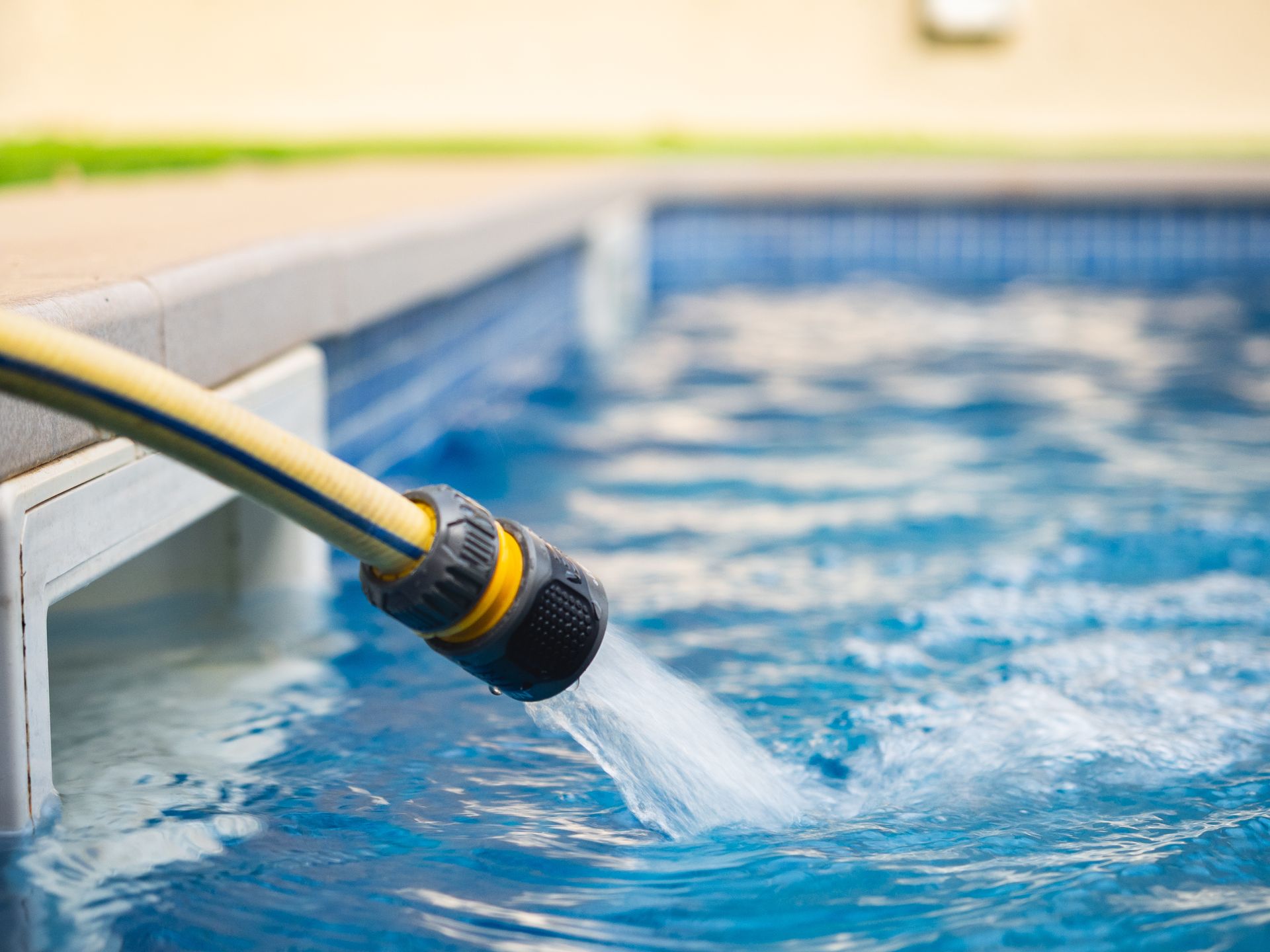
Using a garden hose or bucket, fill the pump basket housing completely with water.
This is one of the most important steps, as it removes much of the trapped air from the pump.
Continue filling until the housing remains full.
Step 5: Inspect the Lid O-Ring
Check the pump lid O-ring for:
- Cracks
- Wear
- Dirt buildup
- Poor seating
A damaged O-ring can allow air to enter the system and prevent proper priming.
Clean and lubricate the O-ring if recommended by the manufacturer.
Step 6: Replace and Secure the Lid
Reinstall the lid carefully and ensure it is tightened correctly according to manufacturer specifications.
An improperly sealed lid is a common cause of ongoing priming problems.
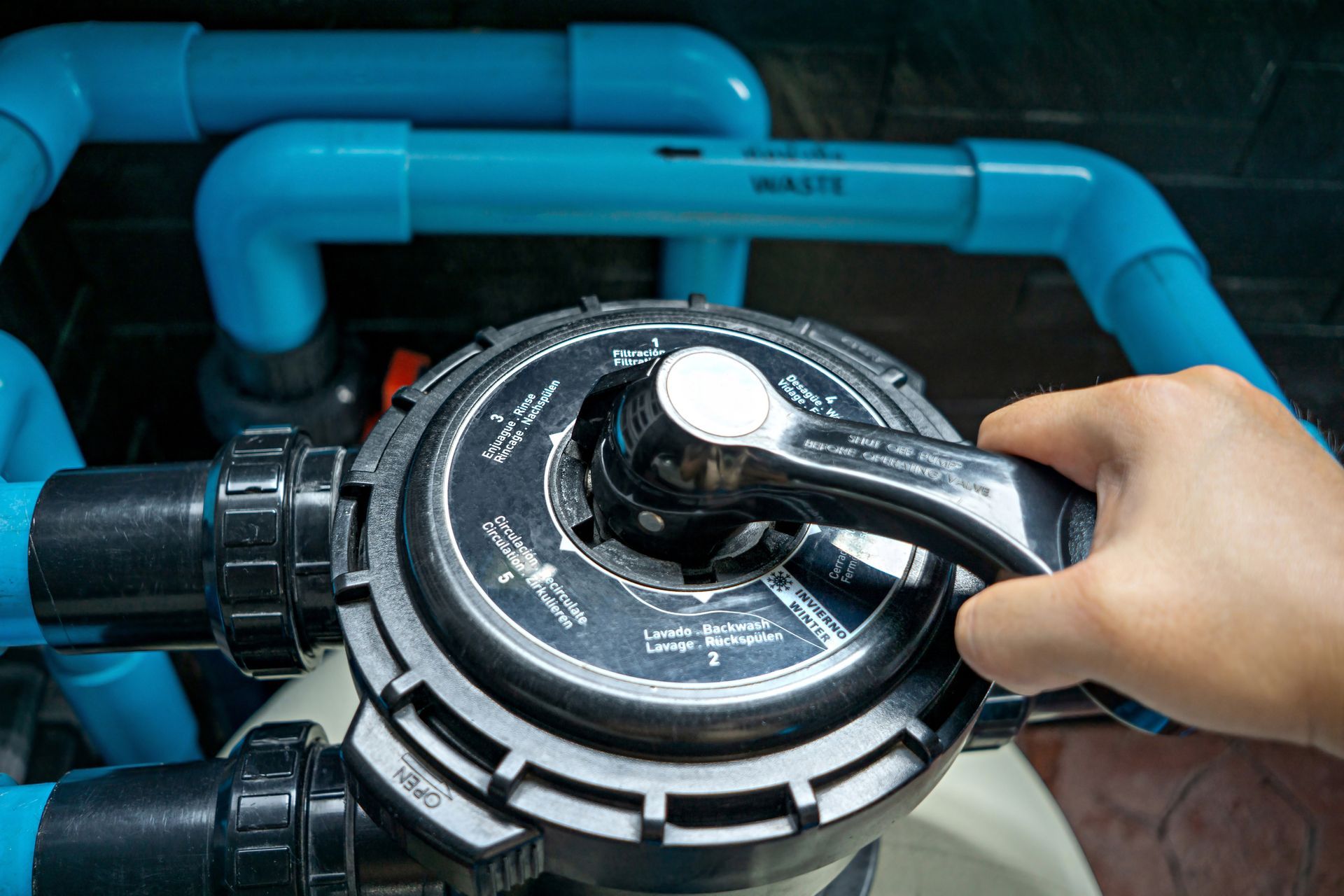
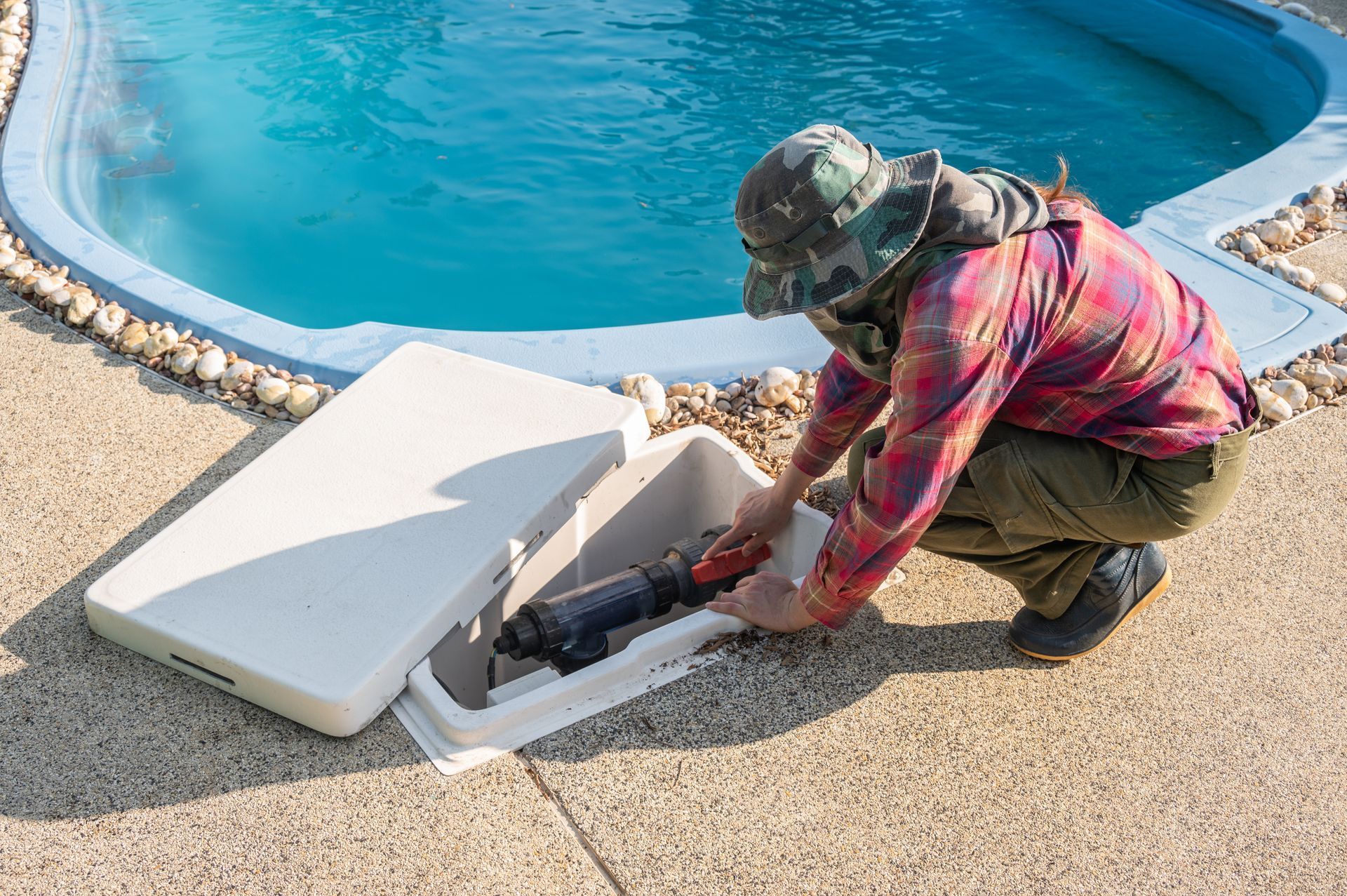
Step 7: Open Valves
Ensure all relevant suction and return valves are open.
Closed valves can restrict water movement and prevent the pump from establishing proper flow.
Step 8: Turn the Pump Back On
Switch the power back on and observe the pump.
Within a few minutes, water should begin flowing steadily through the system.
You may notice some air bubbles initially as remaining air is expelled from the plumbing.
Step 9: Monitor Water Flow
Check that:
- The pump basket fills with water
- Return jets have strong flow
- Air bubbles gradually disappear
- The filter pressure returns to normal
Once water circulation stabilises, the pump has successfully primed.
What If the Pump Still Won't Prime?
If the pump fails to establish water flow after several attempts, there may be an underlying issue.
Possible causes include:
- Suction Line Air Leaks
- Small leaks on the suction side can continually draw air into the system.
- Blocked Plumbing
- Obstructions in skimmer lines or suction pipes can restrict water flow.
- Damaged Pump Components - Worn impellers, seals, or internal components may affect the pump's ability to generate suction.
- Faulty Valves - Malfunctioning valves can interrupt water movement through the system.
In these situations, professional inspection may be required.
How to Prevent Future Priming Problems
Regular
pool maintenance can significantly reduce the risk of losing prime:
- Maintain Proper Water Levels - Check pool water levels regularly, particularly during hot weather or periods of heavy use.
- Clean Baskets Frequently - Keep skimmer and pump baskets free from debris to ensure unrestricted water flow.
- Inspect Seals and O-Rings - Replace worn seals before they develop into larger air leak issues.
- Schedule Equipment Maintenance - Routine inspections help identify problems before they affect pump performance.
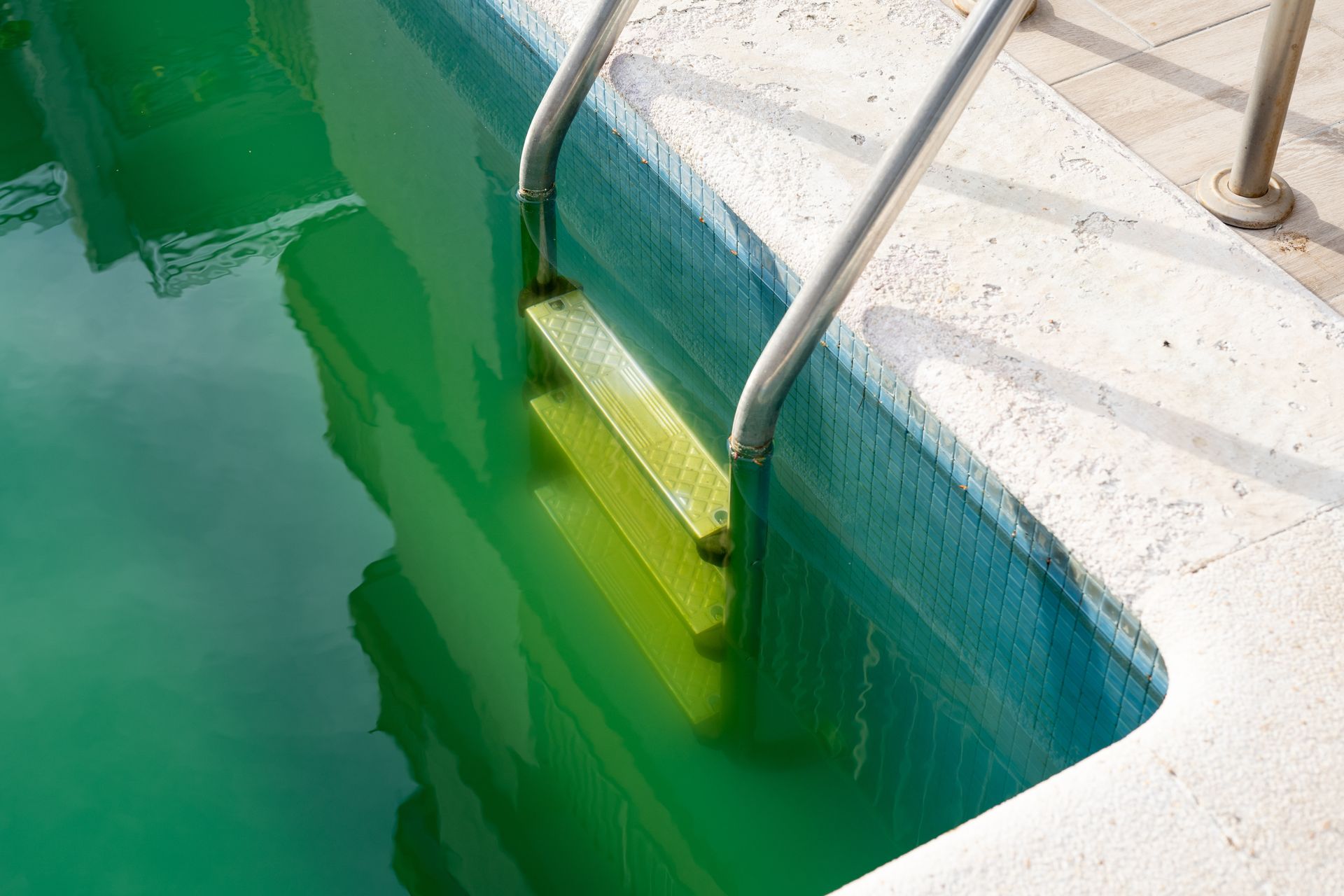
Why a Healthy Pool Pump Matters
Your pool pump is the heart of your circulation system. Proper water movement helps:
- Improve filtration
- Distribute chemicals evenly
- Prevent algae growth
- Maintain water clarity
- Protect pool equipment
Ensuring your pump remains properly primed supports efficient operation and helps extend the life of your entire pool system.
Need Help With Your Pool Pump?
If your pool pump repeatedly loses prime, struggles to circulate water, or may need repair or replacement, professional advice can save time and prevent costly damage.
The team at Shenton Pumps has extensive experience with pool pumps. Whether you need troubleshooting assistance, maintenance advice, or a replacement pump, Shenton Pumps can help you find the right solution for your pool.
Contact Shenton Pumps today for expert advice and reliable pool pump solutions tailored to your needs.