How to Increase pH Level in a Pool
Maintaining the correct pH level is essential for keeping your pool water safe, comfortable, and easy to manage. When pH levels drop too low, pool water can become acidic, potentially causing eye irritation, equipment corrosion, and damage to pool surfaces.
If you're wondering how to increase the pH level in your pool, the good news is that it is usually a straightforward process. Understanding the causes of low pH and knowing how to correct it can help you maintain crystal-clear water and protect your pool equipment for years to come.
What Is Pool pH?
pH measures how acidic or alkaline your pool water is on a scale from 0 to 14.
For most swimming pools, the recommended pH range is between 7.2 and 7.6. This range helps ensure swimmer comfort, effective sanitiser performance, and protection for your pool equipment.
When pH falls below 7.2, the water becomes increasingly acidic and may begin causing issues throughout your pool system.
Why Is pH Important in a Swimming Pool?
Balanced pH plays a critical role in overall pool health.
Proper pH levels help:
- Improve swimmer comfort
- Maximise chlorine effectiveness
- Prevent corrosion of pool equipment
- Protect pool surfaces and liners
- Reduce staining and scaling
- Improve water clarity
Ignoring low pH can lead to costly repairs and ongoing water quality issues.
Common Causes of Low Pool pH
Several factors can contribute to a drop in pH levels.
- Heavy Rainfall - Rainwater is naturally acidic and can dilute pool chemistry, causing pH levels to decrease.
- Frequent Pool Use
- High swimmer loads can introduce contaminants that affect water balance and lower pH over time.
- Chemical Additions
- Some pool chemicals, including certain chlorine products and acid-based treatments, can gradually reduce pH levels.
- Organic Debris
- Leaves, dirt, and other organic matter breaking down in the water can influence overall water chemistry.
- Saltwater Pool Systems - Some salt chlorinators may contribute to pH fluctuations depending on the pool's setup and operating conditions.
How to Test Your Pool's pH Level
Before making any adjustments, it's important to test the water accurately.
You can use:
- Pool test strips
- Liquid testing kits
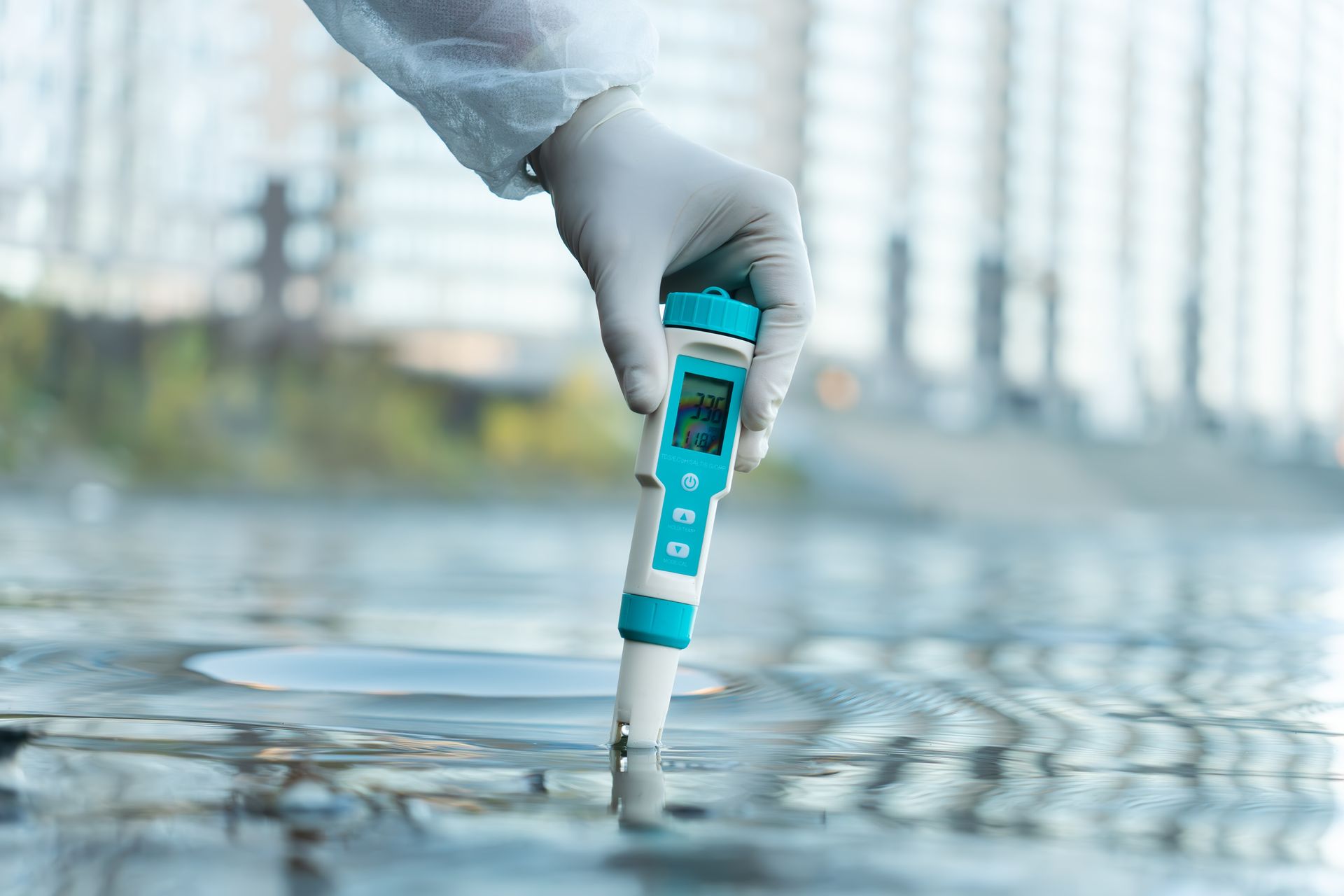
- Digital pool water testers
- Professional water testing services
For best results, test your pool water regularly, especially during warmer months when chemical demand tends to increase.
How to Increase pH Levels in Your Pool
If your pH level falls below the recommended range, you will need to raise it gradually.
Use Sodium Carbonate (Soda Ash)
Sodium carbonate, commonly known as soda ash, is one of the most effective products for increasing pool pH.
To use it:
- Test the pool water.
- Calculate the amount required based on your pool volume.
- Follow the manufacturer's instructions.
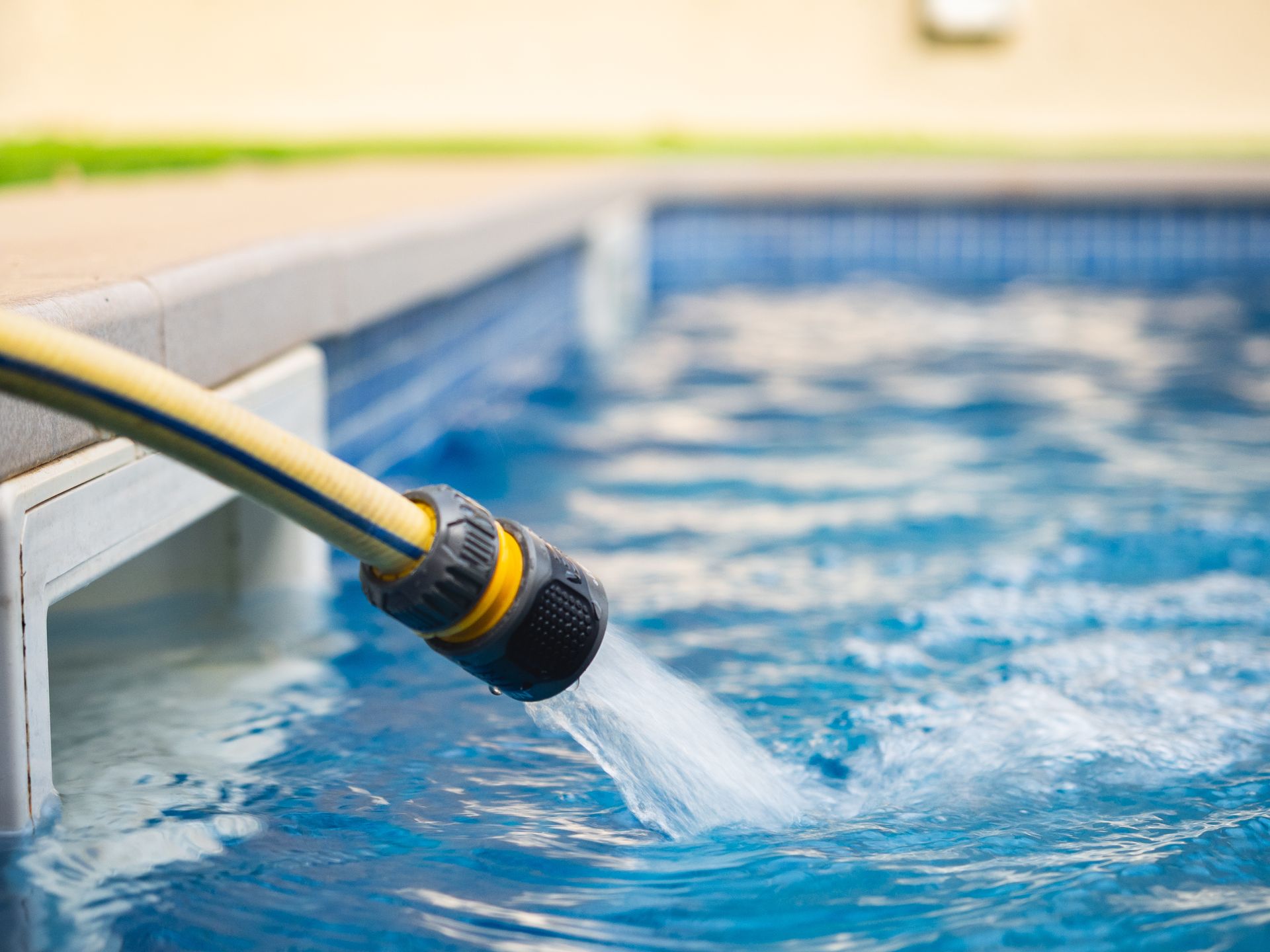
- Add the product evenly around the pool.
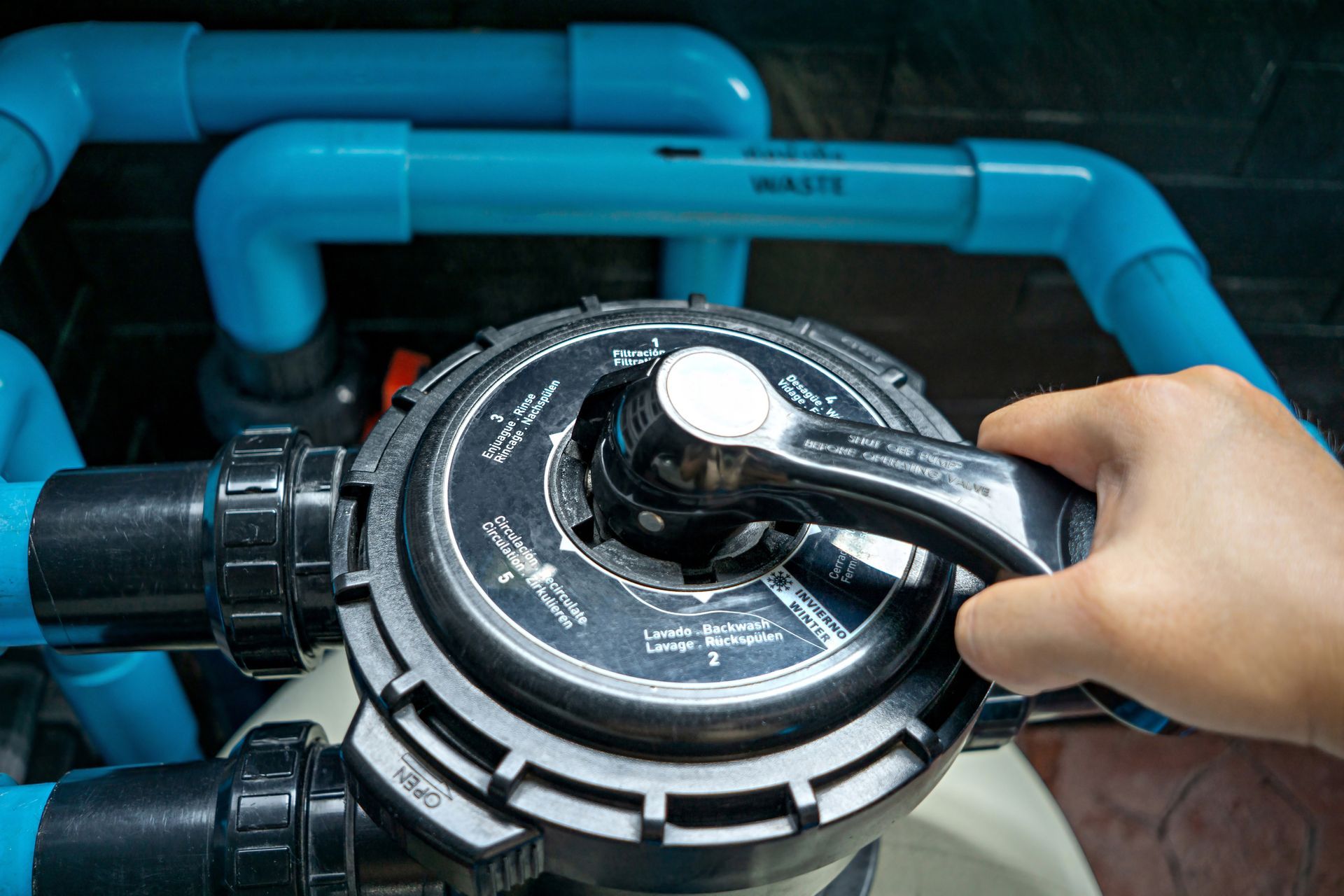
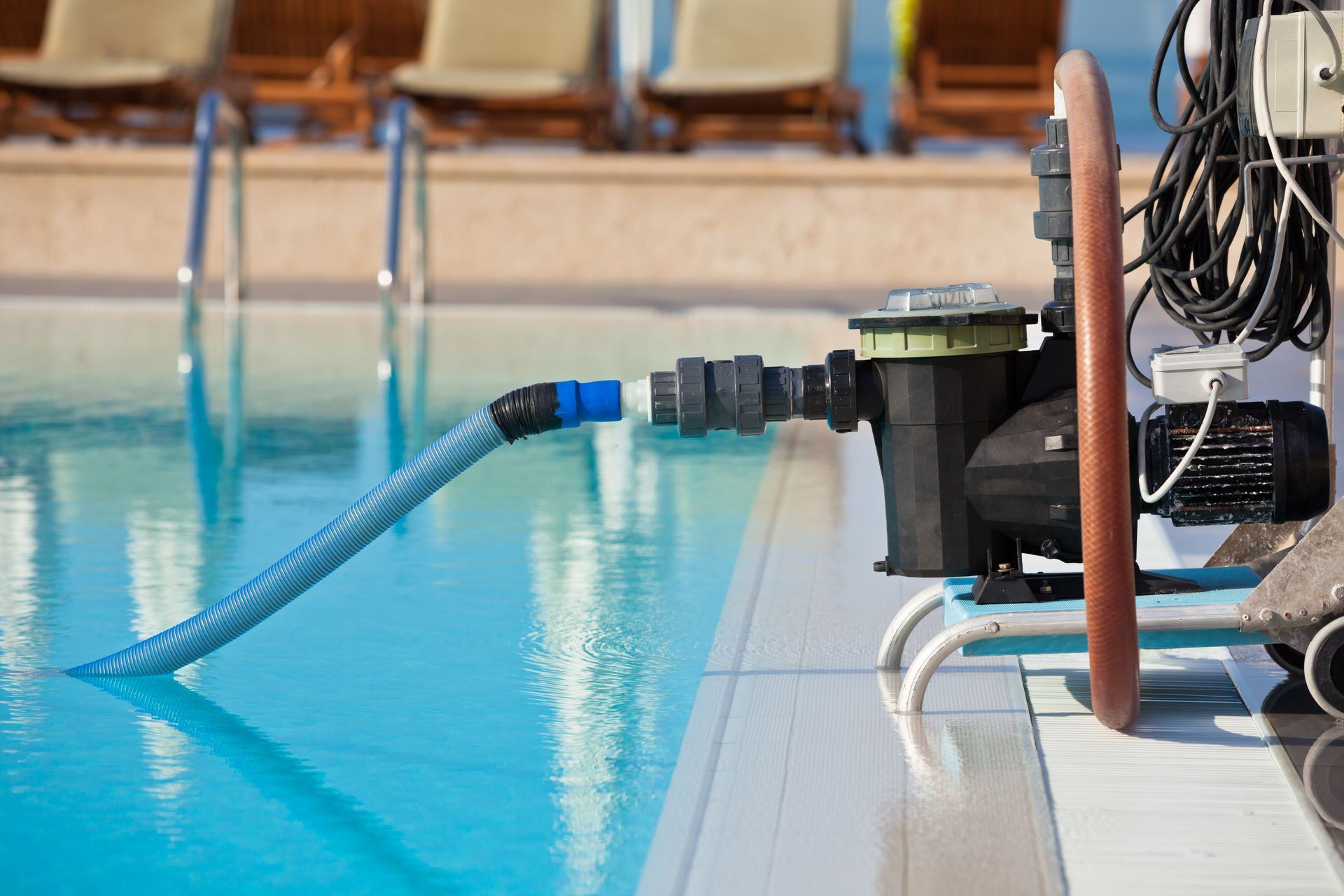
- Allow the pump and filtration system to circulate the water.
- Retest the water after several hours.
Adding soda ash gradually helps prevent overcorrection.
Improve Water Circulation
Proper circulation helps distribute chemicals evenly throughout the pool.
Ensure your:
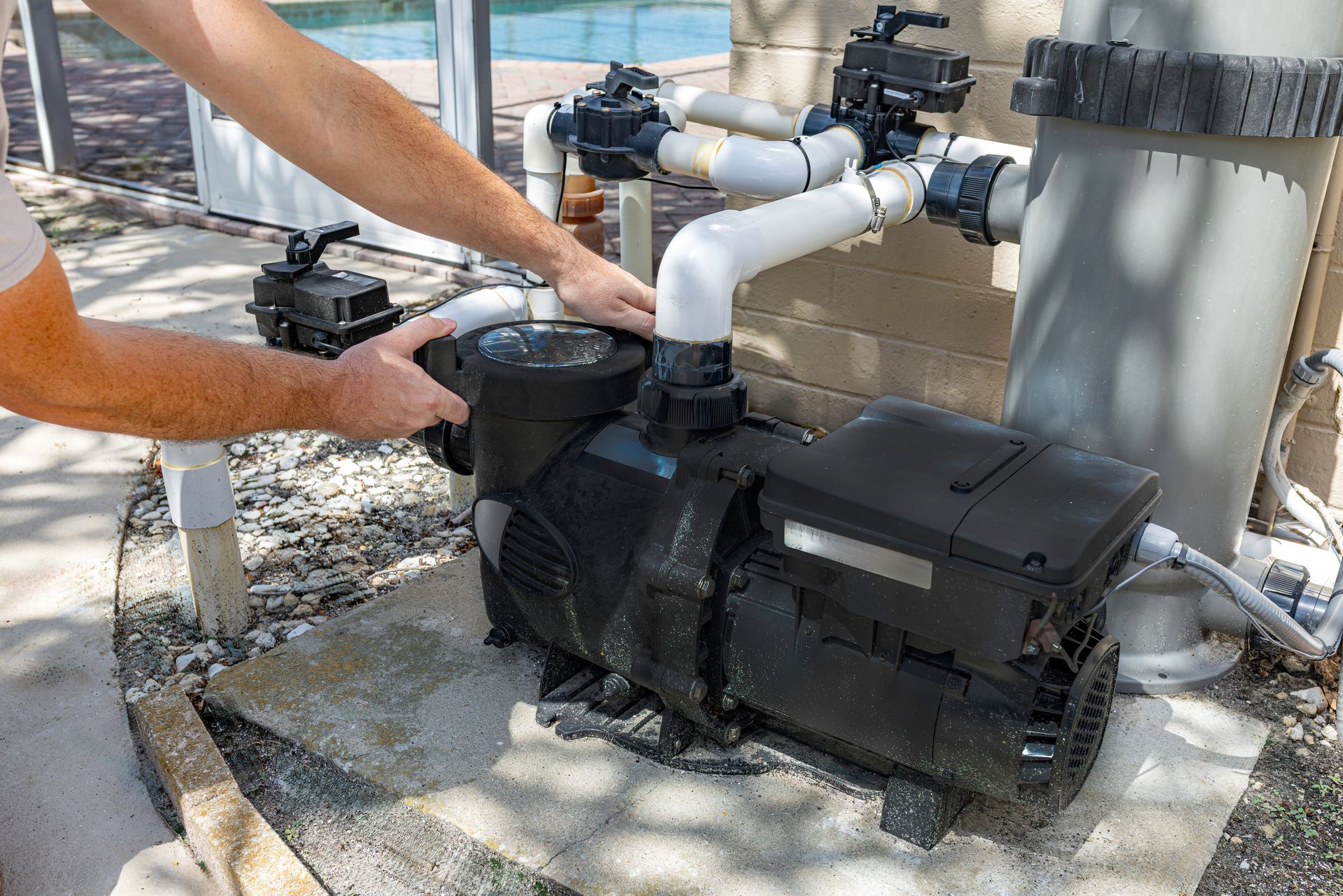
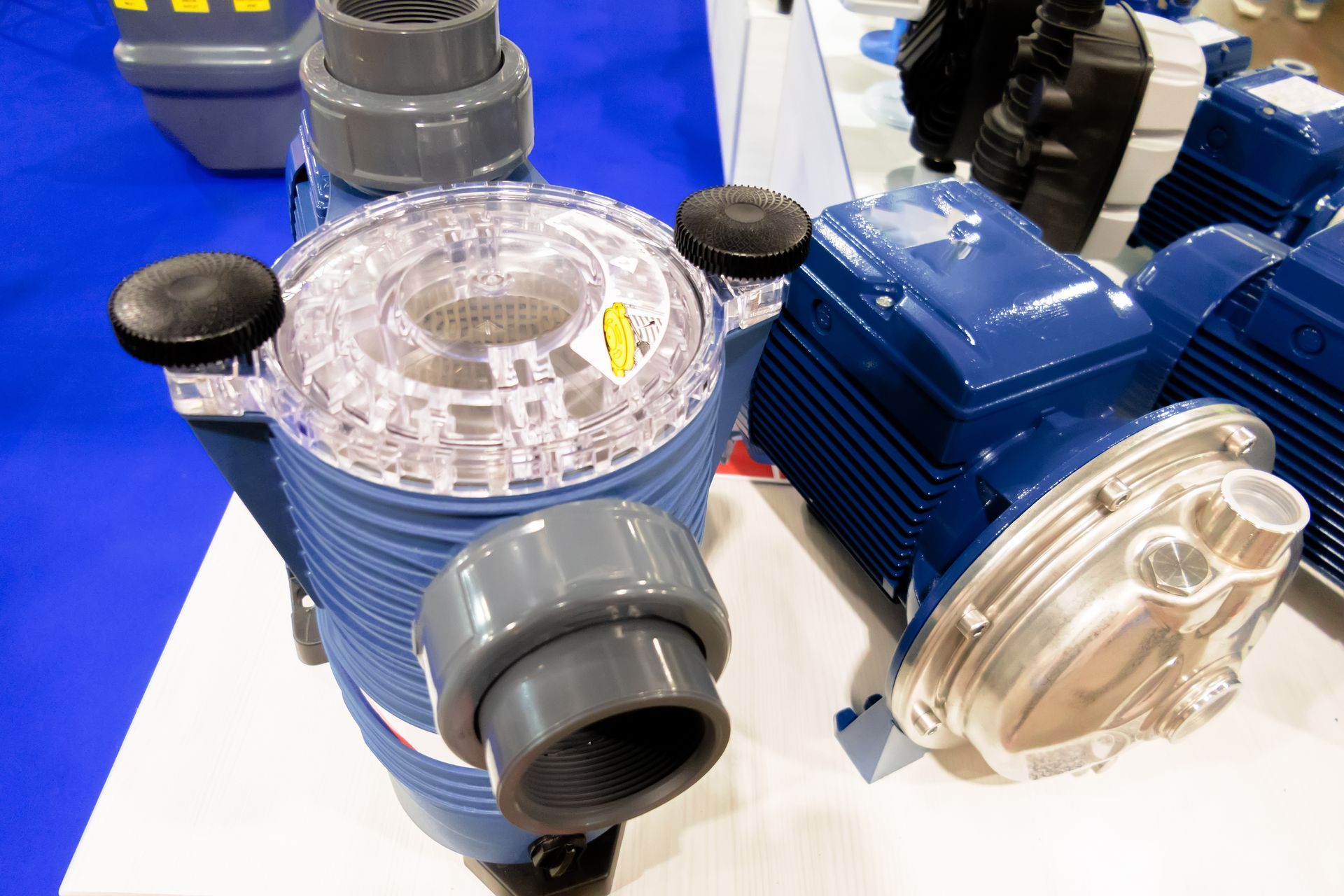
- Pool pump is operating correctly
- Filter is clean
- Skimmer baskets are clear
- Return jets are functioning efficiently
Good circulation supports more stable water chemistry.
Monitor Total Alkalinity
Total alkalinity acts as a buffer for pH levels.
The recommended total alkalinity range for most pools is between 80 and 120 ppm.
If alkalinity is too low, pH can fluctuate more easily. Addressing alkalinity issues may help stabilise your pH over the long term.
How Much Soda Ash Should You Add?
The exact amount depends on:
- Current pH level
- Desired pH level
- Pool volume
- Total alkalinity
Because every pool is different, it's important to follow product instructions carefully and make adjustments gradually rather than adding large amounts at once.
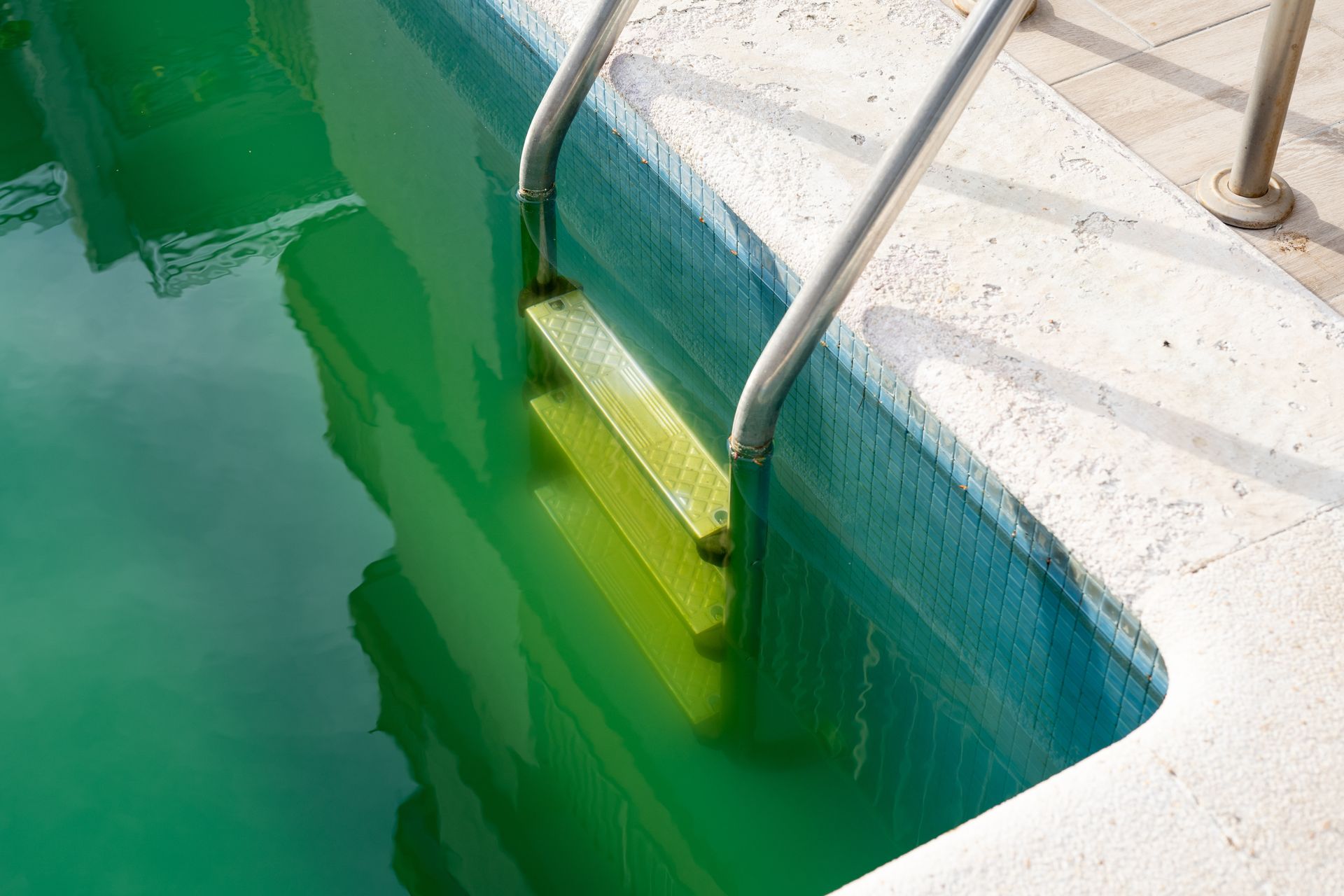
Signs Your Pool pH Is Too Low
Low pH levels can cause a range of noticeable problems, including:
- Eye and skin irritation
- Corrosion of metal components
- Etching of pool surfaces
- Cloudy water
- Reduced chlorine effectiveness
- Premature equipment wear
Addressing low pH early can help prevent these issues from becoming more serious.
Tips for Maintaining Balanced Pool pH
To keep your pool chemistry stable:
- Test water regularly
- Maintain proper alkalinity levels
- Remove debris promptly
- Run your filtration system as recommended
- Check chemical levels after heavy rain
- Follow manufacturer guidelines when adding chemicals
Routine maintenance is often the best way to avoid significant pH fluctuations.
Can Pool Equipment Affect Water Chemistry?
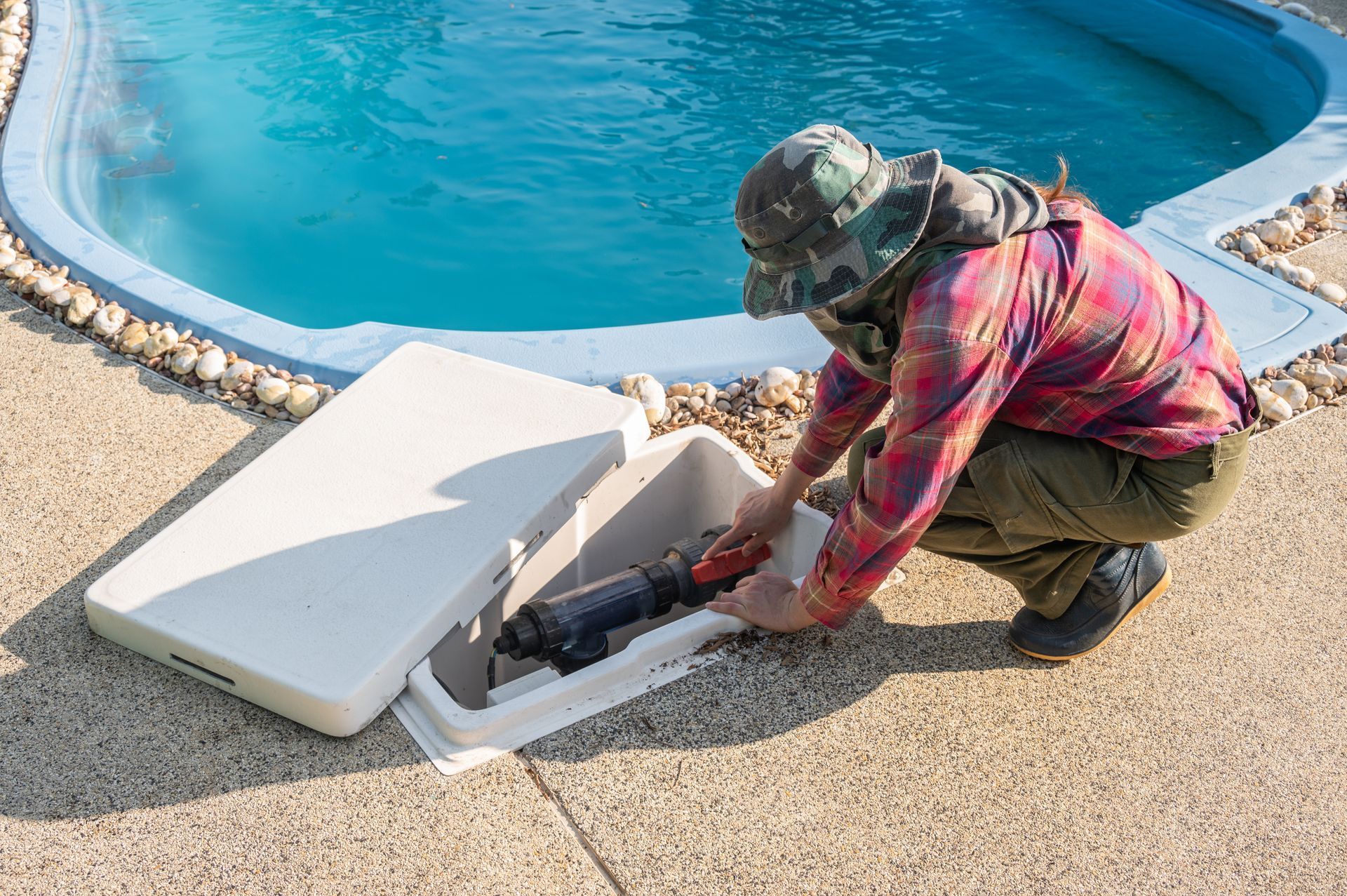
Yes. Your pool pump, filtration system, chlorinator, and other equipment all contribute to overall water balance.
Poor circulation, inadequate filtration, or ageing equipment can make it more difficult to maintain consistent chemical levels. Ensuring your pool equipment is operating efficiently helps support healthier water and more reliable chemical performance.
Need Help Maintaining Your Pool Water?
Maintaining the correct pH level is an important part of keeping your pool safe, comfortable, and enjoyable. By testing your water regularly and making adjustments when needed, you can prevent common problems such as corrosion, cloudy water, and ineffective sanitisation.
If you're experiencing ongoing water balance issues or need advice on
pool maintenance, the team at
Shenton Pumps can help. With extensive industry experience and a wide range of quality pool products, Shenton Pumps can provide expert guidance to help keep your pool operating at its best.
Contact Shenton Pumps today for professional advice and reliable pool solutions.