What Size Pool Pump Do I Need?
Choosing the right pool pump is one of the most important decisions for maintaining a clean, healthy, and energy-efficient swimming pool. A pump that is too small may struggle to circulate water effectively, while an oversized pump can increase electricity costs, place unnecessary strain on your equipment, and reduce overall efficiency.
Understanding what size pool pump you need comes down to more than simply looking at horsepower. Factors such as pool volume, filtration requirements, plumbing configuration, and additional features all play a role in selecting the ideal pump for your system. Proper sizing ensures your pool water is filtered effectively while keeping operating costs under control.
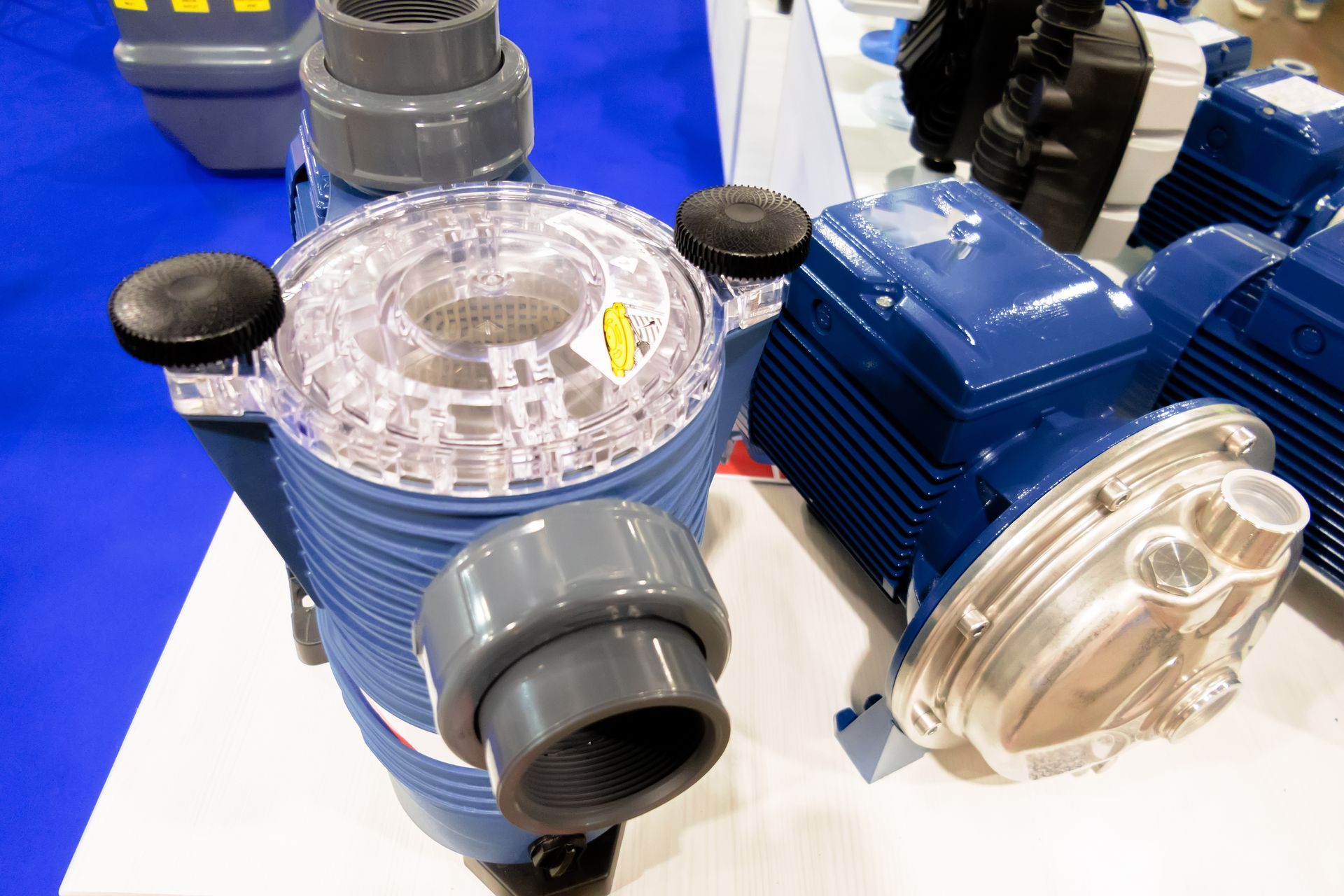
Why Pool Pump Size Matters
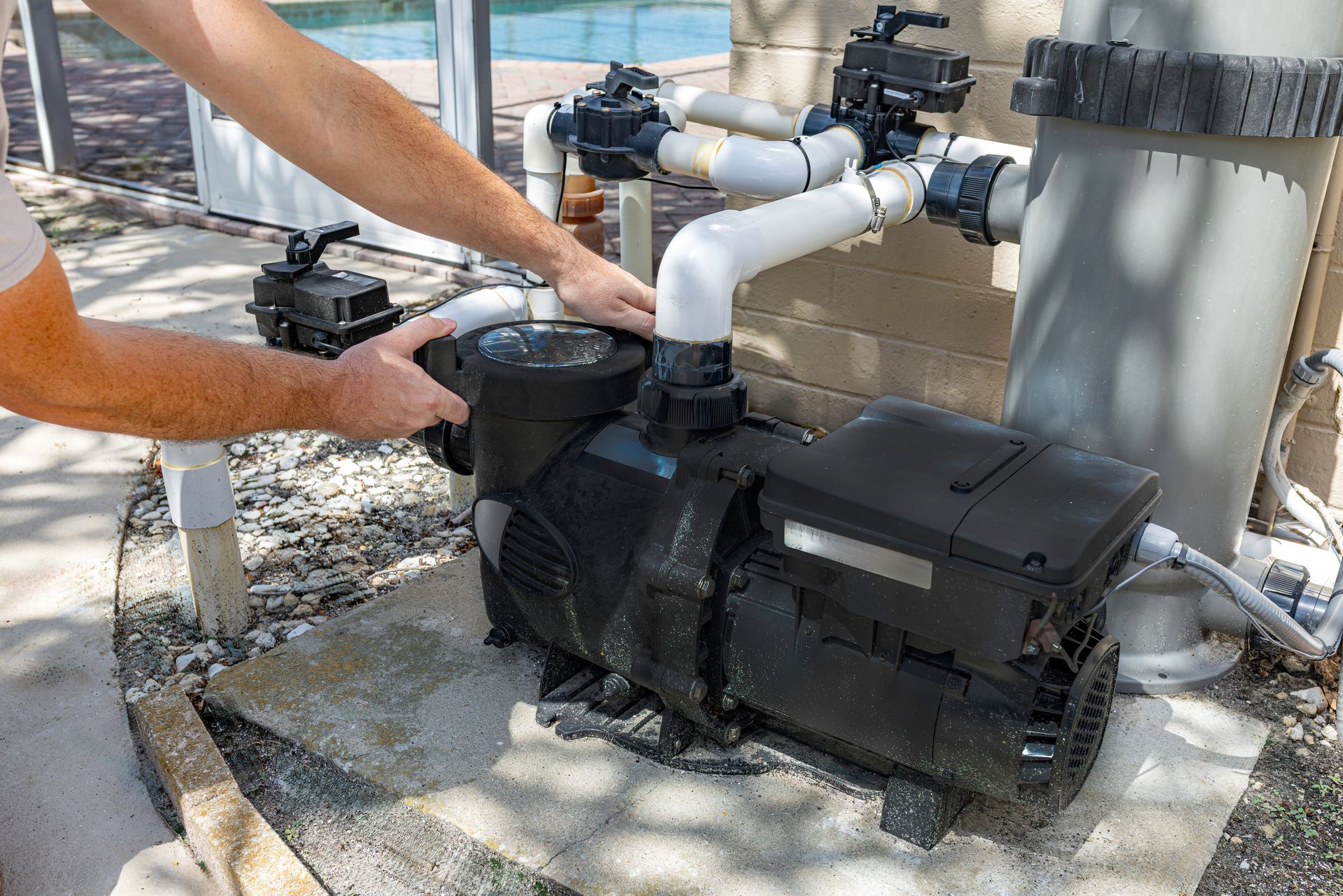
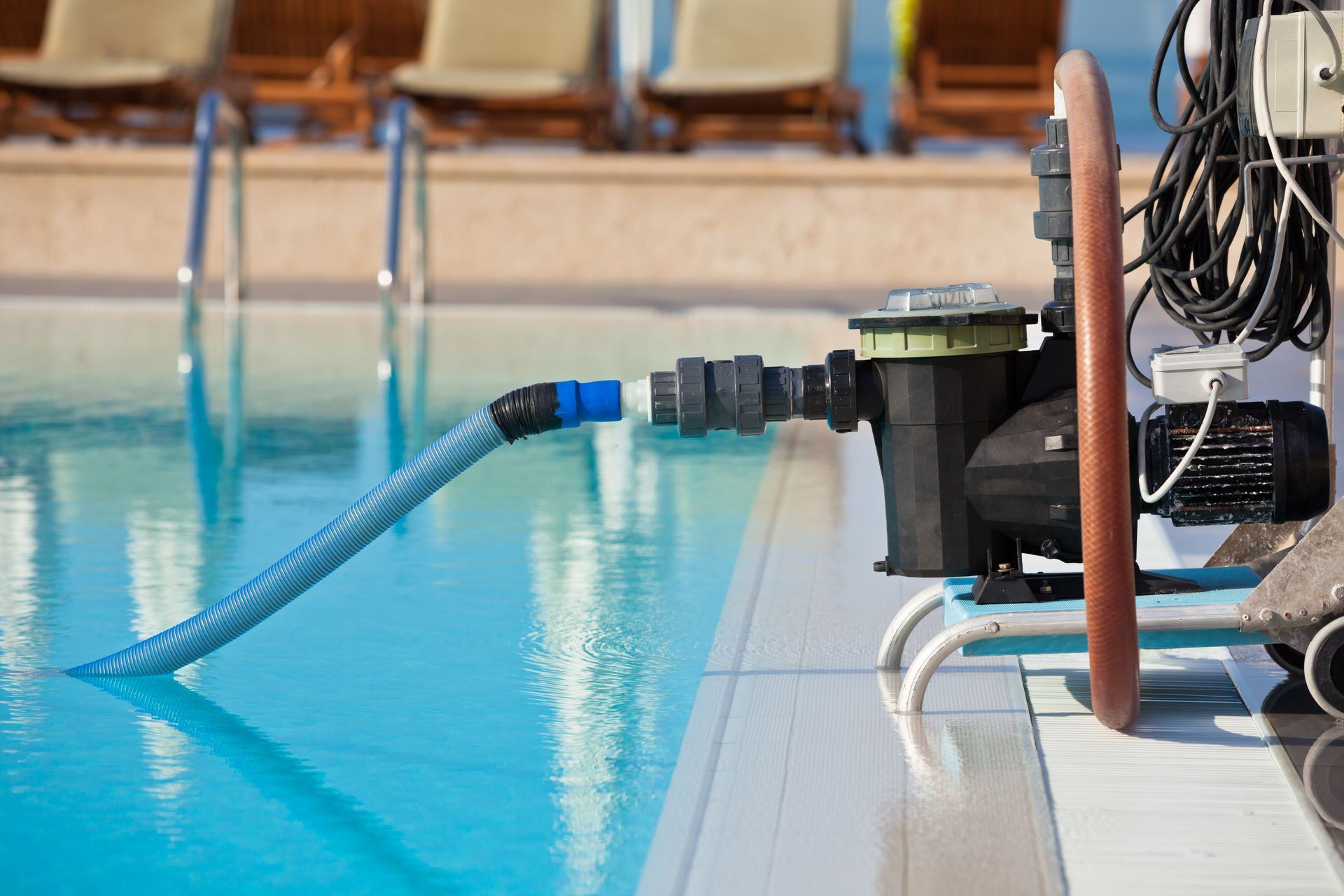
Your pool pump is responsible for circulating water through the filtration system, helping remove debris, distribute chemicals, and maintain water quality.
When a pump is correctly sized, it can:
- Improve water clarity
- Enhance filtration performance
- Reduce energy consumption
- Extend the lifespan of pool equipment
- Maintain balanced water chemistry
- Lower ongoing operating costs
Many pool owners assume that a larger pump automatically delivers better performance. However, the most efficient pump is one that matches the specific requirements of your pool system.
Start by Calculating Your Pool Volume
Before selecting a pump, you need to know how much water your pool holds.
Rectangular Pool Formula
Pool Volume (Litres) = Length × Width × Average Depth × 1,000
For example:
- Length: 8m
- Width: 4m
- Average Depth: 1.5m
8 × 4 × 1.5 × 1,000 = 48,000 litres
This figure forms the foundation for determining the flow rate your pump needs to achieve.
Understanding Pool Turnover Rates
A pool turnover refers to the amount of time it takes for the entire volume of pool water to pass through the filtration system once.
Most residential pools aim for a complete turnover every 6 to 8 hours. This ensures adequate circulation and filtration to maintain clean and healthy water.
Example Calculation
For a 48,000-litre pool:
48,000 litres ÷ 8 hours = 6,000 litres per hour
This means your pump should be capable of delivering at least 6,000 litres per hour after accounting for system resistance.
Factors That Affect Pool Pump Sizing
Pool Size
Larger pools naturally require greater flow rates to achieve the desired turnover time.
Plumbing Layout
Long pipe runs, multiple bends, and smaller pipe diameters create resistance within the system, often referred to as Total Dynamic Head (TDH). Higher resistance can reduce the actual flow rate produced by the pump.
Pool Features
Additional features may require a larger or more capable pump, including:
- Waterfalls
- Spa jets
- Solar heating systems
- In-floor cleaning systems
- Pool heating equipment
- Water features
Filter Compatibility
Your pump should always be matched to your filter. A pump that pushes more water than the filter is designed to handle can reduce filtration efficiency and place stress on the system.
Common Pool Pump Sizes
While every installation is different, the following serves as a general guide:
| Pool Size | Typical Pump Range |
|---|---|
| Up to 30,000 litres | 0.75 HP – 1 HP |
| 30,000–60,000 litres | 1 HP – 1.5 HP |
| 60,000–90,000 litres | 1.5 HP – 2 HP |
| 90,000+ litres | 2 HP and above |
Keep in mind that horsepower alone does not determine suitability. Flow rate, plumbing design, and system requirements are equally important.
Variable-Speed vs Single-Speed Pumps
Modern variable-speed pool pumps have become increasingly popular due to their energy efficiency and flexibility.
Benefits include:
- Lower power consumption
- Quieter operation
- Adjustable flow rates
- Reduced wear on equipment
- Lower running costs over time
Many pool owners find that upgrading to a variable-speed pump can significantly reduce energy usage while maintaining excellent circulation and filtration performance.
Signs Your Pool Pump May Be the Wrong Size
You may need to review your pump sizing if you notice:
- Poor water circulation
- Cloudy pool water
- High electricity bills
- Excessive pump noise
- Inconsistent filtration performance
- Difficulty operating pool cleaners or water features
These issues can indicate that your pump is either undersized or oversized for your pool system.
Popular Pool Pump Options Available from Shenton Pumps
At Shenton Pumps, pool owners can choose from a wide range of trusted pool pump solutions suitable for residential and commercial applications.
Available brands and models include:
- Davey Silensor Super-Quiet Pool Pumps
- Davey Power Master Pool Pumps
- Typhoon Pool Pumps
- Onga Pool Pumps
- Onga Leisure Time Pool Pumps
- Onga IntelliFlo Variable Flow Pumps
- Poolrite Quietline Pumps
- Aquatight Pool & Spa Pumps
- AstralPool Viron XT Variable Speed Pumps
- AstralPool CTX Pumps
These options are designed to suit various pool sizes, filtration systems, and performance requirements.
Why Professional Pool Pump Sizing Is Important
While online calculators can provide a useful starting point, accurately sizing a pool pump often requires a more detailed assessment.
Professionals consider factors such as:
- Pool volume
- Pipe diameter and length
- Filtration system specifications
- Heating systems
- Water features
- Future upgrades
- Energy efficiency goals
A professional assessment helps ensure you invest in a pump that delivers reliable performance without unnecessary running costs.
Expert Pool Pump Advice from Shenton Pumps
Selecting the right pool pump can be confusing, especially when balancing performance, energy efficiency, and long-term operating costs. The team at Shenton Pumps has extensive experience helping pool owners choose the ideal pump for their specific requirements.
Whether you're installing a new pool pump, upgrading to a variable-speed system, or replacing an ageing unit,
Shenton Pumps can provide expert guidance and recommend the most suitable solution for your pool.
Need Help Choosing the Right Pool Pump?
The right pool pump size depends on several factors, including pool volume, turnover requirements, plumbing design, filtration equipment, and any additional water features. Choosing the correct pump helps maintain clean water, improve energy efficiency, and maximise the lifespan of your entire pool system.
If you're unsure what size pool pump you need, speak with the experts at
Shenton Pumps. Their experienced team can assess your pool setup and recommend the most effective and energy-efficient solution for your needs.
Contact Shenton Pumps today for professional advice and quality
pool pumps in Perth tailored to your pool.