Why Is My Pool Losing Water Overnight?
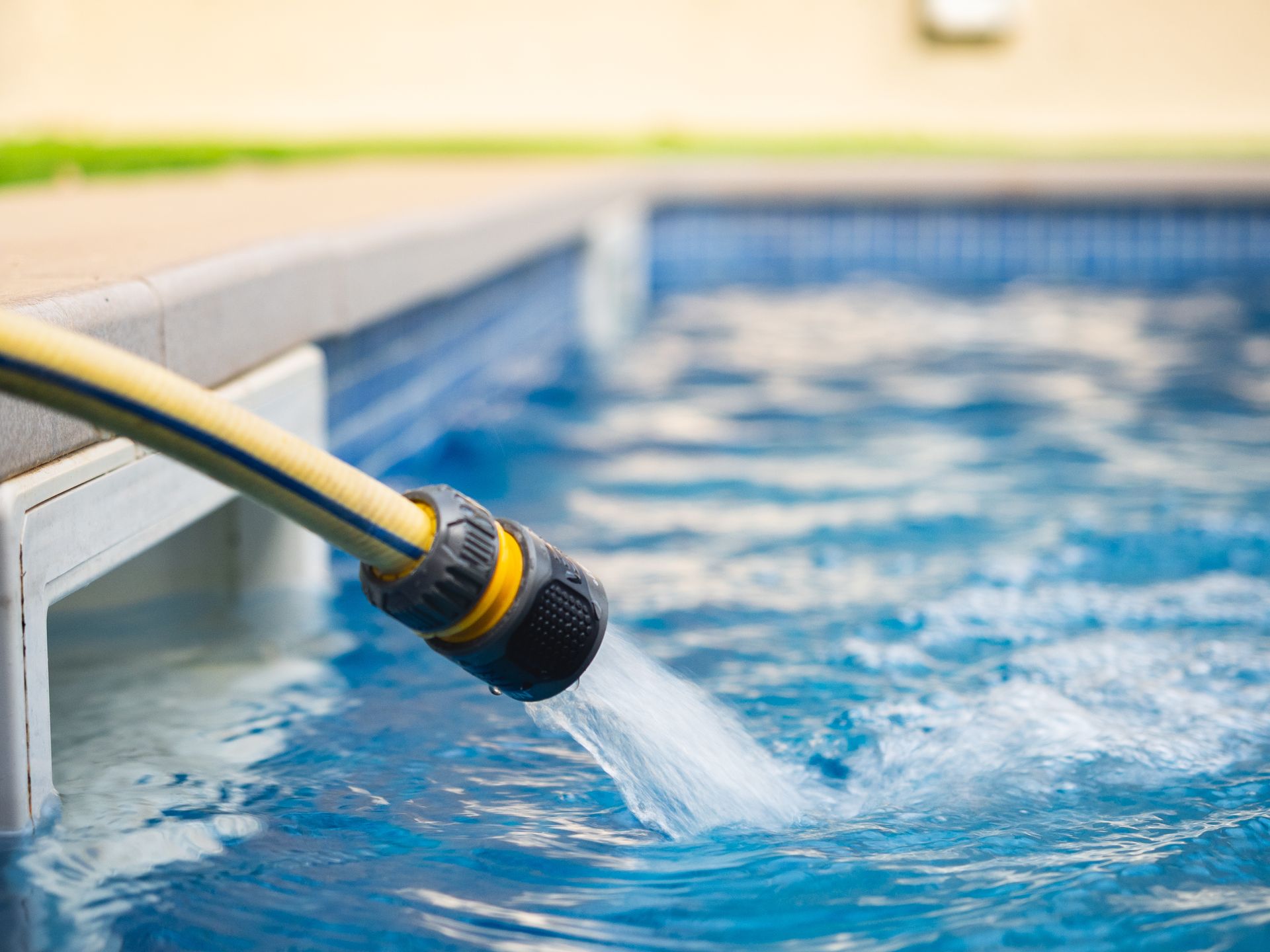
It’s normal for a swimming pool to lose a small amount of water through evaporation, especially during warm Australian weather. However, if you notice a significant drop in your pool water level overnight, it could indicate a more serious issue that should not be ignored.
Understanding the possible causes of overnight water loss can help you prevent damage to your pool equipment, reduce unnecessary water usage, and avoid costly repairs in the future.
Is It Normal for a Pool to Lose Water Overnight?
Most swimming pools naturally lose a small amount of water each day due to evaporation. Factors such as heat, wind, pool usage, and humidity levels can all contribute to minor water loss. During hot Australian summers, pools may lose several millimetres of water daily.
However, if your pool water level drops noticeably overnight when temperatures are cooler and evaporation is reduced, there may be an underlying issue affecting your pool system.
Common Reasons Your Pool Is Losing Water Overnight
Pool Structure Leaks - Cracks in concrete pools, damaged liners, or worn pool surfaces can allow water to escape continuously. Structural leaks often become more noticeable over time and may lead to wet areas surrounding the pool or visible surface damage.
Leaking Pool Plumbing - Damaged underground pipes or loose plumbing connections are a common cause of overnight water loss. Pool plumbing leaks may occur in suction lines, return lines, or fittings connected to the filtration system. Because many plumbing components are hidden underground, these leaks are not always immediately visible.
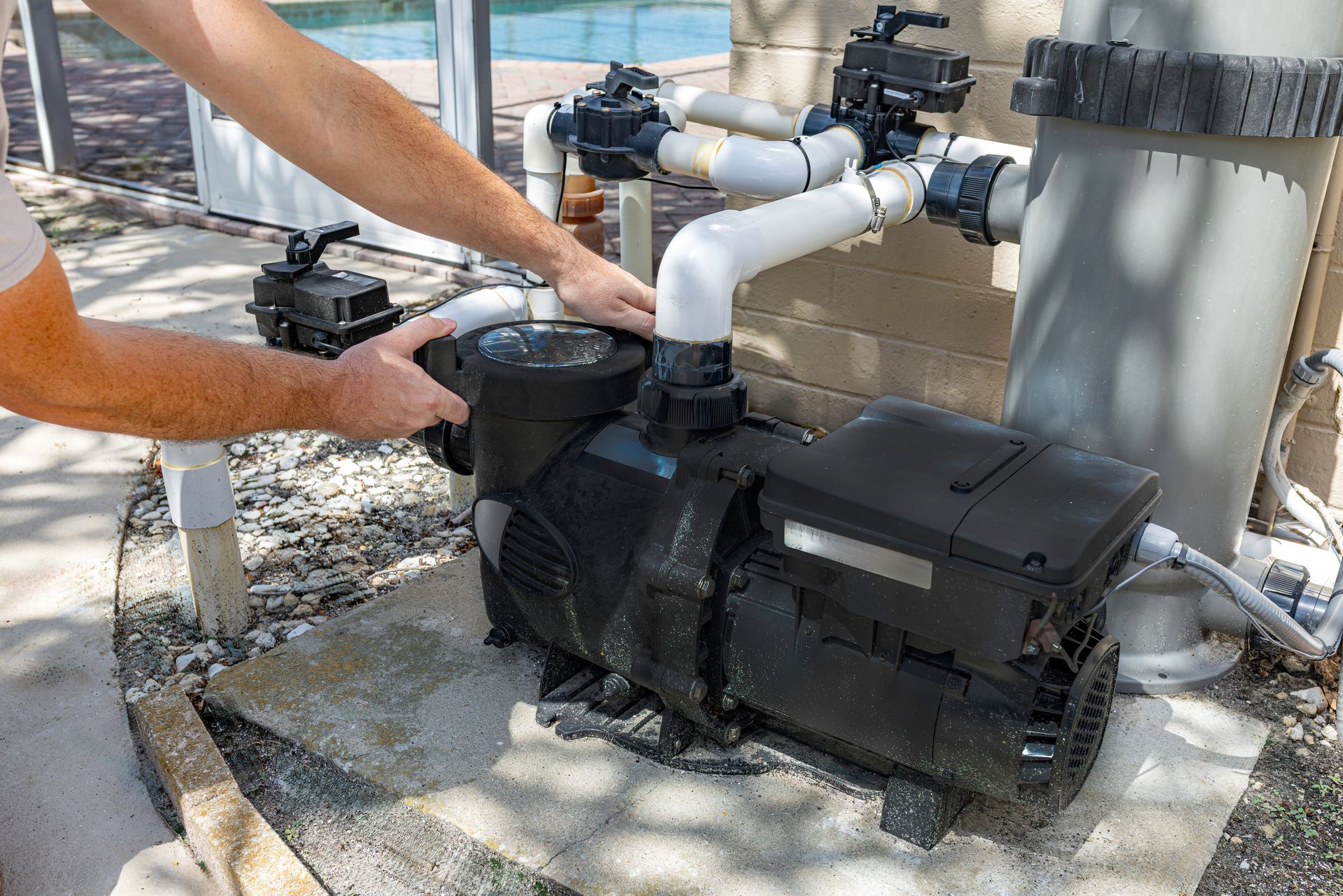
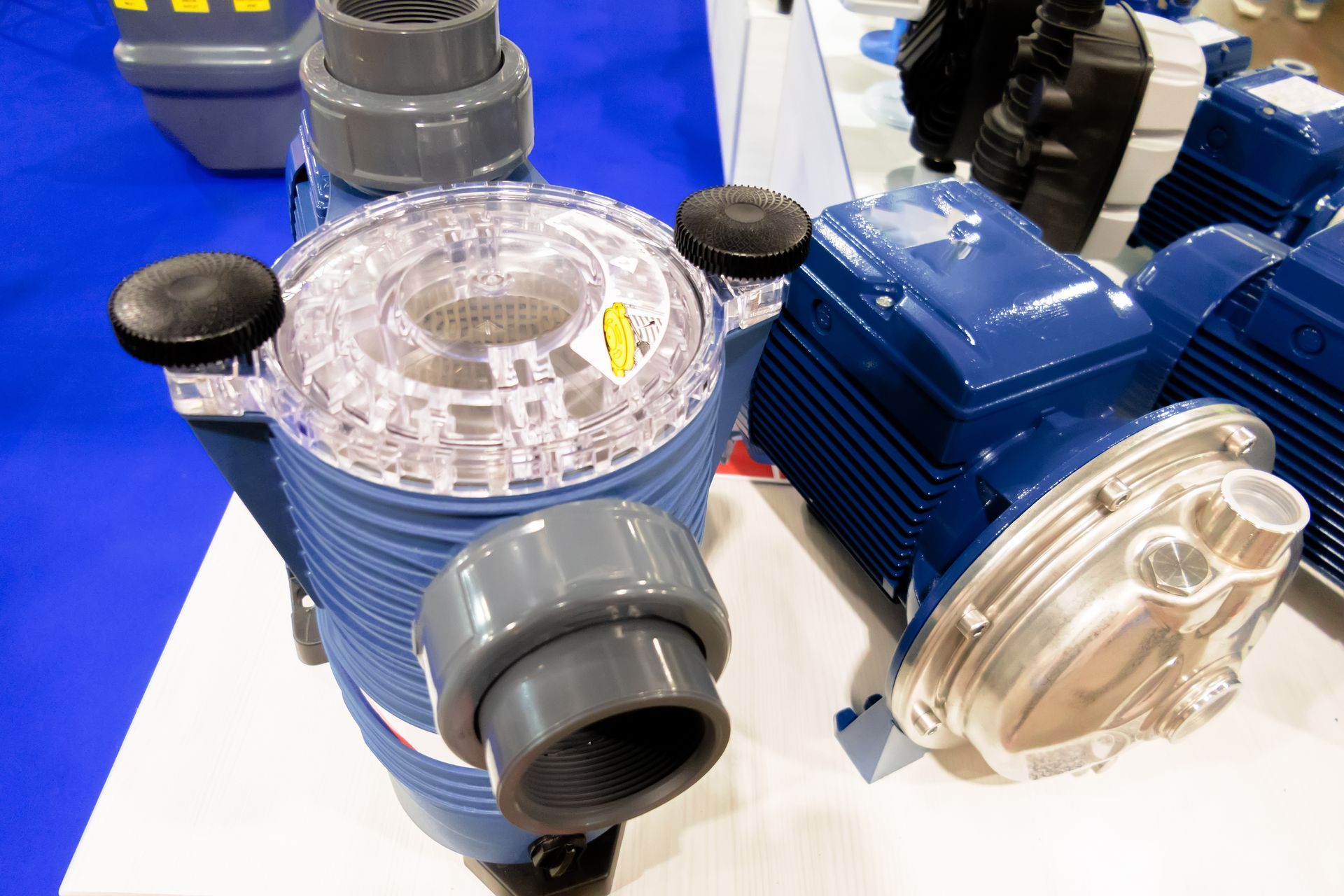
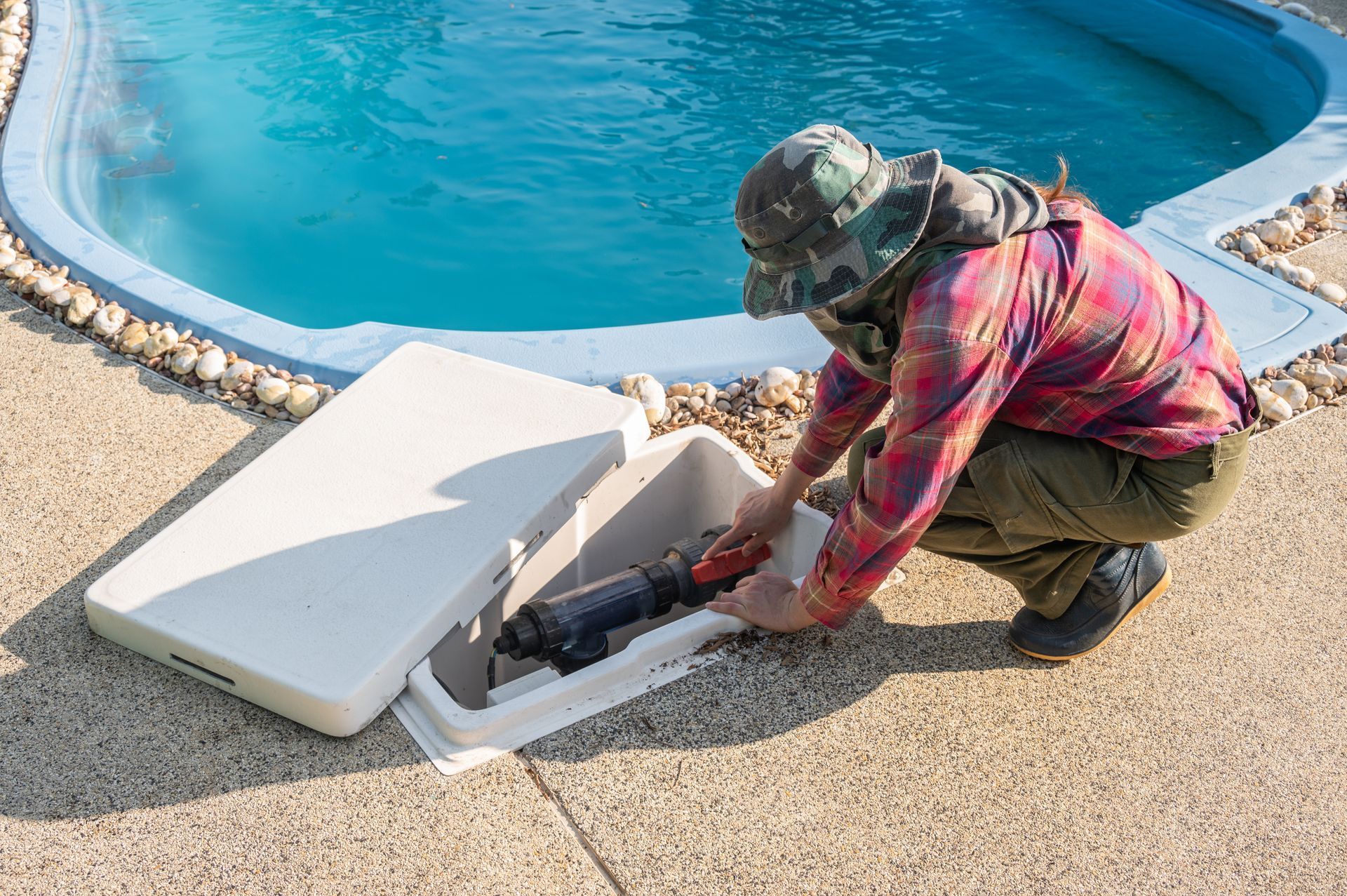
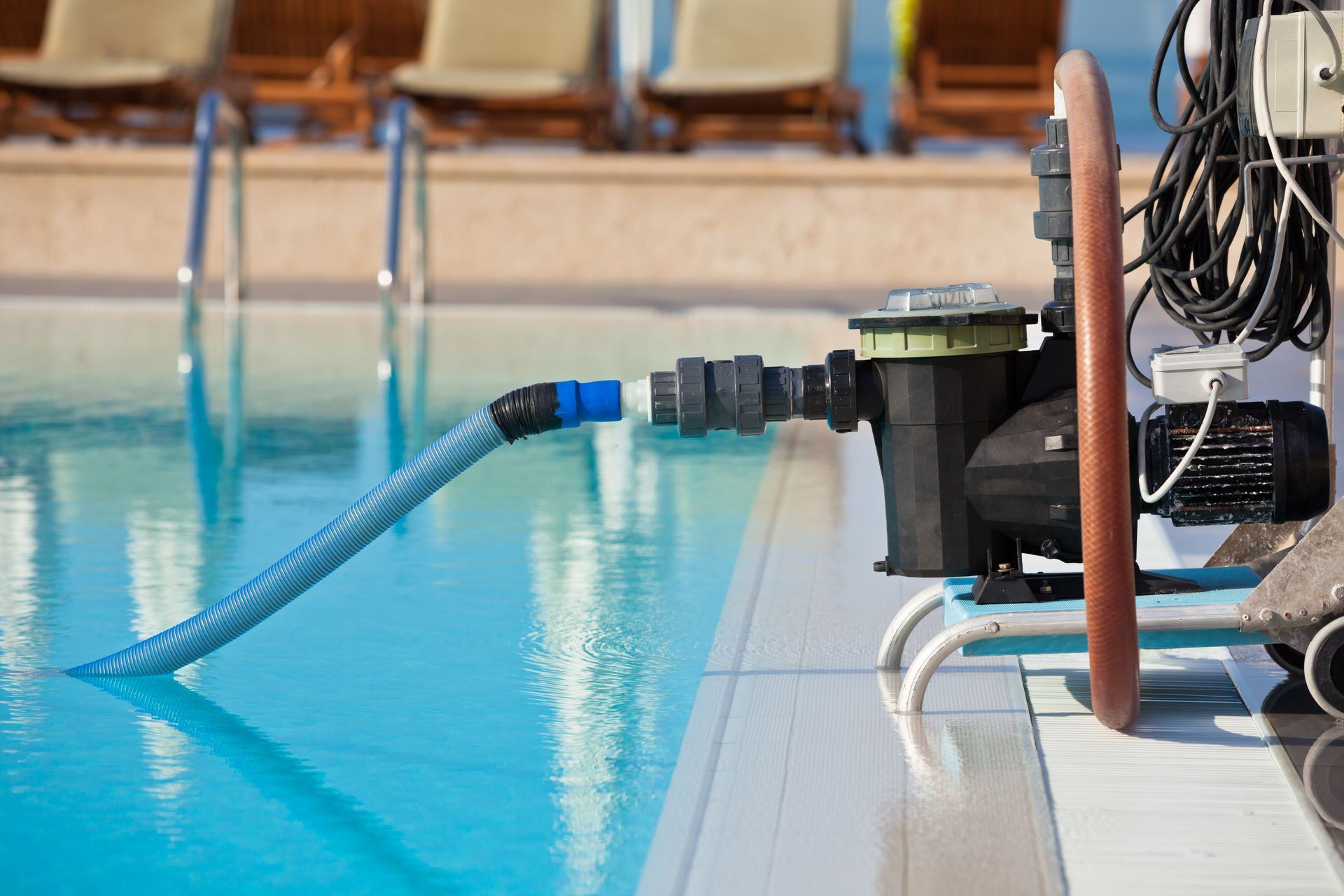
Faulty Pool Pump or Equipment - Leaks around the pool pump, filter, chlorinator, or valves can also contribute to water loss. Worn seals, cracked housings, or damaged fittings may allow water to slowly escape while the system is running. If you notice moisture around your equipment area, unusual pump behaviour, or reduced circulation, your equipment may require servicing.
Increased Evaporation - Australian weather conditions can accelerate evaporation, especially after hot days combined with dry air or strong winds. Heated pools also tend to lose water more quickly than unheated pools. Pools without covers are particularly vulnerable to excessive evaporation overnight.
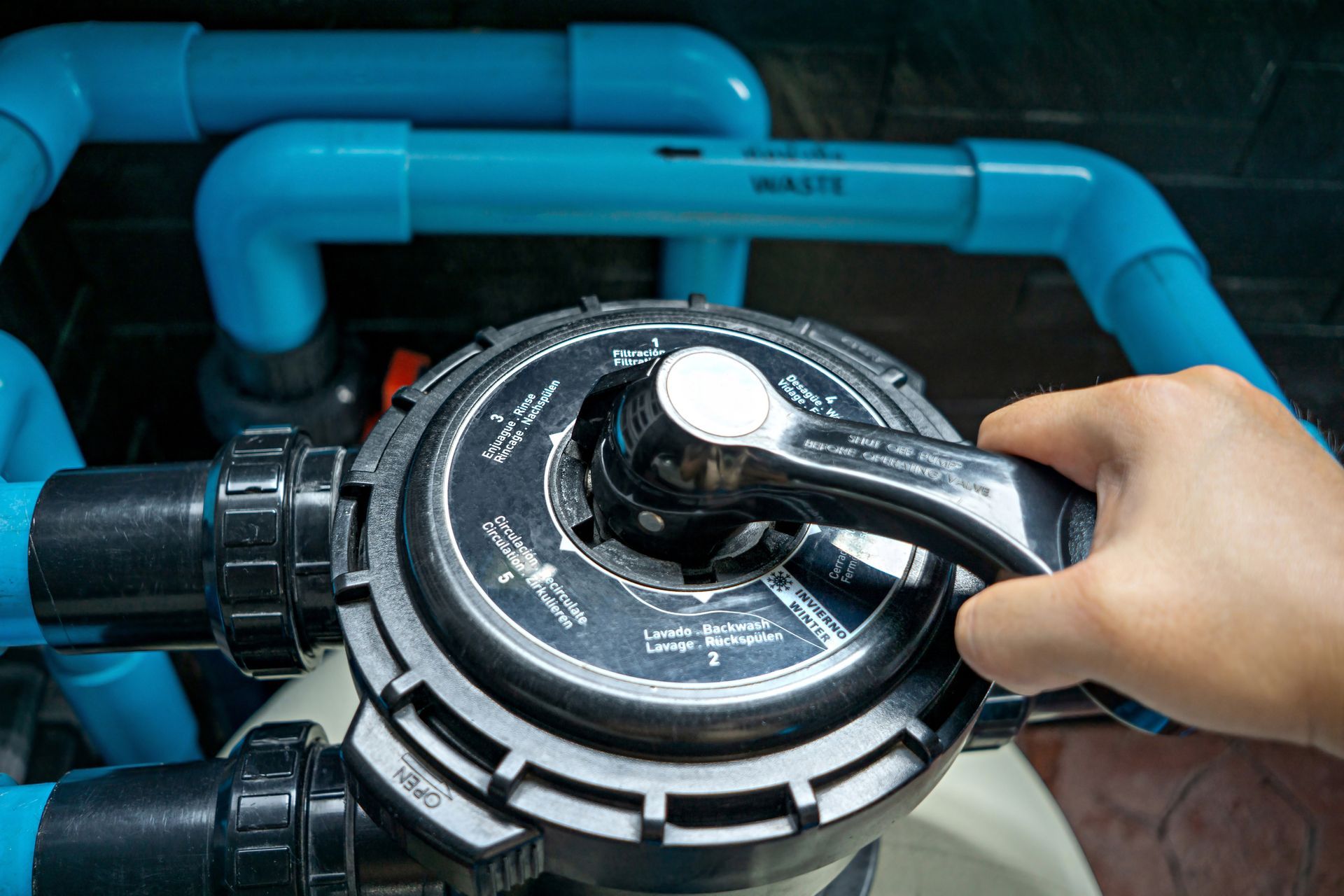
Filtration or Backwash Problems - A faulty filter system or multiport valve may unintentionally send water to waste without obvious signs. If your pool loses water primarily when the pump is operating, the filtration system may need professional inspection.
How to Check if Your Pool Has a Leak
One of the simplest ways to determine whether your pool has a leak is by performing a bucket test. This involves placing a bucket filled with pool water on a pool step and comparing the water loss inside the bucket to the water loss in the pool overnight.
If the pool loses significantly more water than the bucket, there is a strong chance a leak may be present.
Signs You Should Contact a Professional
Rapid overnight water loss, consistently needing to refill the pool, wet areas near equipment, or visible cracks around the pool can all indicate a larger issue. Increased water bills and air bubbles in the return jets may also suggest plumbing or pump-related problems.
Professional inspections can help identify hidden leaks and prevent further damage to your pool and surrounding property.
Can a Pool Pump Cause Water Loss?
Yes, a leaking or damaged pool pump can contribute to ongoing water loss. Worn seals, cracked pump housings, and loose fittings may all allow water to escape gradually. Regular servicing helps ensure the pump operates efficiently while reducing the risk of unexpected failures or leaks.
How to Reduce Pool Water Loss
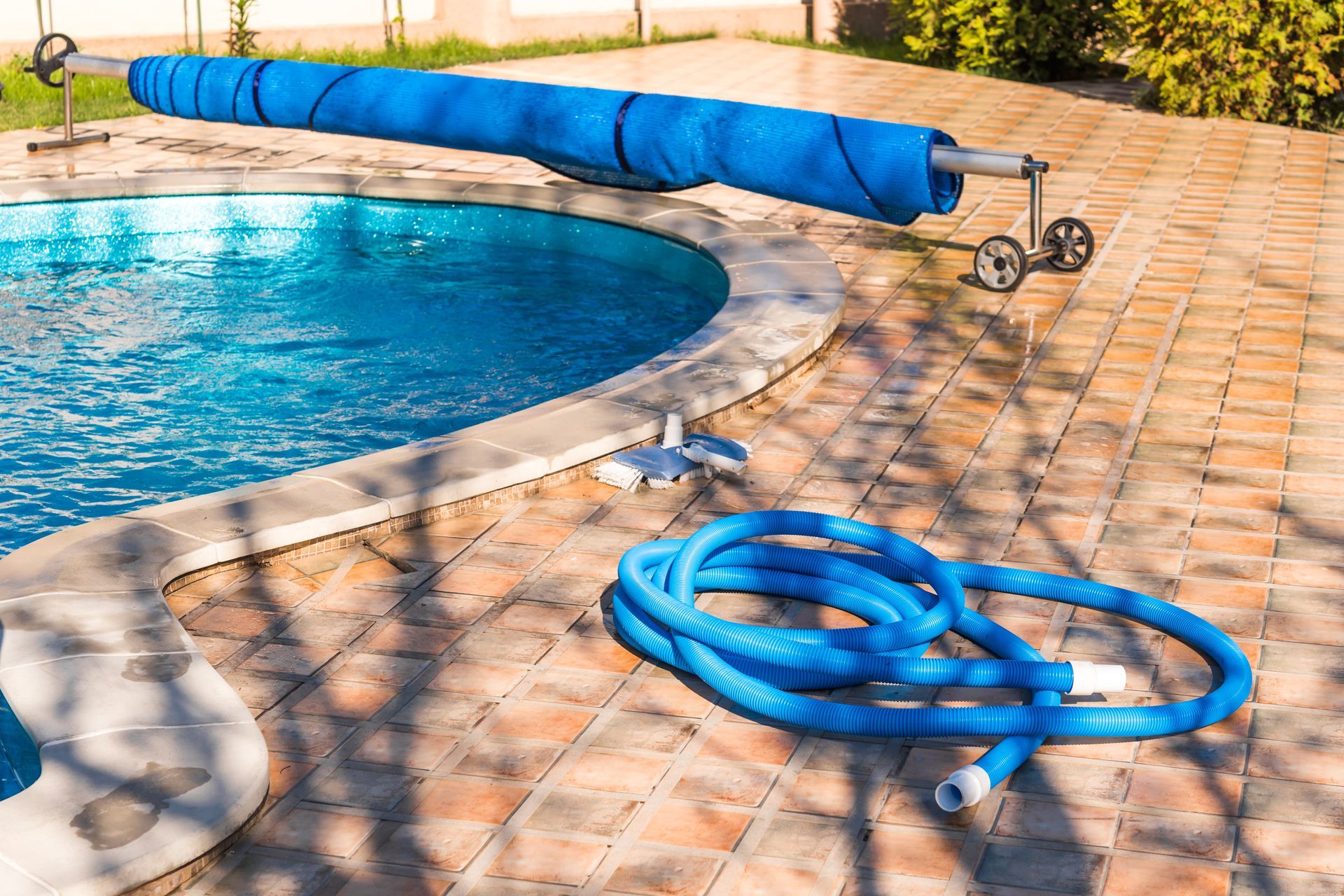
Using a pool cover is one of the most effective ways to reduce evaporation and retain heat. Regularly checking your equipment for leaks or wear can also help minimise water loss and maintain system efficiency.
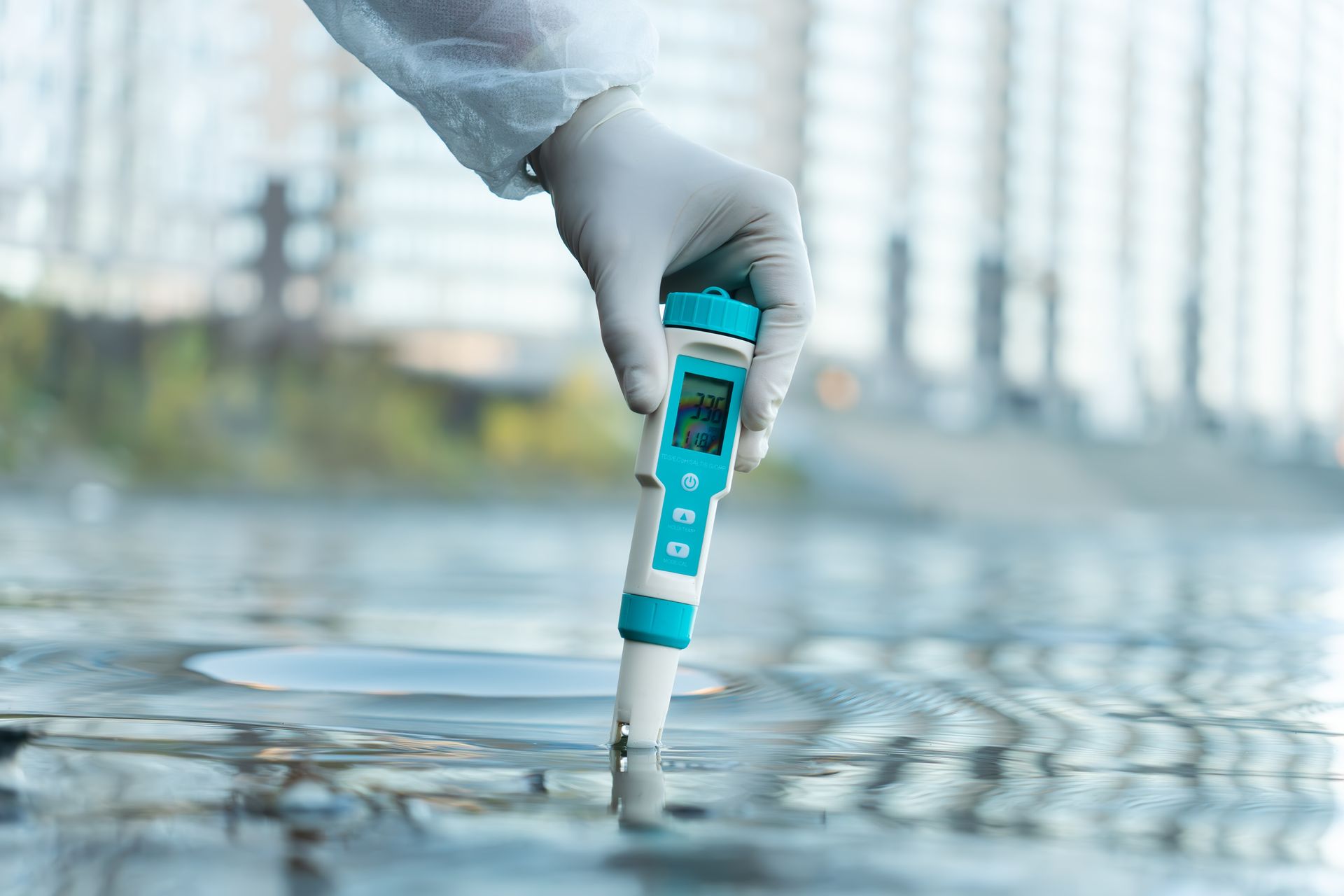
Maintaining balanced pool water chemistry is equally important, as poor chemical balance can damage seals, fittings, and internal equipment over time. Scheduling routine pool maintenance can help detect early warning signs before they become expensive repairs.
Get Expert Help for Pool Water Loss With Shenton Pumps
While some overnight pool water loss is normal, significant drops in water level may indicate leaks, plumbing problems, or equipment issues that require attention. Identifying the cause early can help protect your pool system, reduce water waste, and avoid costly repairs in the future.
If your pool is losing water overnight or your equipment is showing signs of wear, contact Shenton Pumps for professional pool inspections, pump servicing, and expert maintenance solutions tailored to your pool system.