Best Time to Run a Pool Pump in Australia
The Best Time of Day to Run a Pool Pump
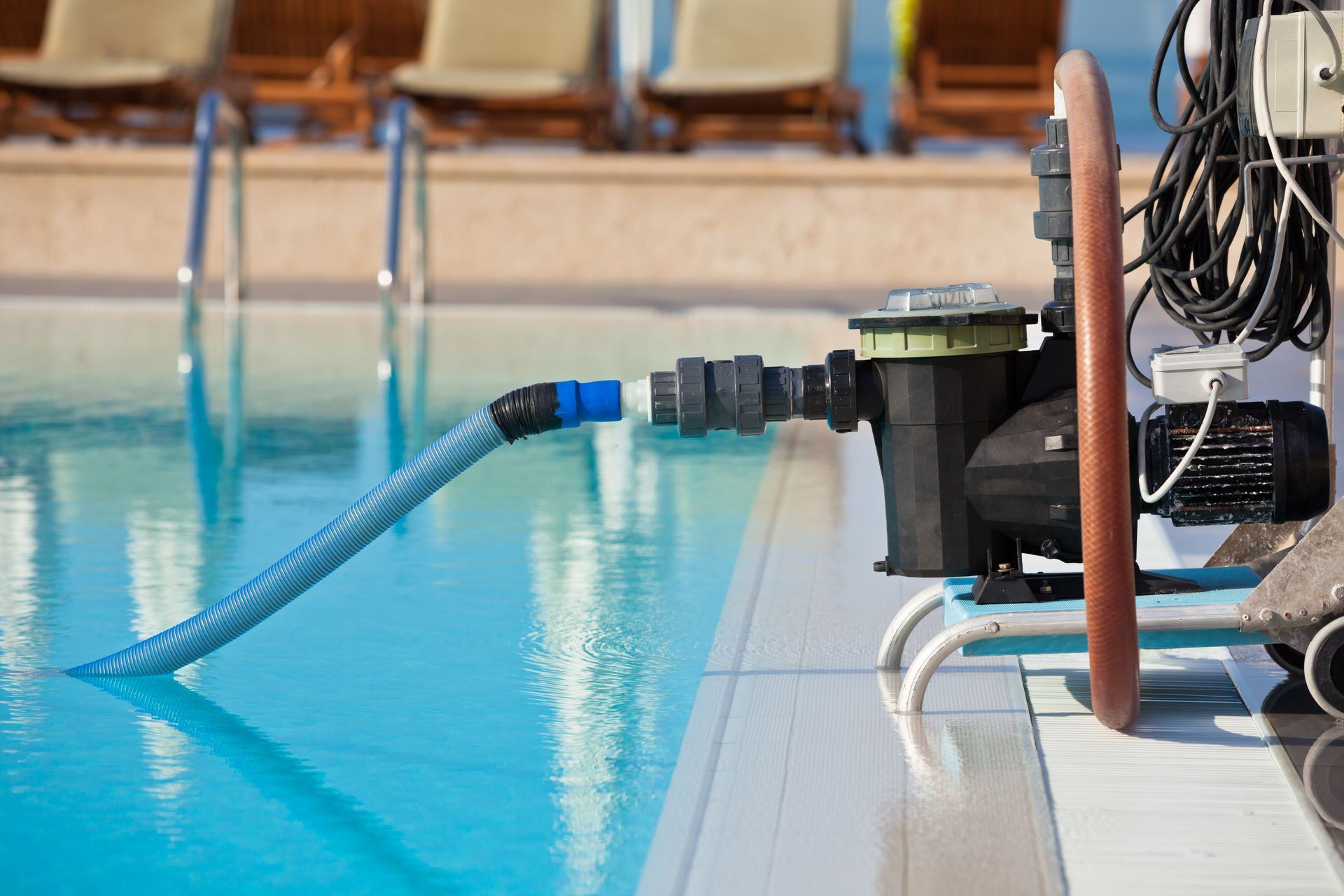
Running your pool pump at the right time each day is essential for maintaining clean water, improving filtration efficiency, and reducing electricity costs. In Australia’s warm climate, where pools are used frequently, optimising pump run times can make a significant difference in water quality and energy usage.
The most effective time to run a pool pump in Australia is generally during off-peak electricity hours, which are usually:
- Early morning (around 5am–9am)
- Late evening (around 8pm–12am, depending on your tariff)
Running your pump during these periods can help reduce electricity costs while still maintaining proper water circulation. However, from a water quality perspective, running the pump during the daytime (especially mid-morning to afternoon) can also be beneficial in warmer months, as it helps circulate chemicals when UV exposure and algae growth are at their highest.
How Long Should You Run a Pool Pump?
A good rule of thumb for Australian residential pools is:
- 6–10 hours per day in summer
- 3–6 hours per day in winter
The exact duration depends on:
- Pool size
- Pump type (single-speed vs variable-speed)
- Usage levels
- Water temperature
- Filtration system efficiency
Variable-speed pumps can often run longer for less cost due to improved energy efficiency.
Summer vs Winter Pump Scheduling
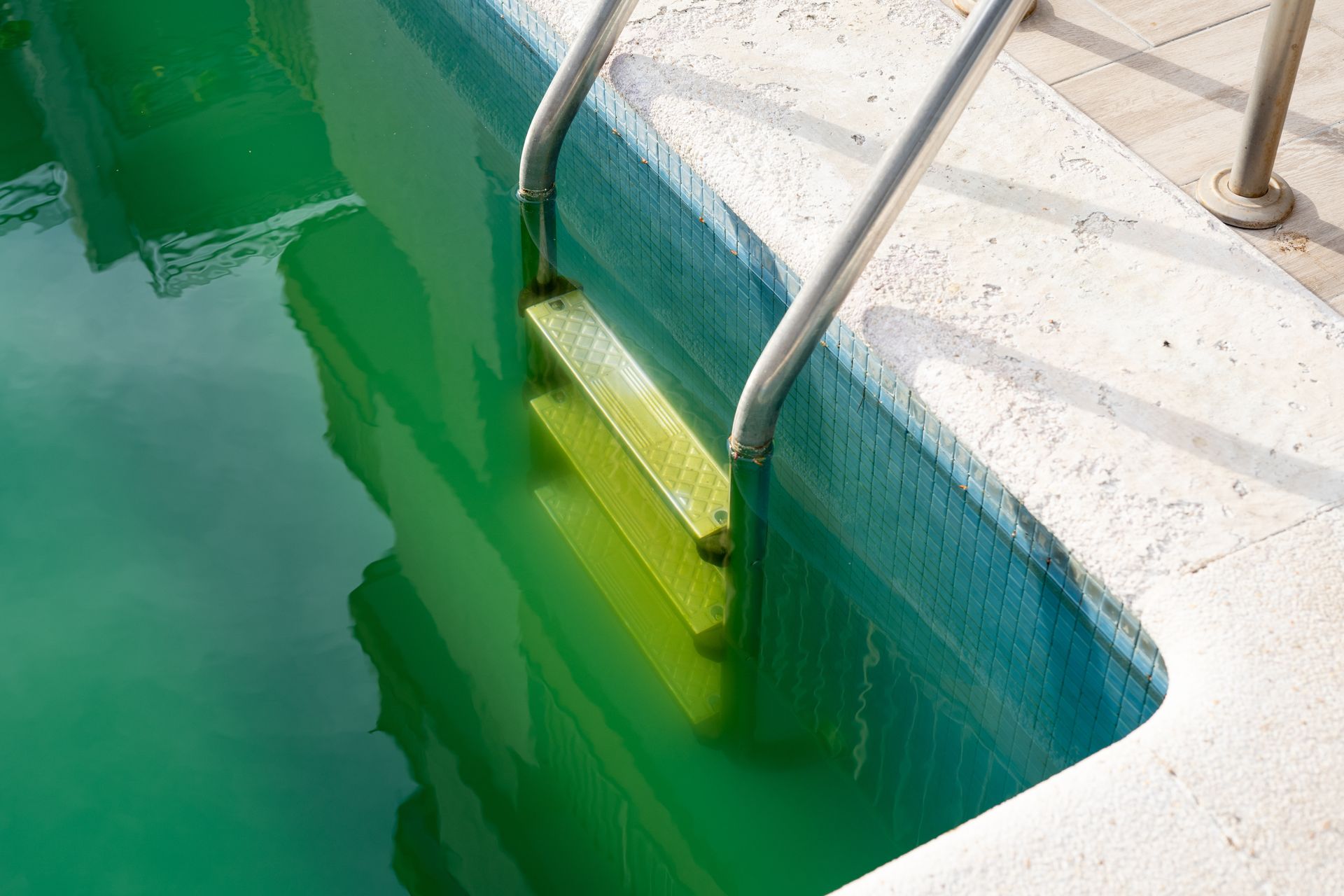
Summer - During hot Australian summers, pool water heats up quickly, which increases the risk of algae growth and reduces overall water quality if circulation is not maintained properly. Running your pool pump for longer periods and more frequently during this time helps ensure proper chlorine distribution throughout the pool, keeps the water clear, reduces the likelihood of algae developing, and improves the removal of debris from the water.
Winter - During the cooler months, pool usage typically decreases and algae growth slows down due to lower temperatures and reduced sunlight exposure. In this period, you can safely reduce your pool pump runtime while still maintaining enough basic circulation to keep the water clean, balanced, and healthy.
Should You Run a Pool Pump at Night or During the Day?
Both options have advantages:
Running at Night - Running your pool pump at night can help reduce electricity costs if you are on off-peak tariffs, as energy rates are often lower during these hours. It can also place less strain on the electricity grid and allows for quiet operation during the day when the pool area is more likely to be in use.
Running During the Day - Running your pool pump during the day can improve chemical circulation at the time when UV rays are strongest, which helps prevent algae growth and supports better overall water balance. It can also contribute to improved water clarity during peak swimming times when the pool is being used.
Many Australian pool owners choose a split cycle, running the pump part of the time in the morning and part at night for balanced performance.
Energy-Saving Tips for Running Your Pool Pump
To reduce running costs while maintaining performance:
- Use a variable-speed pool pump where possible
- Clean pump baskets regularly
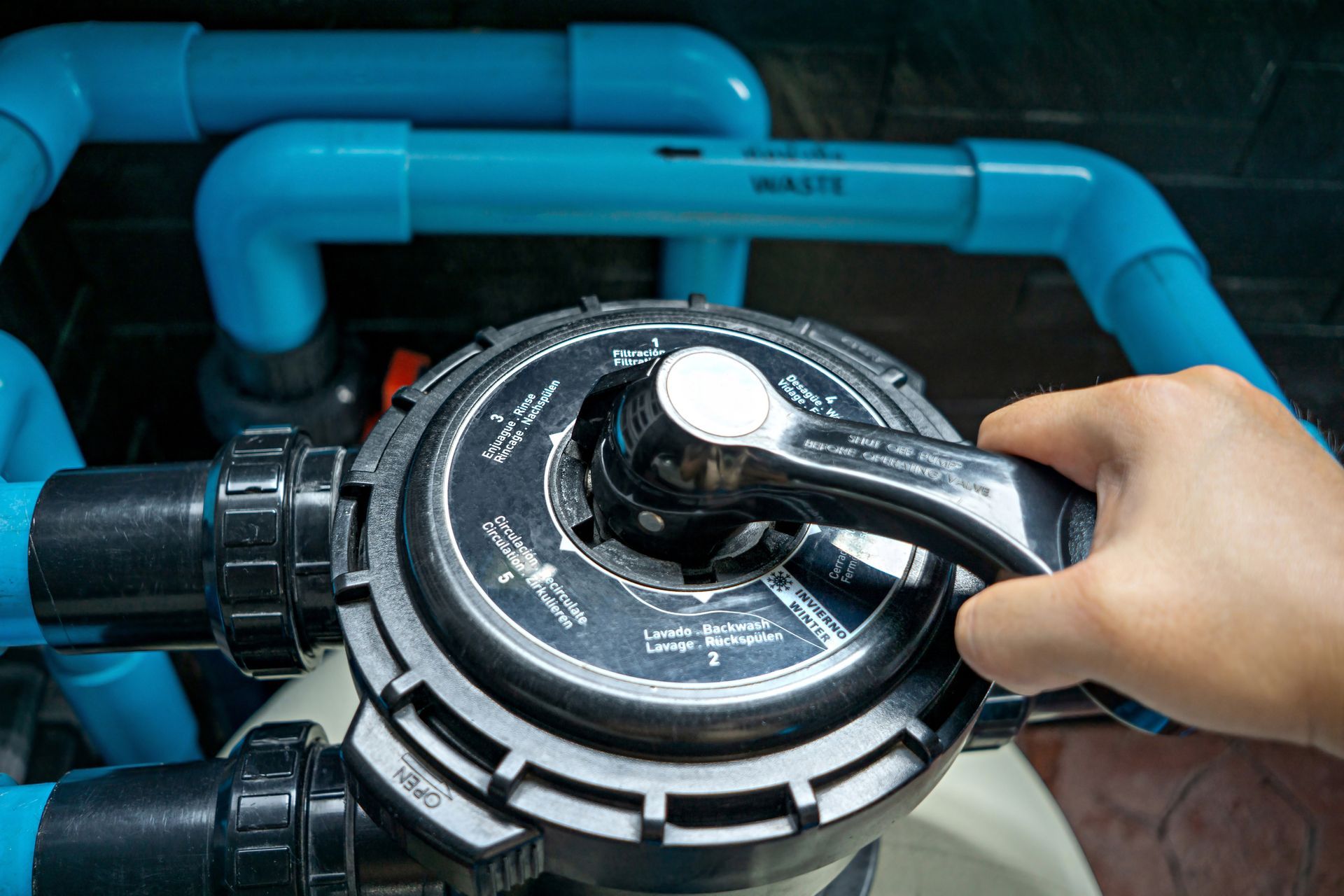
- Backwash filters when needed
- Avoid over-running the pump unnecessarily
- Schedule operation around off-peak tariffs
- Keep water chemistry balanced to reduce workload on the system
When to Get Your Pool Pump Checked
If your pump is running longer than usual or struggling to maintain water clarity, it may indicate:
- Blocked filters
- Worn pump components
- Inefficient circulation
- Incorrect pump sizing
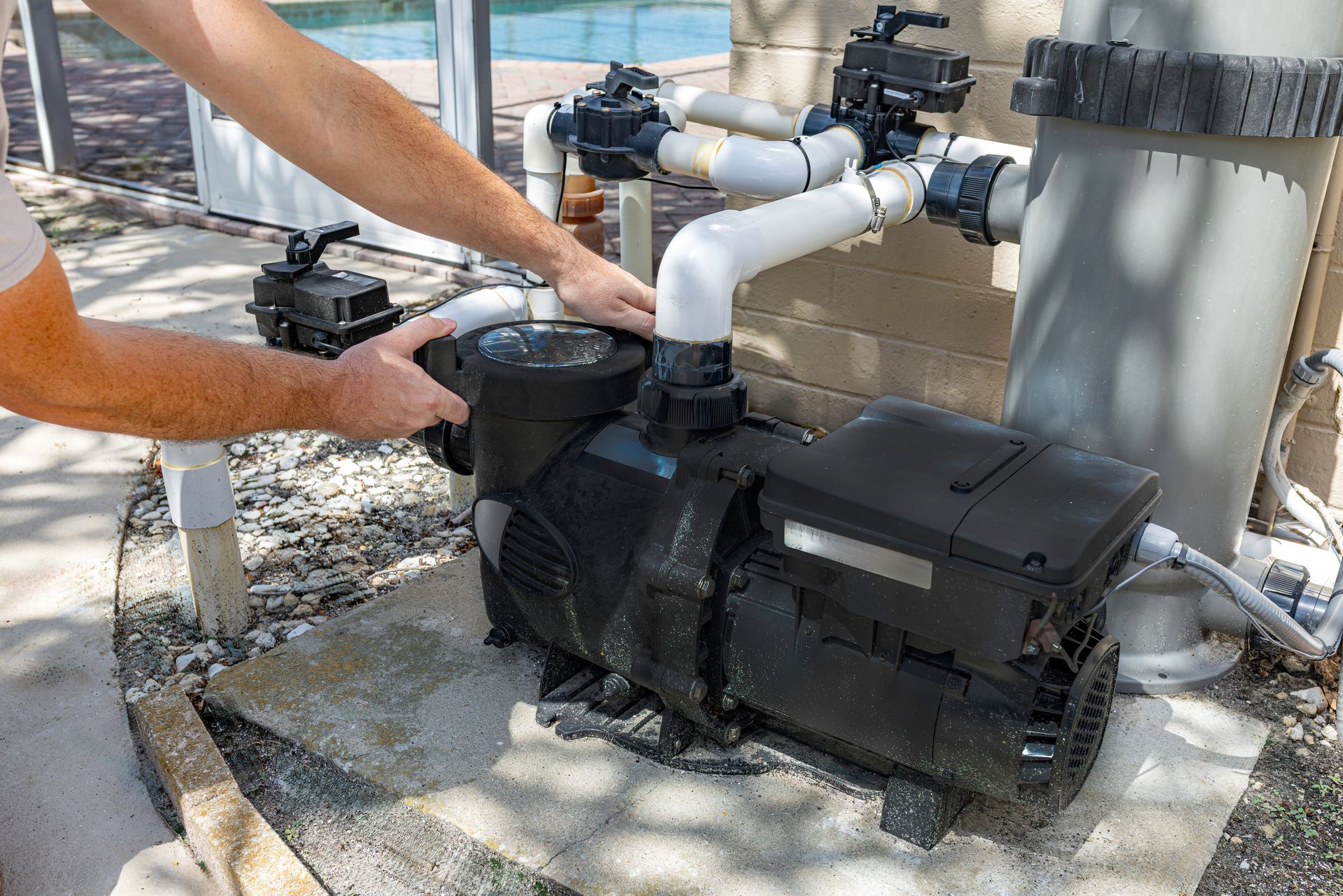
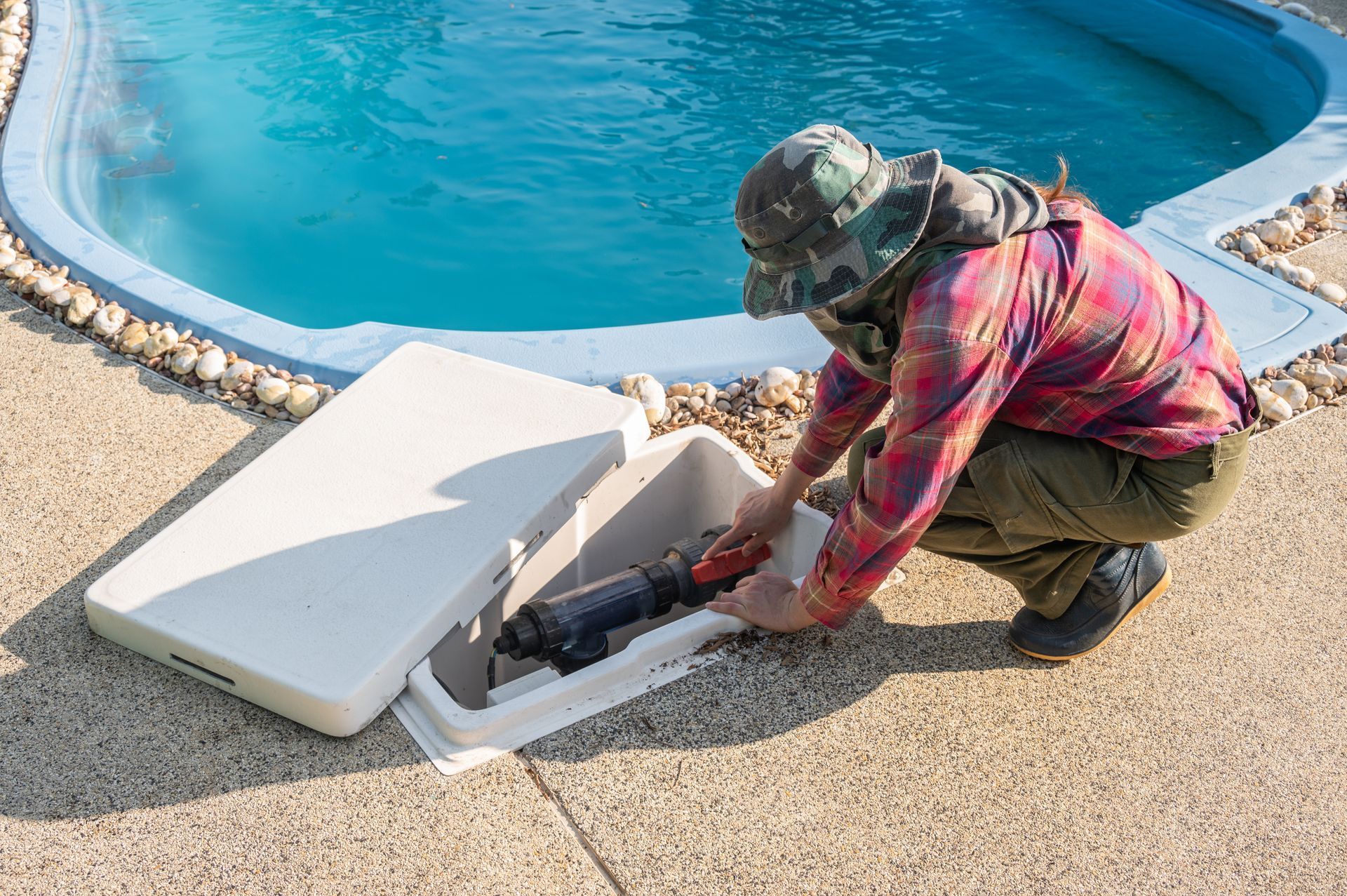
Regular servicing ensures your system runs efficiently and avoids unnecessary energy costs or breakdowns.
When to Get Your Pool Pump Checked
The best time to run a pool pump in Australia depends on balancing energy efficiency with water quality. Most homeowners benefit from running their pump during off-peak hours while ensuring enough daily circulation—typically 6–10 hours in summer and 3–6 hours in winter. If you're unsure whether your pool pump is running efficiently or correctly scheduled, professional support can make a big difference in performance and long-term cost savings.
For expert pool pump servicing, maintenance, and advice,
contact Shenton Pumps to keep your system operating at peak efficiency year-round.