4 Tips To Help You Buy a Bore Pump
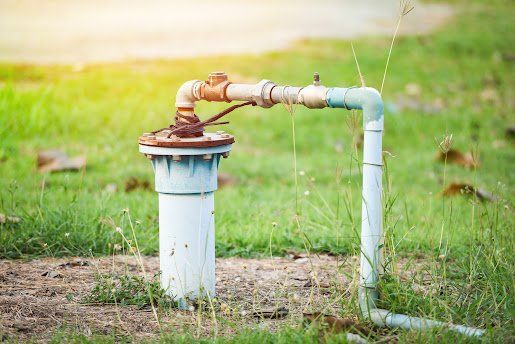
Do you intend to pump water from an underground reservoir or a borehole? A bore pump will help you suction and pump water vertically. Read on to learn how to buy a bore pump.
1. Choose a suitable pump
Two types of domestic bore pumps are available: submersible and centrifugal pumps.
Submersible pumps are electrical pumps that are submerged inside the water. They are quiet, self-priming, cavitation resistant and highly efficient since they have positive head pressure. Their downside is that they corrode and are difficult to access since they are inside the bore.
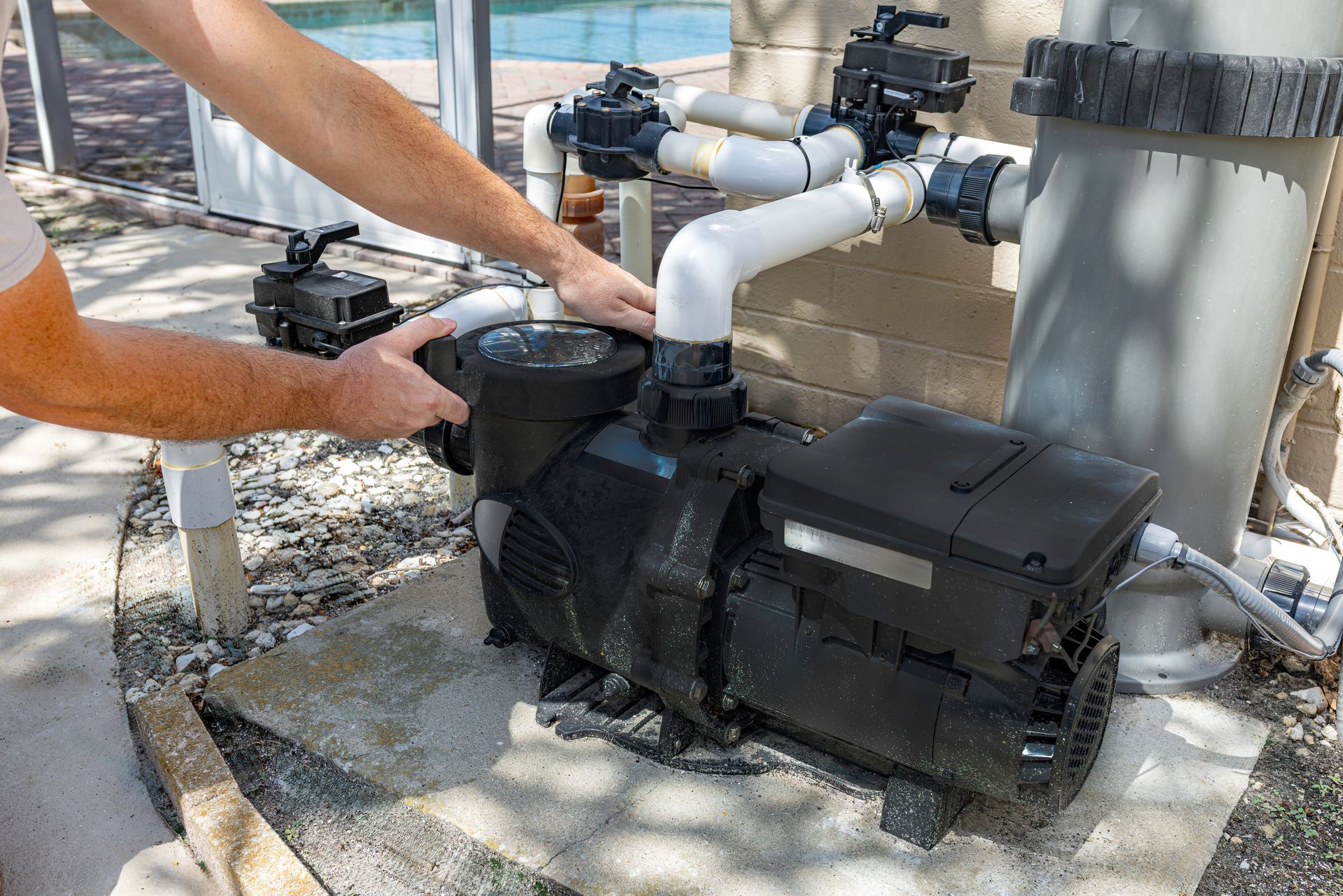
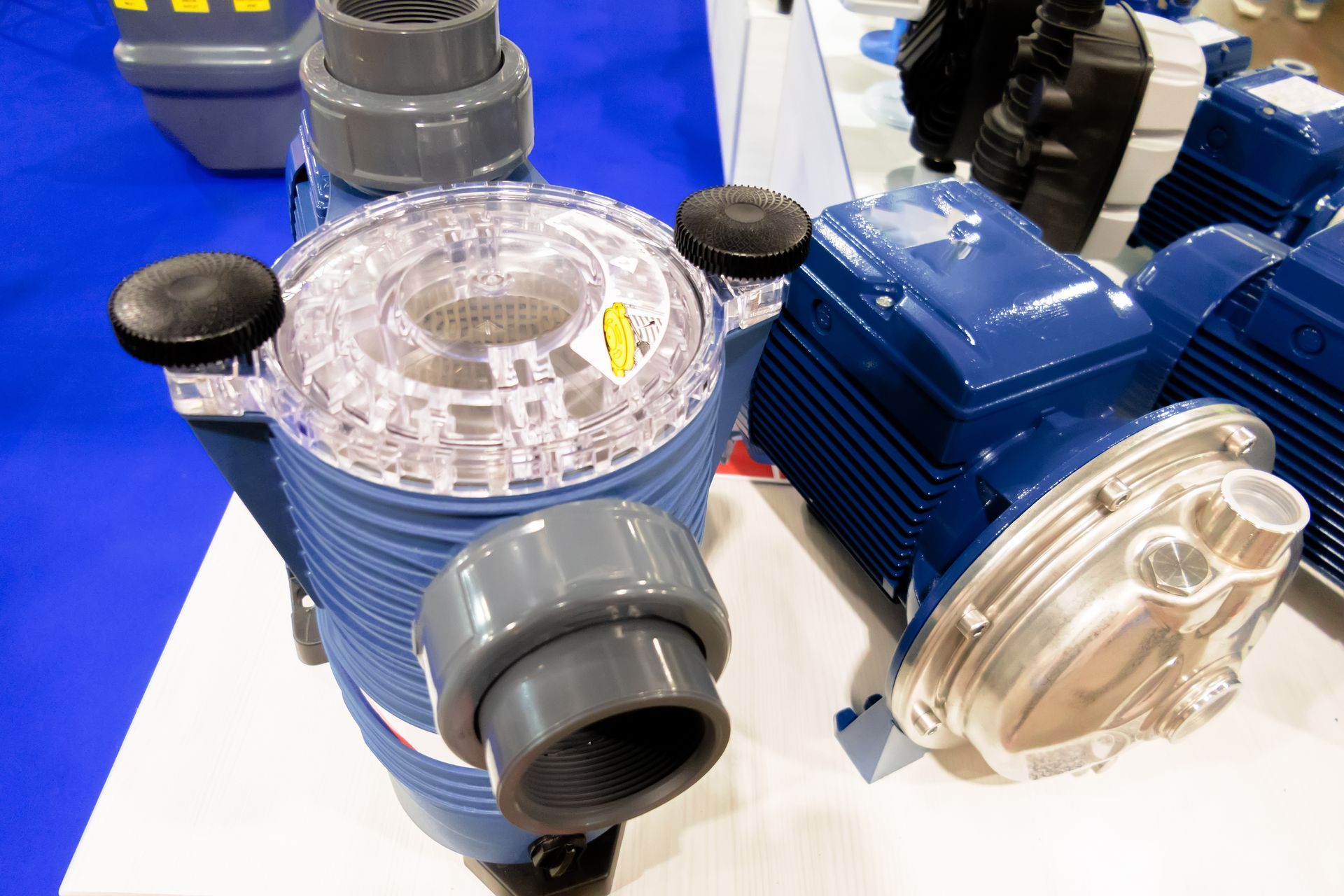
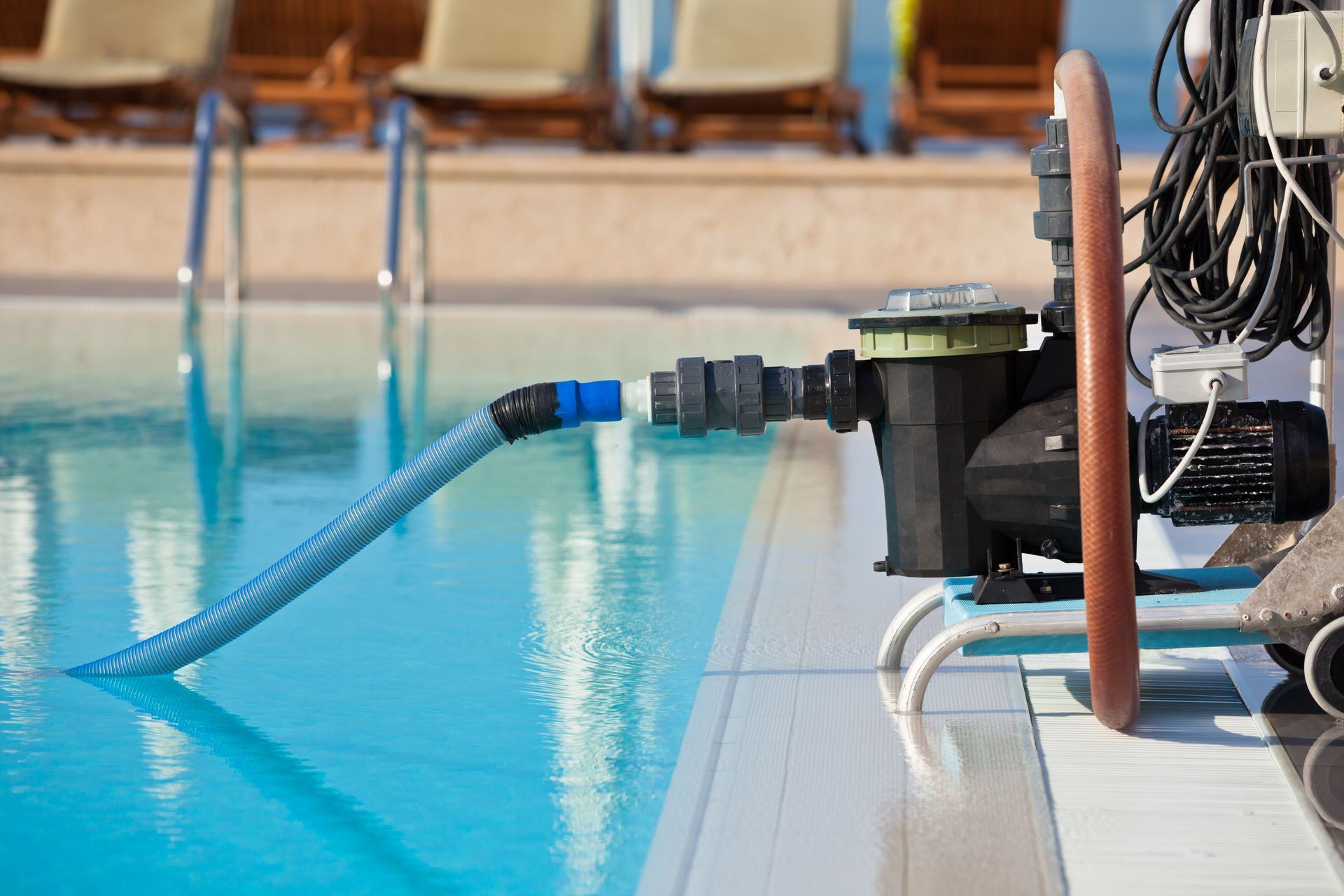
Centrifugal pumps are installed on the ground and use force to take water out. They are often used for water wells, though they are useful for many other applications. They are easy to access, require little maintenance and work well in all types of weather. They can vary in their performance, so ensure you have a centrifugal pump that meets your exact needs.
2. Assess your needs to determine the pump's specifications
Do not buy a pump based on its price. Examine your needs to establish the qualities of the pump you require. Below are the features to look out for in a bore pump:
- Check the pump's flow rate. A low flow rate is ideal for many smaller applications, while a high flow rate will come in handy in high-usage settings.
- Examine the pump's head. This is the maximum height that it can pump water.
- The pump should have high energy efficiency. Otherwise, it will cost a fortune to operate it.
- When buying a submersible pump, check its diameter to know if it will fit in the borehole.
- Examine the pump's portability if you intend to use it in different bores.
3. Determine a suitable power source
Bore water pumps can be petrol-, diesel-, electrical- or solar-powered. The location of installation will significantly influence the pump's power source.
For example, solar pumps are preferable for many people since they are environmentally friendly and have low-maintenance and running costs. However, they may not be suitable if you live in a predominantly cold climate.
Electric bore pumps are silent and environmentally friendly. Nevertheless, you may want to avoid them if the area does not have a power connection or experiences frequent power outages.
Bore pumps can be powered by a diesel or petrol engine. Diesel pumps are renowned for their reliability and durability in heavy applications. However, compared to petrol pumps, they are more expensive.
4. Go for reputable manufacturers
There are numerous bore pump brands and models. Narrow your selection by considering reputable brands whose pumps have been in use for several years. It is easy to research the performance of these pumps since you will find many reviews on the company's website, social media and independent blogs.
What incentives does the manufacturer extend to clients? For example, a warranty guarantees that the pump will perform optimally for a specified number of years. Should it develop problems, the manufacturer will cater to the repair costs.
The rule of thumb is to read the manufacturer's terms to know what the warranty covers. In most cases, the manufacturer will not cover repairs caused by your negligence. However, you may be required to ask for professional installation and conduct the recommended maintenance procedures to keep the warranty valid.
Besides warranties, the manufacturer should also offer support services such as shipping, installation and replacement parts. Finally, the pump should be reasonably priced.
When buying a bore pump, choose a suitable pump, determine the required features and power source and consider reputable brands.
At Shenton Pumps, we understand that you may not have the technical expertise needed to purchase a bore pump. Besides selling a wide range of bore pumps, we also offer personalised services, such as consultations, to ensure you buy the right pump. Contact us today for affordable and high-quality bore pumps.