How to Backwash a Pool Filter
Regular pool maintenance is essential for keeping your water clean, clear, and safe for swimming. One of the most important maintenance tasks for pools with sand or DE (diatomaceous earth) filters is backwashing. Over time, your filter collects dirt, debris, oils, and contaminants that can restrict water flow and reduce filtration efficiency.
Learning how to backwash a pool filter correctly helps maintain optimal water circulation, improves filtration performance, and can extend the lifespan of your pool equipment.
What Is Pool Filter Backwashing?
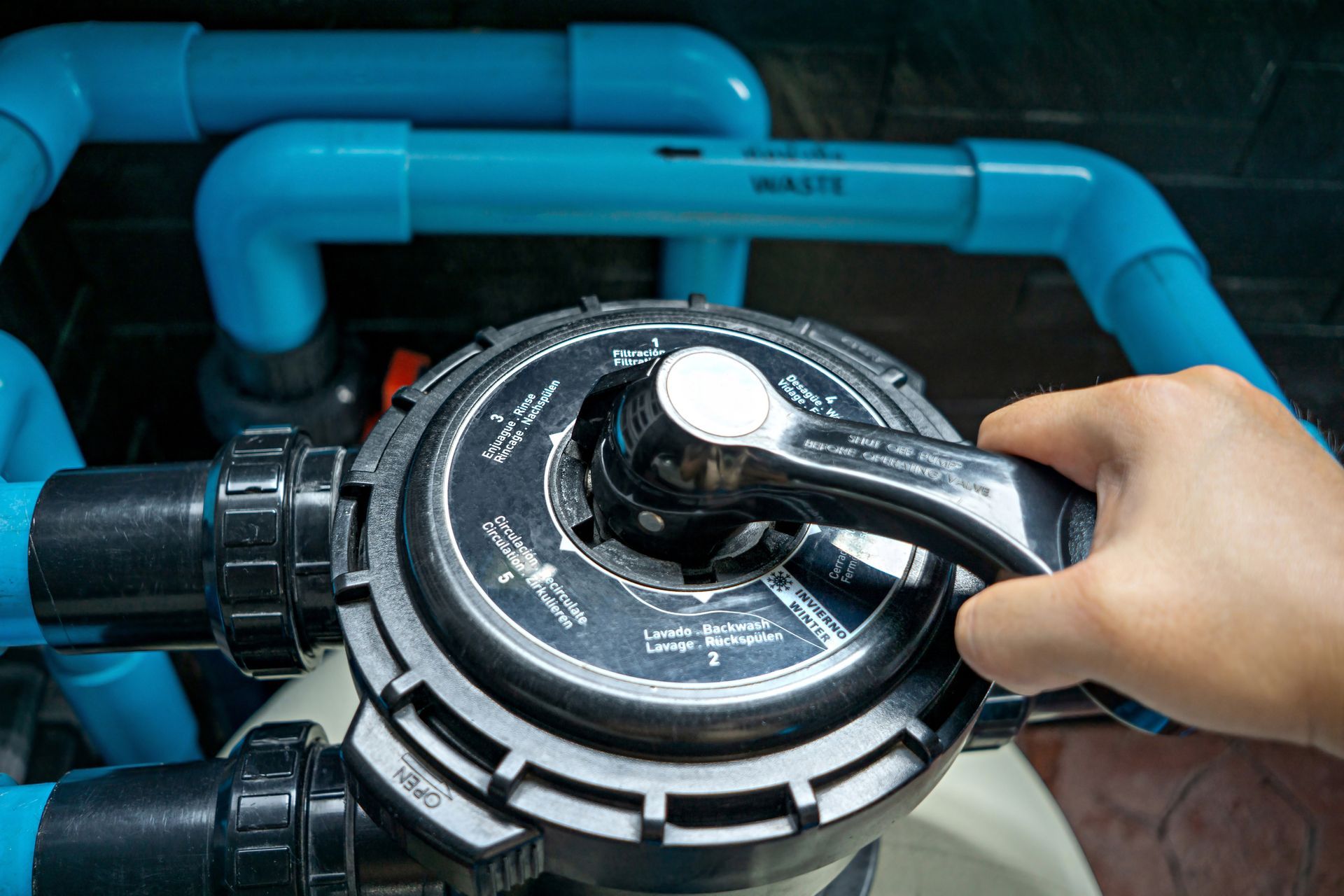
Backwashing is the process of reversing the flow of water through your pool filter to flush out trapped dirt and debris.
Under normal operation, water flows through the filter media, where contaminants are captured before clean water returns to the pool. As debris accumulates, the filter becomes less effective and pressure begins to rise.
Backwashing reverses the water flow, carrying trapped contaminants out through the waste line and cleaning the filter media.
Why Is Backwashing Important?
Routine backwashing helps:
- Maintain efficient filtration
- Improve water circulation
- Prevent excessive pressure buildup
- Extend filter life
- Improve water clarity
- Reduce strain on pool pumps and equipment
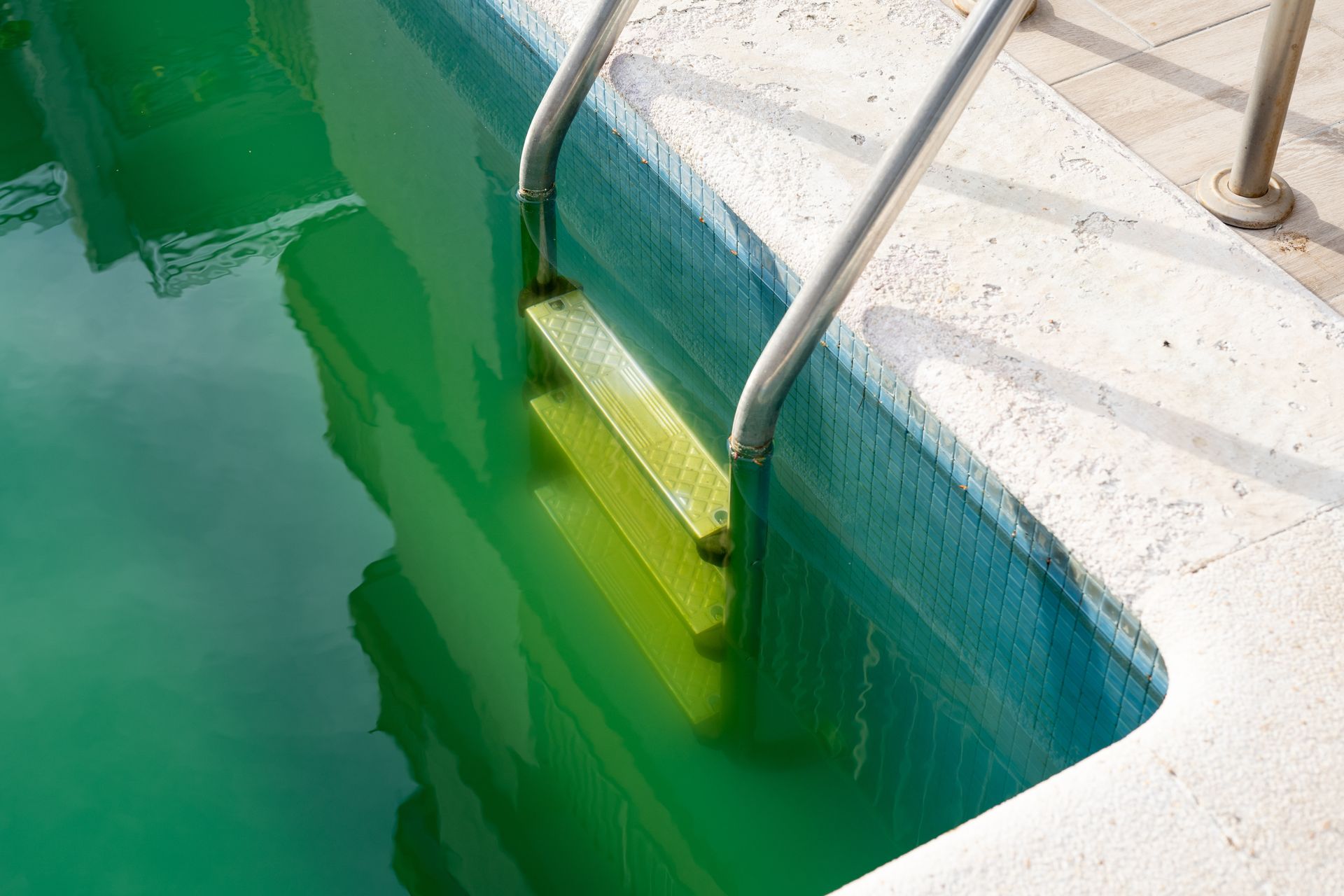
Without regular backwashing, a dirty filter can lead to cloudy water, poor circulation, and increased wear on your pool system.
How Often Should You Backwash a Pool Filter?
The frequency depends on pool usage, environmental conditions, and filter type.
As a general rule, backwash when:
- Filter pressure rises 8–10 PSI above the normal operating level
- Water circulation noticeably decreases
- Pool water becomes cloudy
- After heavy storms or significant debris accumulation
- Following algae treatment or pool clean-ups
Monitoring your filter pressure gauge is usually the most reliable indicator.
Which Pool Filters Can Be Backwashed?
Backwashing is typically performed on:
- Sand Filters - Sand filters are the most common type of filter that requires regular backwashing.
- DE (Diatomaceous Earth) Filters - DE filters can also be backwashed, although they typically require recharging with fresh DE powder afterwards.
- Cartridge Filters - Cartridge filters do not require backwashing. Instead, the cartridges must be removed and cleaned manually according to the manufacturer's recommendations.
How to Backwash a Pool Filter
Step 1: Turn Off the Pool Pump
Before adjusting any filter settings, switch off the pool pump completely.
Operating the multiport valve while the pump is running can damage internal components.
Step 2: Set the Valve to Backwash
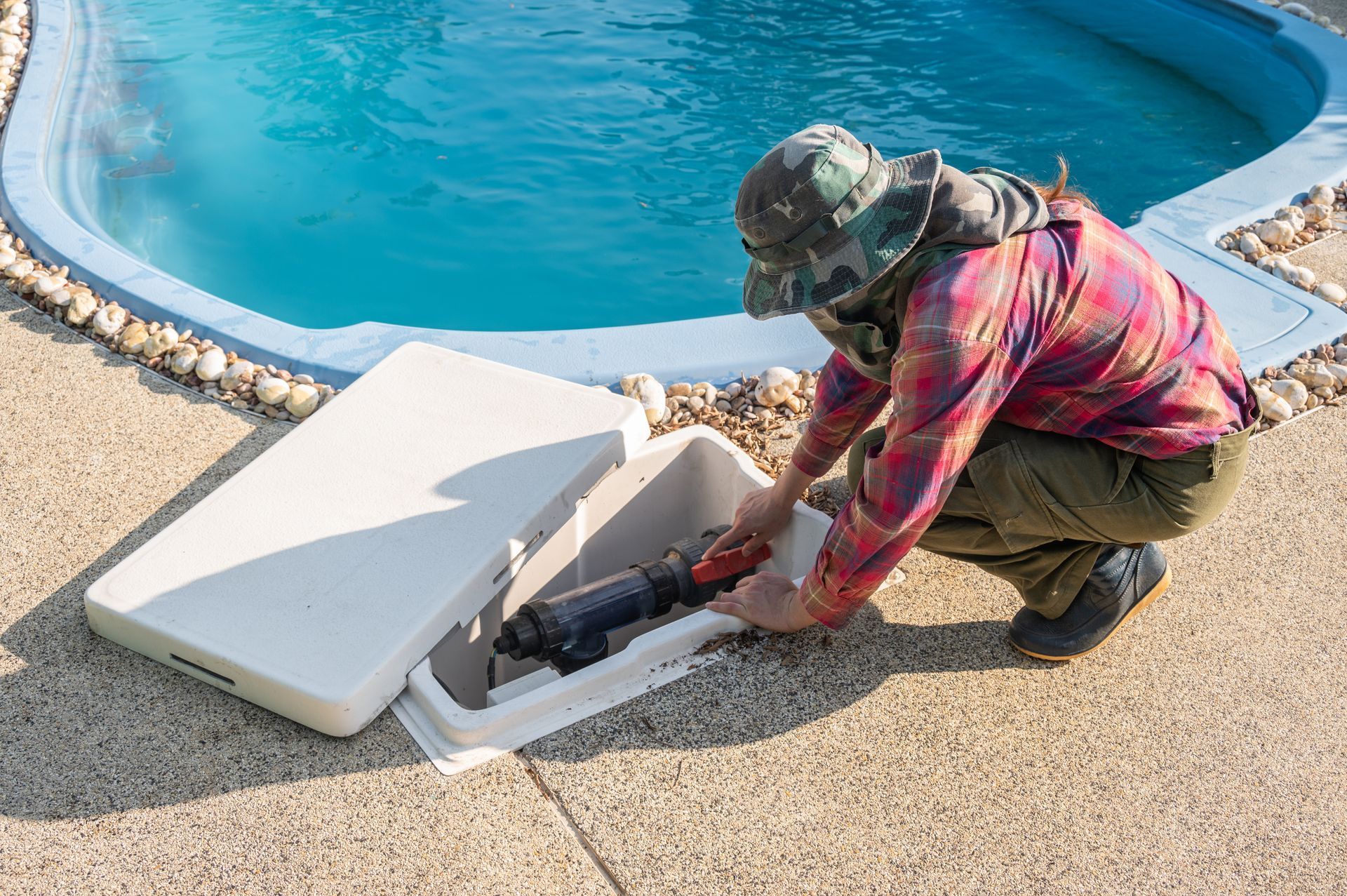
Locate the multiport valve on your filter and turn it to the "Backwash" setting.
Always ensure the pump remains off when changing valve positions.
Step 3: Turn the Pump On
Restart the pump and allow it to run in backwash mode.
You should see dirty water flowing through the waste line or sight glass.
Step 4: Continue Until Water Runs Clear
Run the backwash cycle until the water in the sight glass appears clean.
This typically takes between two and five minutes, depending on how dirty the filter is.
Step 5: Turn the Pump Off Again
Once the water is clear, switch the pump off before changing the valve setting.
Step 6: Set the Valve to Rinse
Move the multiport valve to the "Rinse" position.
The rinse cycle helps settle the filter media and prevents residual debris from returning to the pool.
Step 7: Run the Rinse Cycle
Turn the pump on and allow it to run for approximately 20–30 seconds.
Step 8: Turn the Pump Off
After rinsing, switch the pump off once more.
Step 9: Return to Filter Mode
Move the valve back to the "Filter" setting.
Step 10: Restart Normal Operation
Turn the pump back on and verify that the system is operating normally.
Check the pressure gauge and note the new clean-filter pressure reading for future reference.
How Much Water Is Lost During Backwashing?
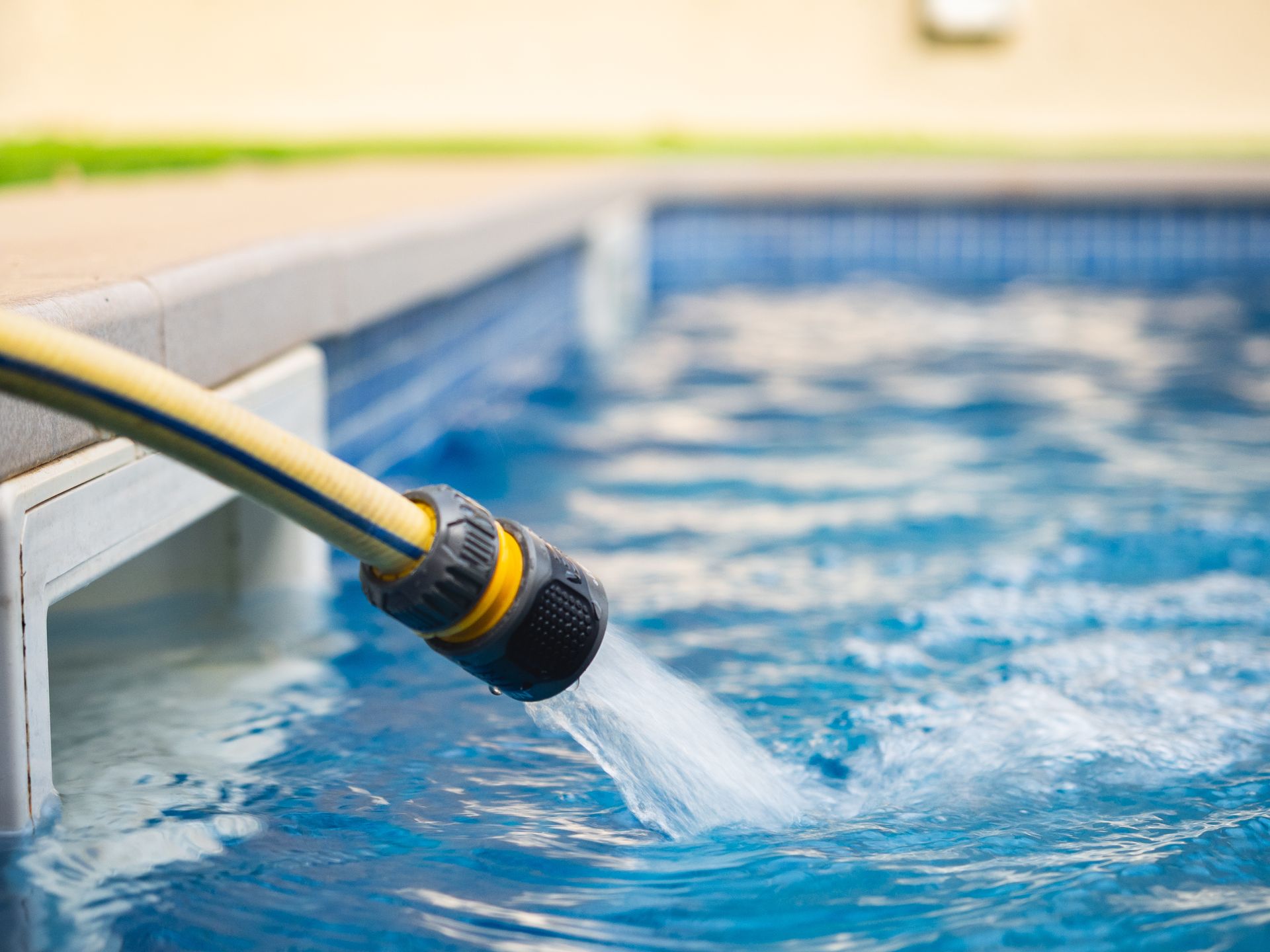
Backwashing removes water from the pool through the waste line.
Depending on the size of the filter and duration of the backwash cycle, you may lose a noticeable amount of water.
After backwashing:
- Check the pool water level
- Top up if necessary
- Retest pool chemistry
- Adjust chemicals if required
Maintaining the correct water level helps ensure proper skimmer performance and circulation.
Common Backwashing Mistakes to Avoid
Common backwashing mistakes include:
- Backwashing Too Frequently - While backwashing is important, doing it too often can reduce filtration efficiency, particularly with sand filters, which perform best when slightly dirty.
- Forgetting the Rinse Cycle - Skipping the rinse cycle can allow debris to return to the pool after backwashing.
- Changing Valve Positions While the Pump Is Running - This can damage the multiport valve and lead to costly repairs.
- Ignoring Pressure Readings - Relying solely on a schedule rather than monitoring filter pressure may result in unnecessary backwashing or reduced filtration performance.
Signs Your Pool Filter May Need Additional Attention
If backwashing does not improve performance, your filter may require servicing.
Potential issues include:
- Worn filter media
- Damaged laterals
- Internal valve problems
- Pump performance issues
- Excessive debris buildup
Professional inspection can help identify the cause and restore efficient operation.
The Importance of Proper Pool Circulation
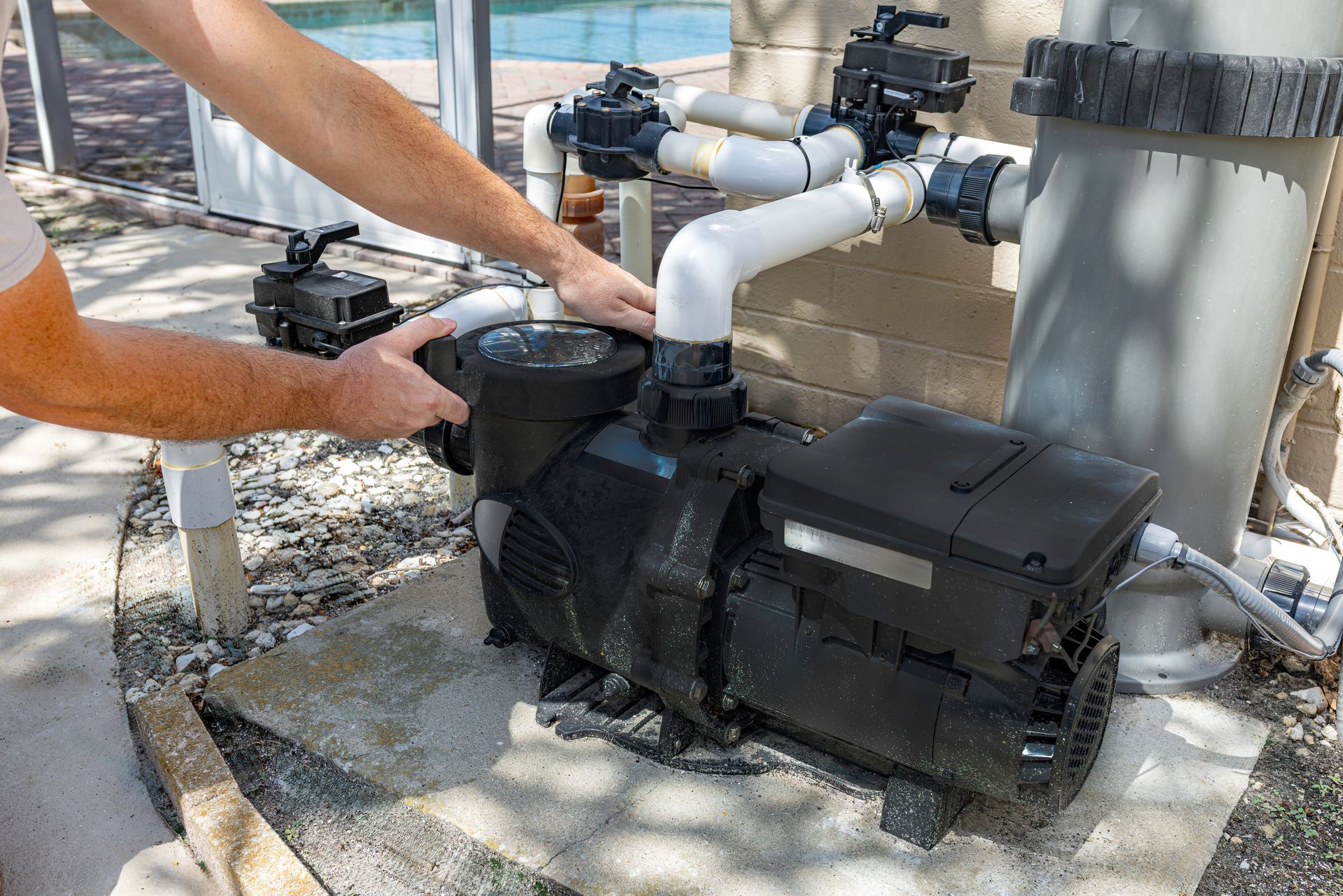
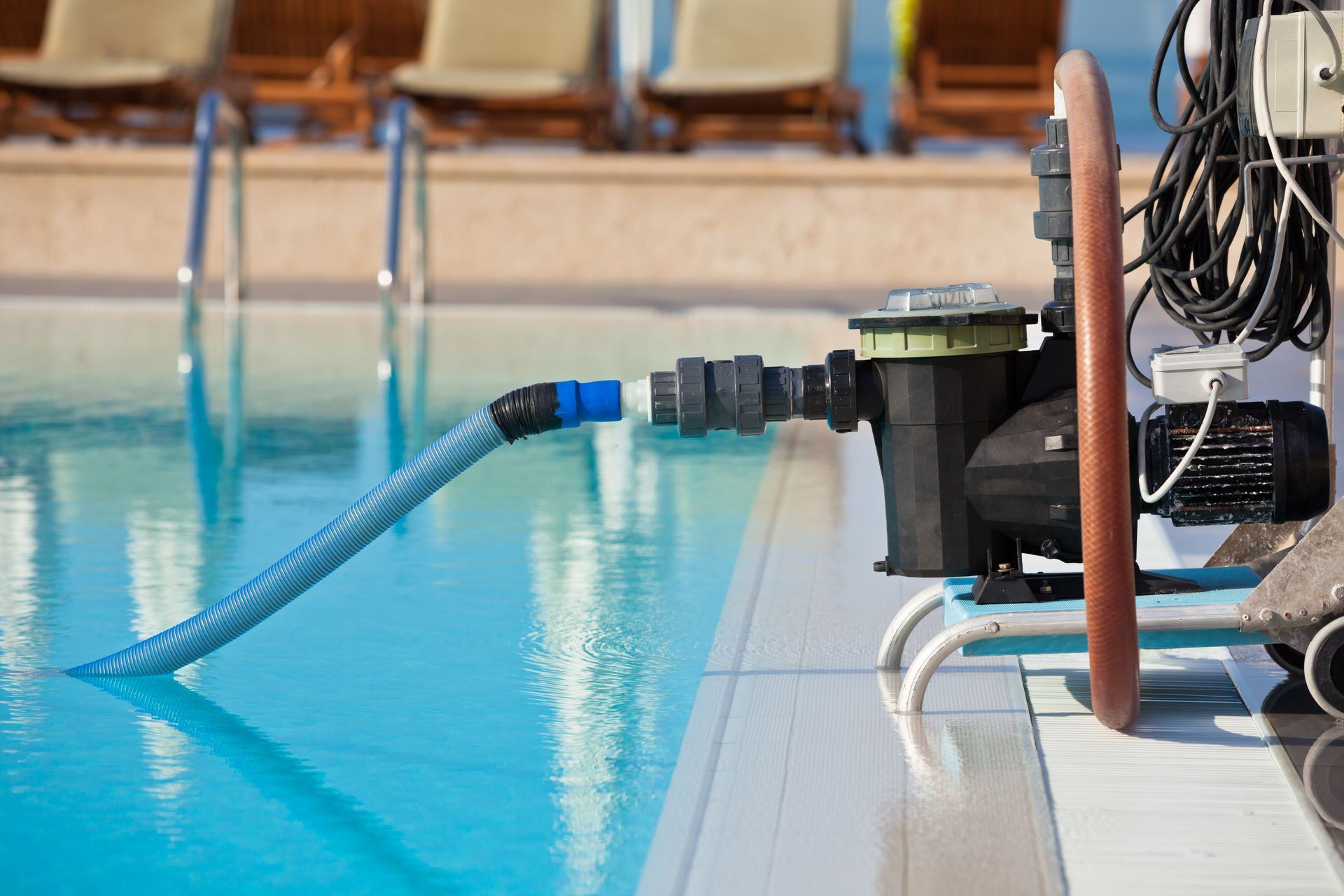
A clean filter is only one part of maintaining healthy pool water. Your pool pump, filtration system, and plumbing all work together to circulate water effectively.
Proper circulation helps:
- Improve water clarity
- Distribute chemicals evenly
- Reduce algae growth
- Support efficient filtration
- Protect pool equipment
Routine maintenance of your entire pool system helps ensure reliable performance throughout the swimming season.
Need Help Maintaining Your Pool Equipment?
Knowing how to backwash a pool filter correctly can significantly improve water quality and help keep your pool running efficiently. Regular maintenance, combined with a properly functioning pump and filtration system, is key to achieving clean and healthy pool water.
If you need advice on pool filters in Perth, the experts at Shenton Pumps are here to help. With extensive industry experience and a wide range of quality pool products, Shenton Pumps can help you keep your pool operating at its best.
Contact Shenton Pumps today for professional advice and reliable pool equipment solutions.