How Often Should You Service a Pool Pump?
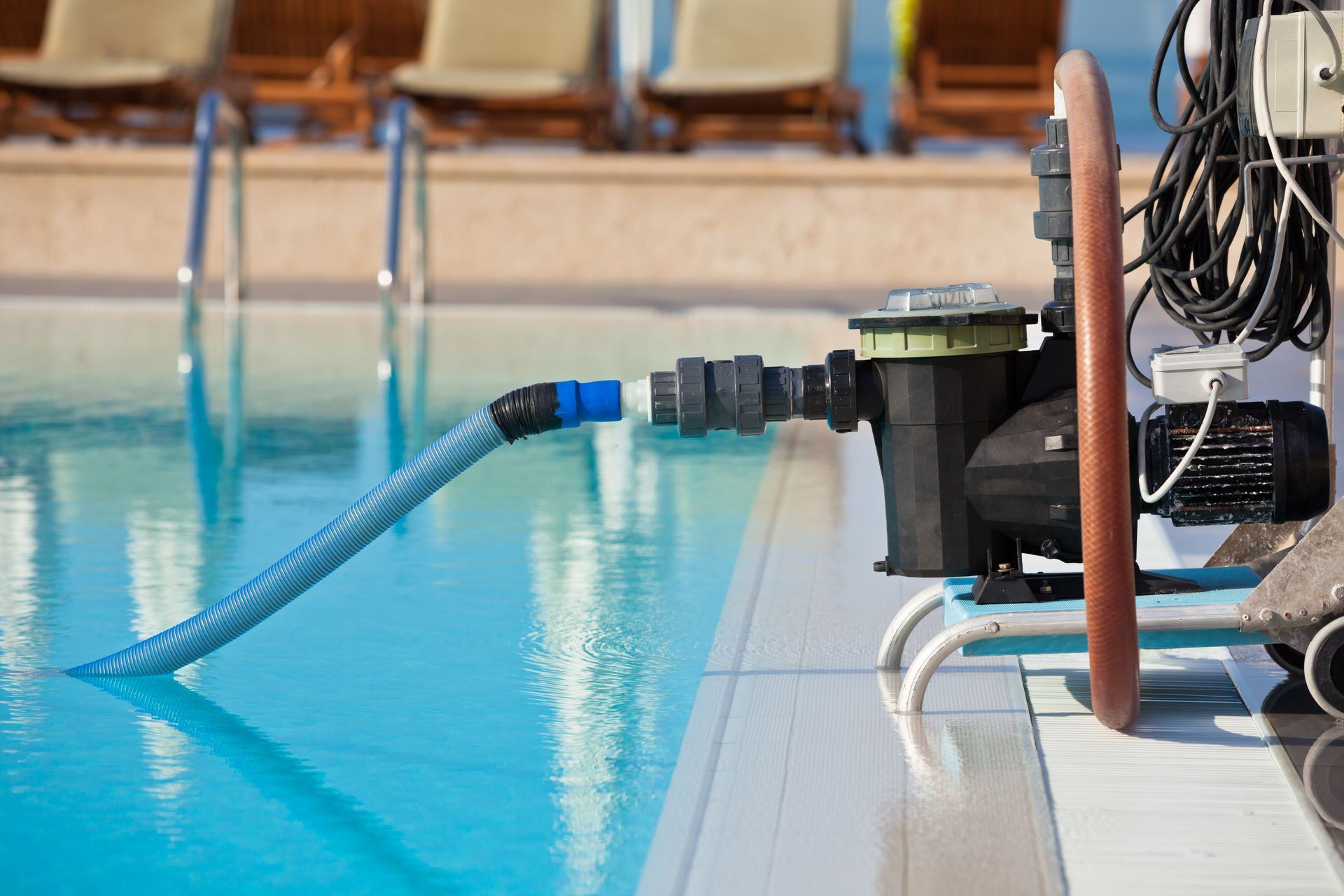
Pool Pump Servicing
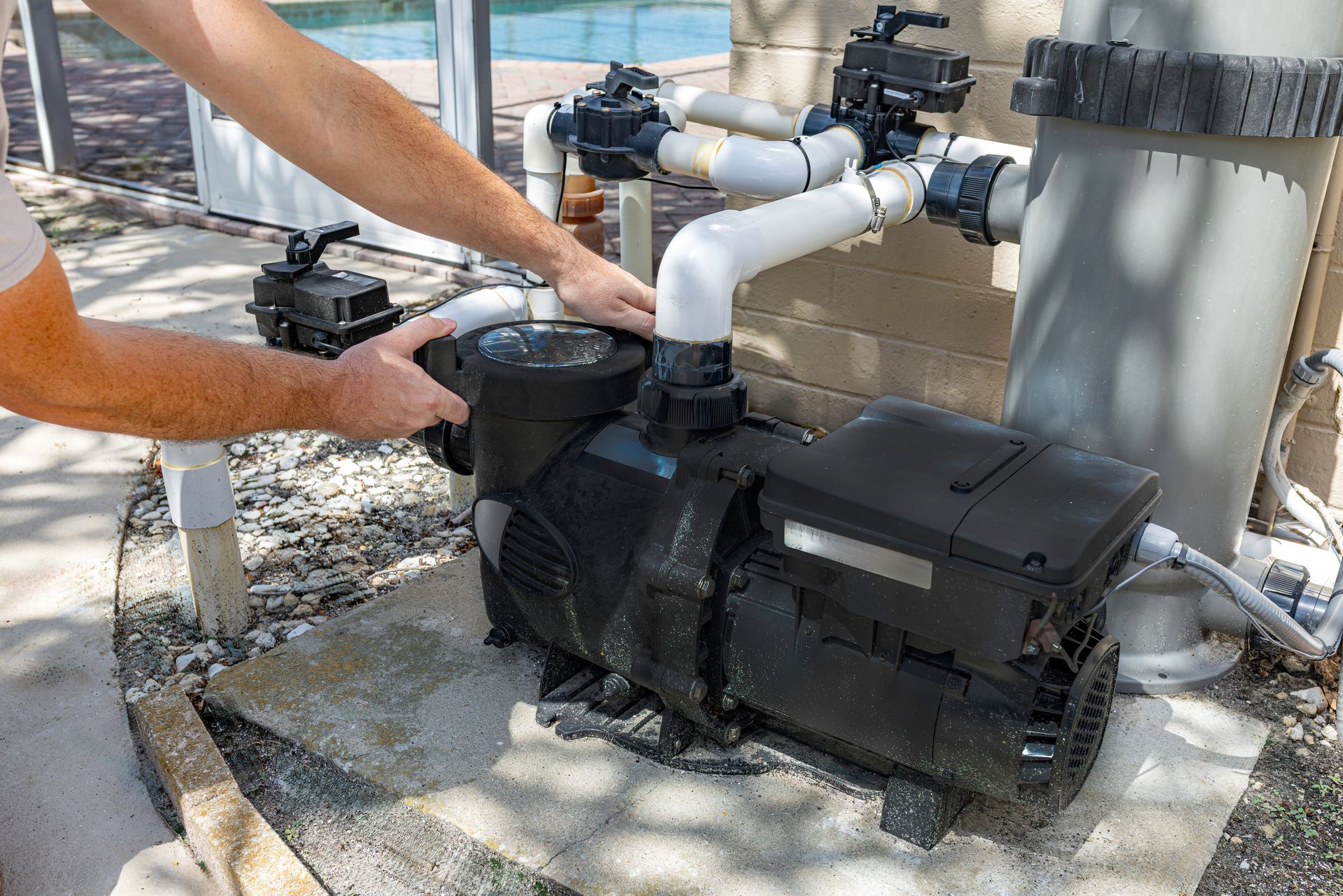
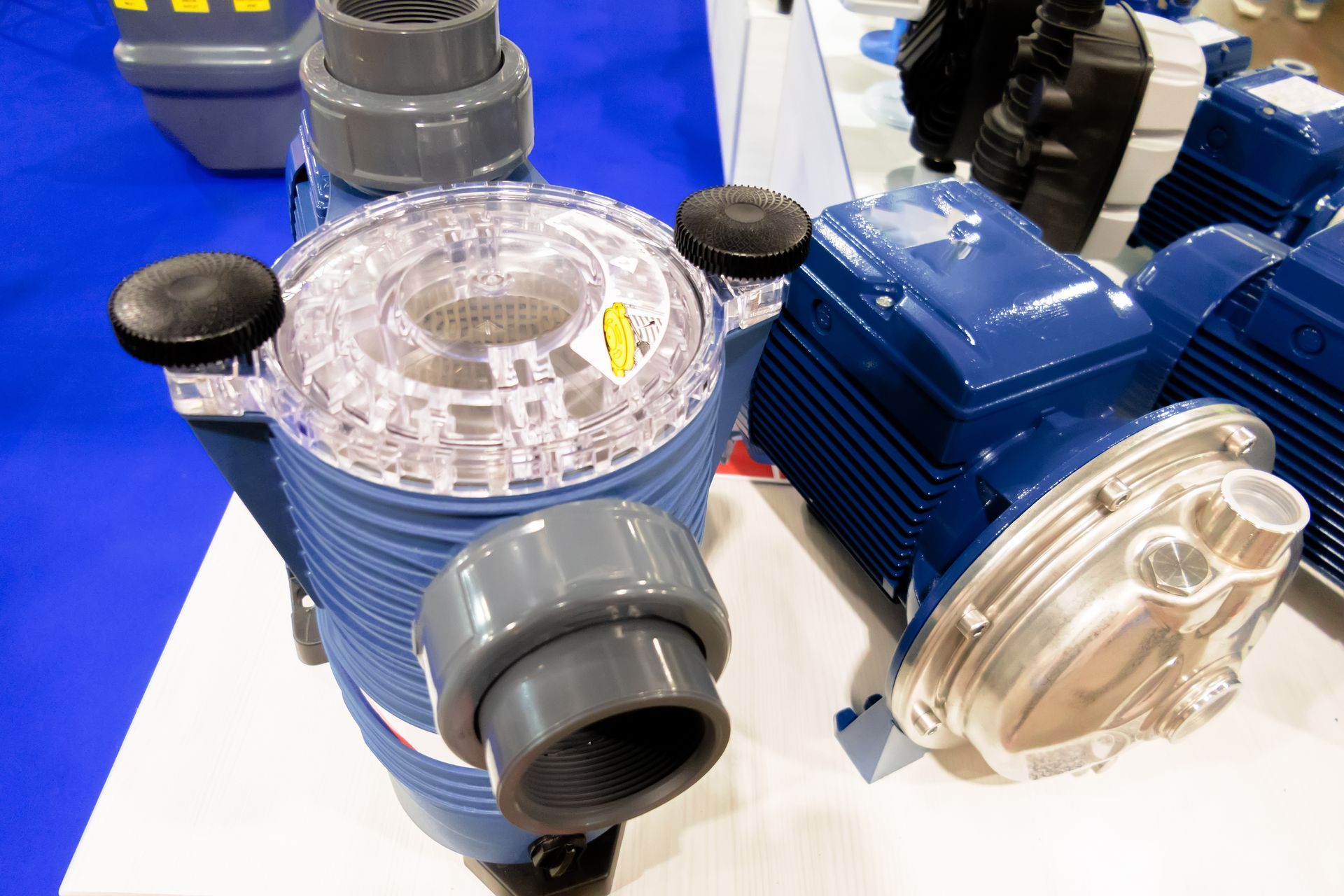
A swimming pool pump is one of the most important components of your pool system. It keeps water circulating, helps filtration systems work effectively, and supports healthy water chemistry. Without regular servicing, even a high-quality pool pump can lose efficiency, increase energy costs, and eventually fail prematurely. If you are wondering how often you should service a pool pump, the short answer is: most residential pool pumps should be professionally serviced at least once every 12 months, with regular inspections and maintenance checks performed throughout the year.
Why Regular Pool Pump Servicing Matters
Your pool pump operates for several hours every day, especially during warmer months in Australia. Over time, components can wear down due to heat, debris, moisture, and general use. Regular servicing helps identify small issues before they become expensive repairs.
Benefits of regular pool pump servicing include:
- Improved water circulation
- Cleaner and healthier pool water
- Lower electricity consumption
- Reduced risk of breakdowns
- Longer lifespan of the pump system
- Better filtration performance
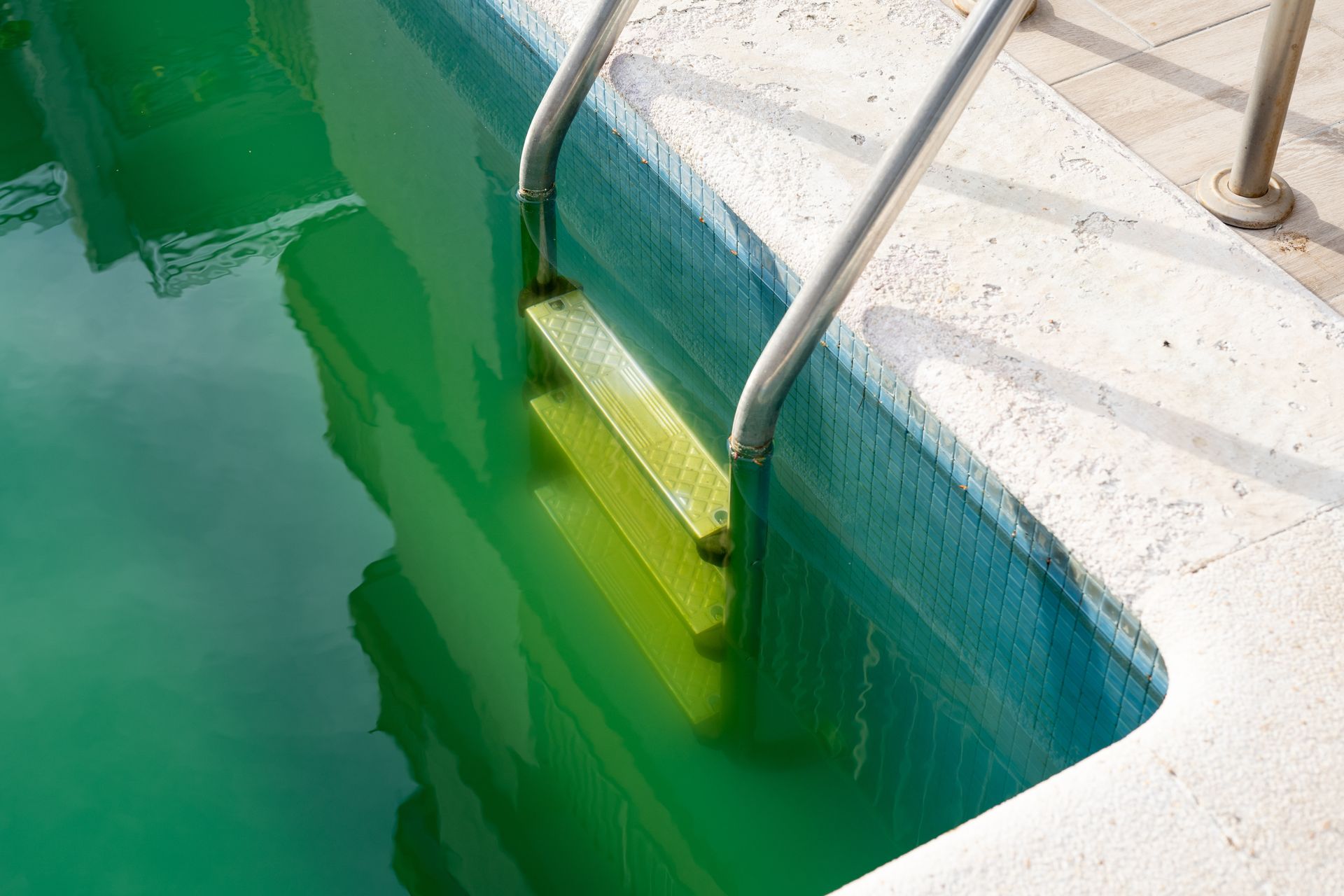
A properly maintained swimming pool pump also helps prevent common problems such as cloudy water, algae growth, unusual noises, and overheating.
How Often Should a Pool Pump Be Serviced?
For most households, a professional pool pump service is recommended every 12 months. However, some pools may require more frequent servicing depending on usage, environment, and equipment age.
Residential Pools - Most residential swimming pools should have a professional inspection at least once per year to ensure the system is operating safely and efficiently. The pump basket should be cleaned on a weekly basis to prevent debris build-up and maintain proper water flow. In addition, pump performance should be checked every few months to identify any early signs of wear or reduced efficiency before they develop into more serious issues.
High-Use Pools - Pools used frequently by large families, holiday rentals, or entertainment areas may require servicing every 6 months.
Commercial or Hotel Pools -
Commercial pools typically need more regular maintenance due to heavier usage and stricter health standards.
Signs Your Pool Pump Needs Servicing
Even if your annual service is not yet due, there are several warning signs that indicate your pool pump may need attention sooner.
Unusual Noises - Grinding, rattling, or screeching sounds can indicate worn bearings, motor issues, or internal debris.
Reduced Water Flow - Weak circulation may point to clogged filters, blocked pipes, or pump inefficiencies.
Higher Electricity Bills - An inefficient or struggling pump often uses more energy to maintain circulation.
Air Bubbles in the Pool - Visible bubbles from return jets may indicate an air leak in the pump system.
Pump Overheating - An overheating pool pump can shut down unexpectedly and may suffer permanent damage if ignored.
Water Leaks Around the Pump -
Leaks near seals or fittings should be addressed quickly to prevent larger mechanical failures.
What Is Included in a Pool Pump Service?
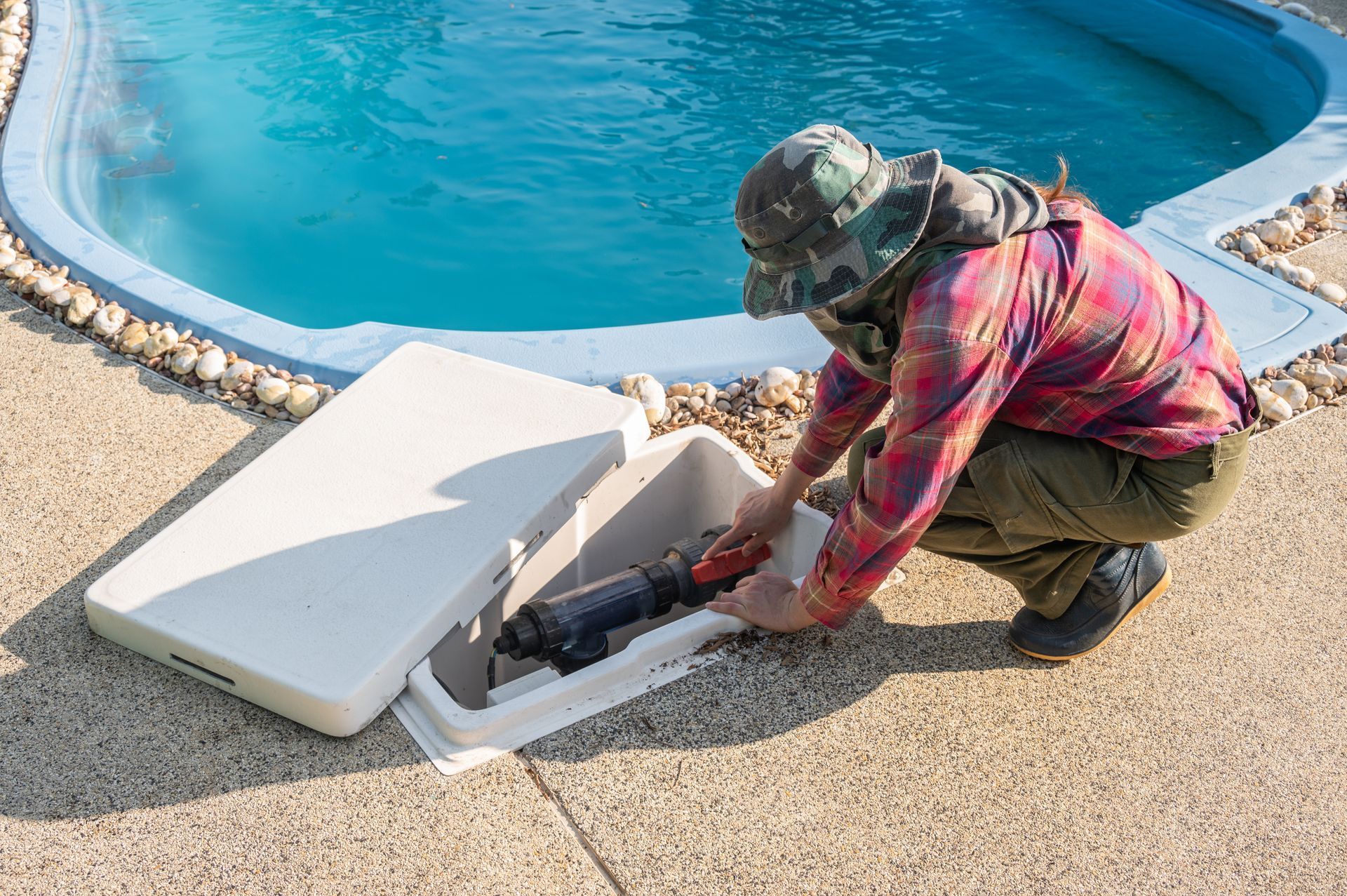
A professional pool pump service generally includes a full inspection of the system and maintenance of key components.
Typical servicing tasks include:
- Checking the motor and bearings
- Inspecting seals and O-rings
- Cleaning the pump basket
- Checking water flow and pressure
- Inspecting for leaks or corrosion
- Testing electrical connections
- Assessing filtration performance
Professional technicians can also identify early signs of wear that may not be visible to pool owners.
Pool Pump Maintenance Tips Between Services
Regular maintenance between professional services can help improve the efficiency and lifespan of your equipment.
Keep the Pump Basket Clean - Leaves and debris can restrict water flow and force the pump to work harder.
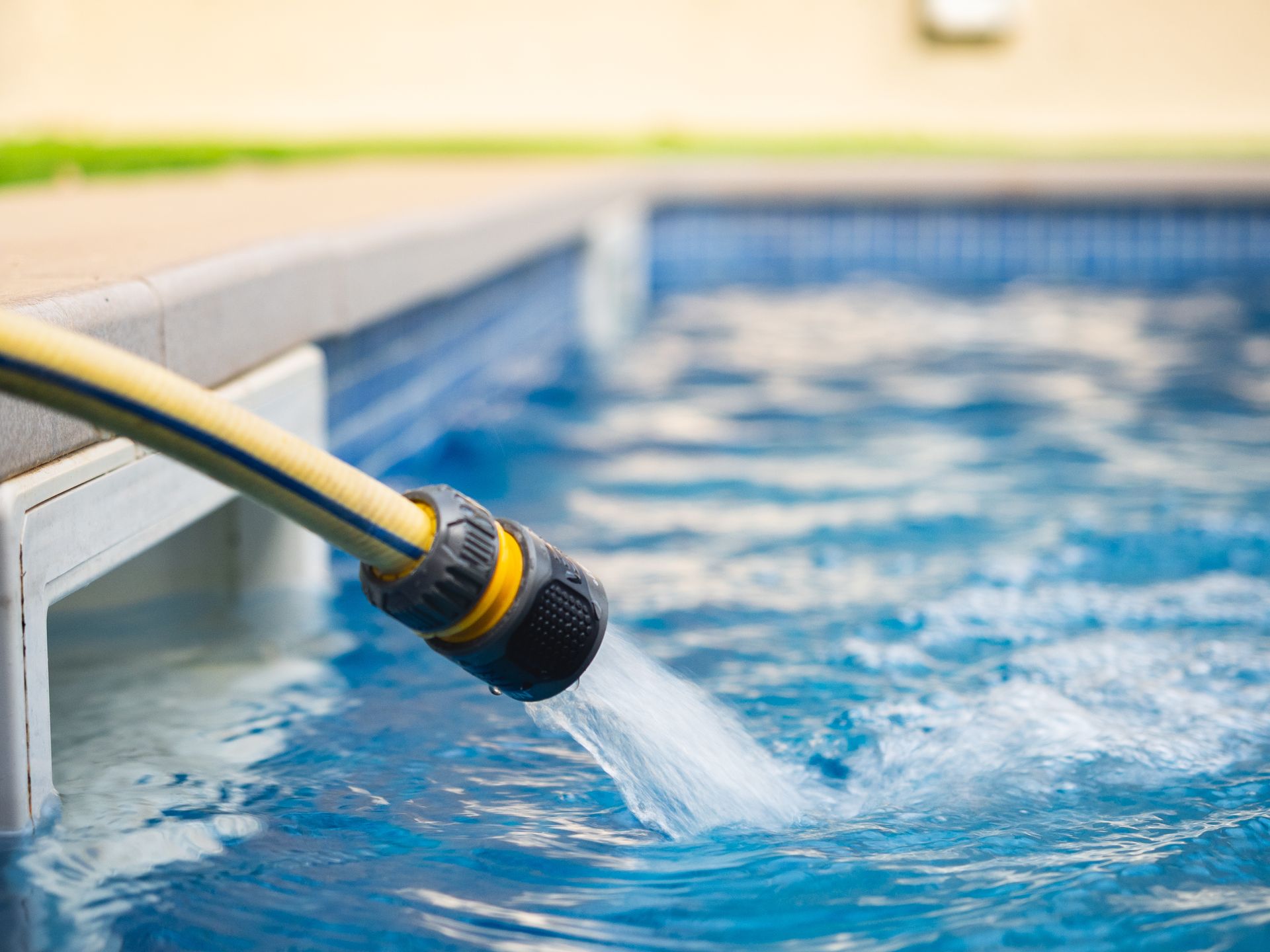
Monitor Water Levels - Low water levels can introduce air into the system and damage the pump.
Clean Your Pool Filter - Dirty filters increase pressure on the pump and reduce circulation efficiency.
Check for Leaks - Inspect around the pump area regularly for moisture or dripping water.
Run Your Pump Correctly -
During warmer months, most Australian pools benefit from running the pump between 6–10 hours daily depending on pool size and usage.
How Long Does a Pool Pump Last?
With proper servicing and maintenance, a quality pool pump can last between 8–12 years. Neglecting maintenance can significantly shorten its lifespan and lead to costly repairs or replacement. Investing in regular servicing not only protects your equipment but also helps maintain safe and clean swimming conditions year-round.
Should You Service a Pool Pump Yourself?
Basic maintenance tasks such as cleaning baskets and checking water levels can usually be handled by homeowners. However, professional servicing is recommended for electrical inspections, motor diagnostics, seal replacements, and performance testing. Attempting complex repairs without experience can potentially damage the system or create safety risks.
Keep Your Pool Pump Running Efficiently Year-Round
Regular pool pump servicing plays a major role in keeping your swimming pool clean, energy-efficient, and operating reliably throughout the year. For most homeowners, scheduling a professional service every 12 months alongside routine maintenance is the best way to prevent unexpected breakdowns and extend the life of your pool equipment. By staying proactive with servicing, you can enjoy cleaner water, lower running costs, and greater peace of mind during every swimming season.
If your
pool pump is showing signs of reduced performance or it’s due for routine maintenance, contact
Shenton Pumps for professional pool pump servicing and expert advice tailored to your pool system.