Should You Invest in a Salt Water Chlorinator for Your Outdoor Pool?

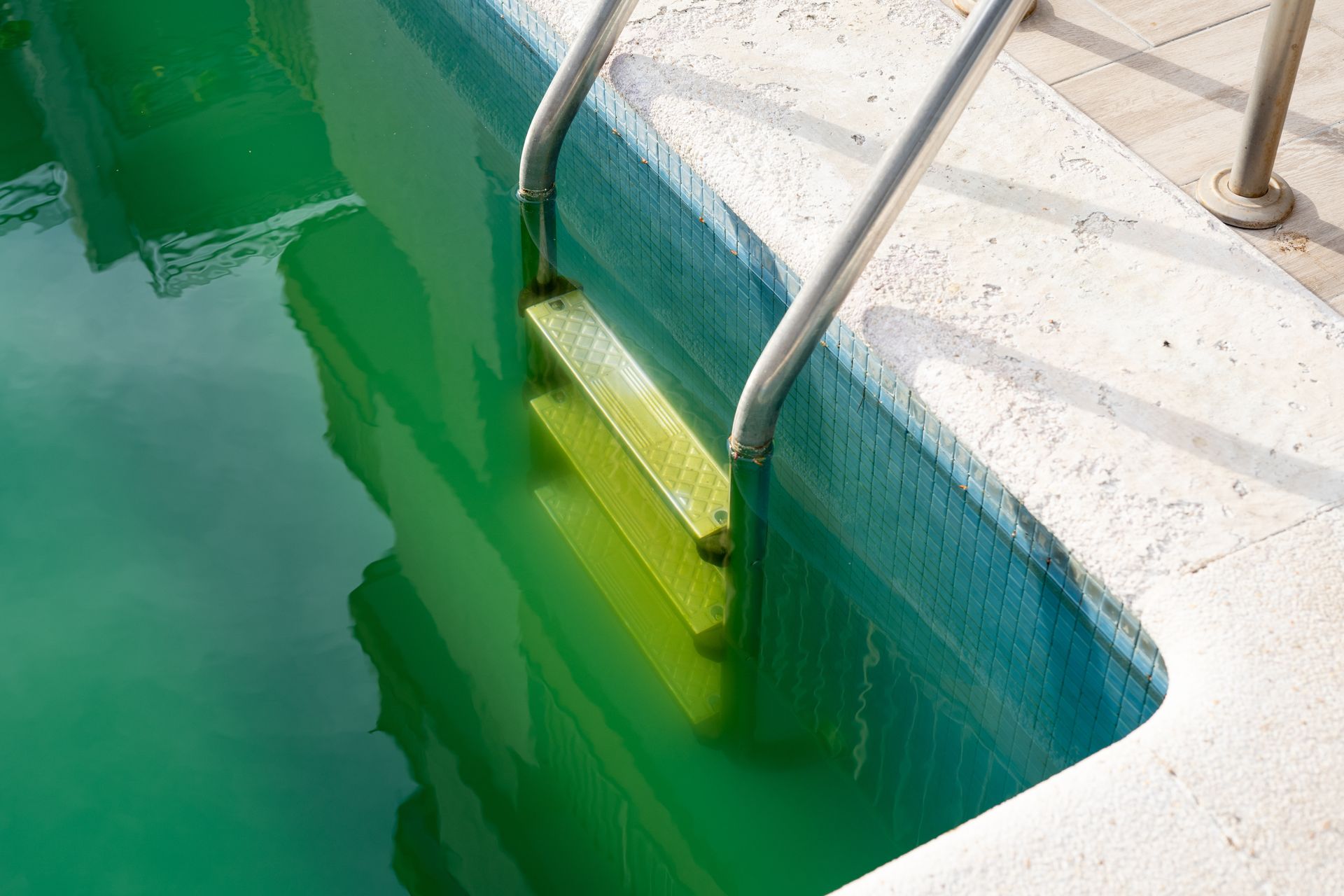
Keeping an outdoor swimming pool clean and sanitary is never easy, and outdoor pools are particularly vulnerable to contamination. The warm, moist environs of a pool provide a perfect breeding ground for many types of harmful bacteria and algae, which can be introduced into your pool water by falling leaves, wind-blown dirt, stray wildlife and other sources.
For many years, the only practical way to keep most outdoor swimming pools sanitary was by adding large quantities of chlorine to the pool water. While highly effective at killing all kinds of nasty microorganisms, pool chlorine is definitely unpleasant to work with, and can be very harmful if accidentally spilled.
Consequently, many owners of outdoor pools have ditched conventional chlorine tablets, powders and solutions, and instead choose salt water chlorinators to keep their pool water clean and safe. These unique devices have numerous advantages over conventional pool chlorine, and are well worth the investment for many outdoor pool owners.
What are salt water chlorinators?
Salt water chlorinators use a simple electrical phenomenon called electrolysis to transform sodium chloride, better known as common household salt, into chlorine.
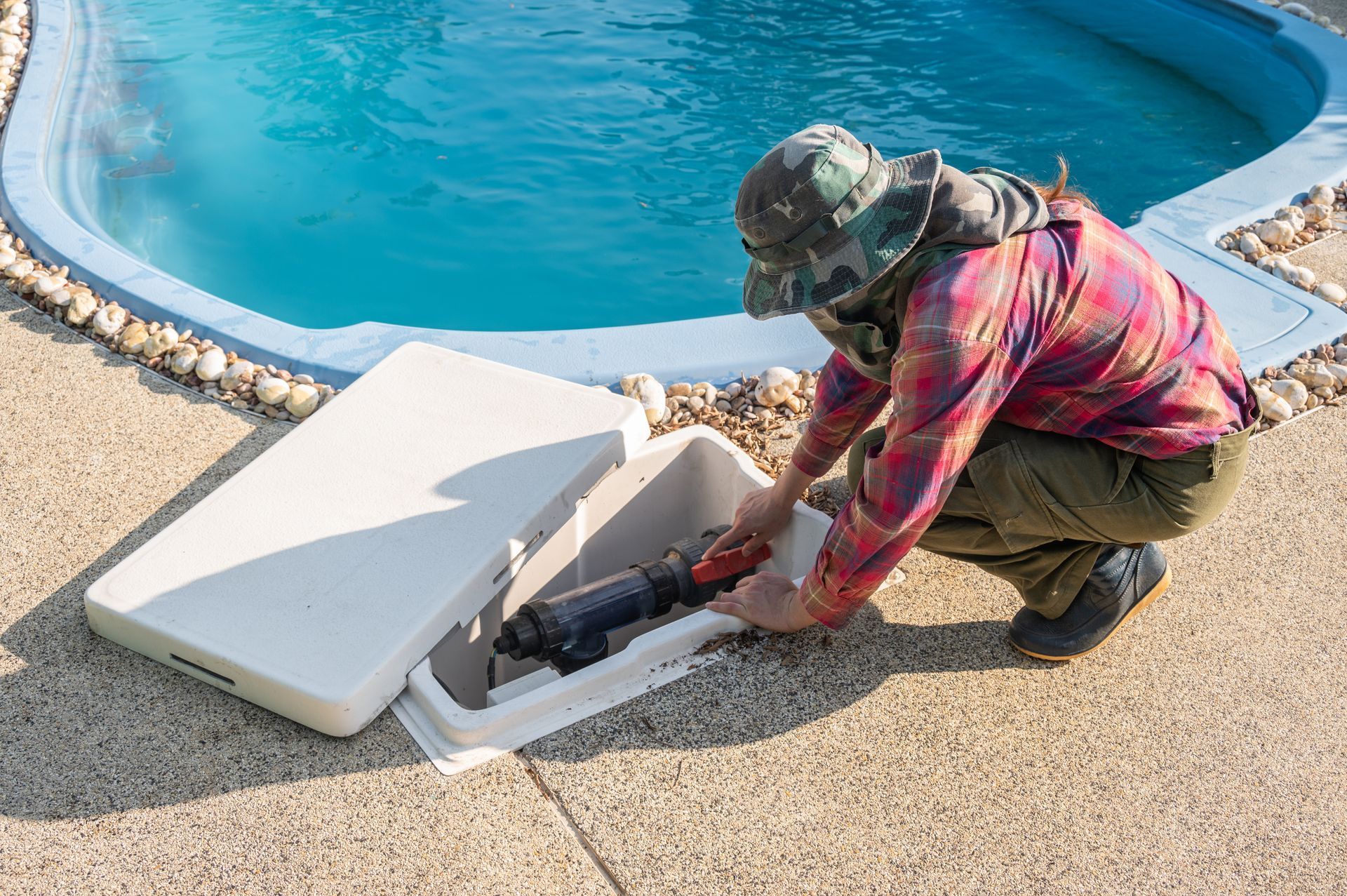
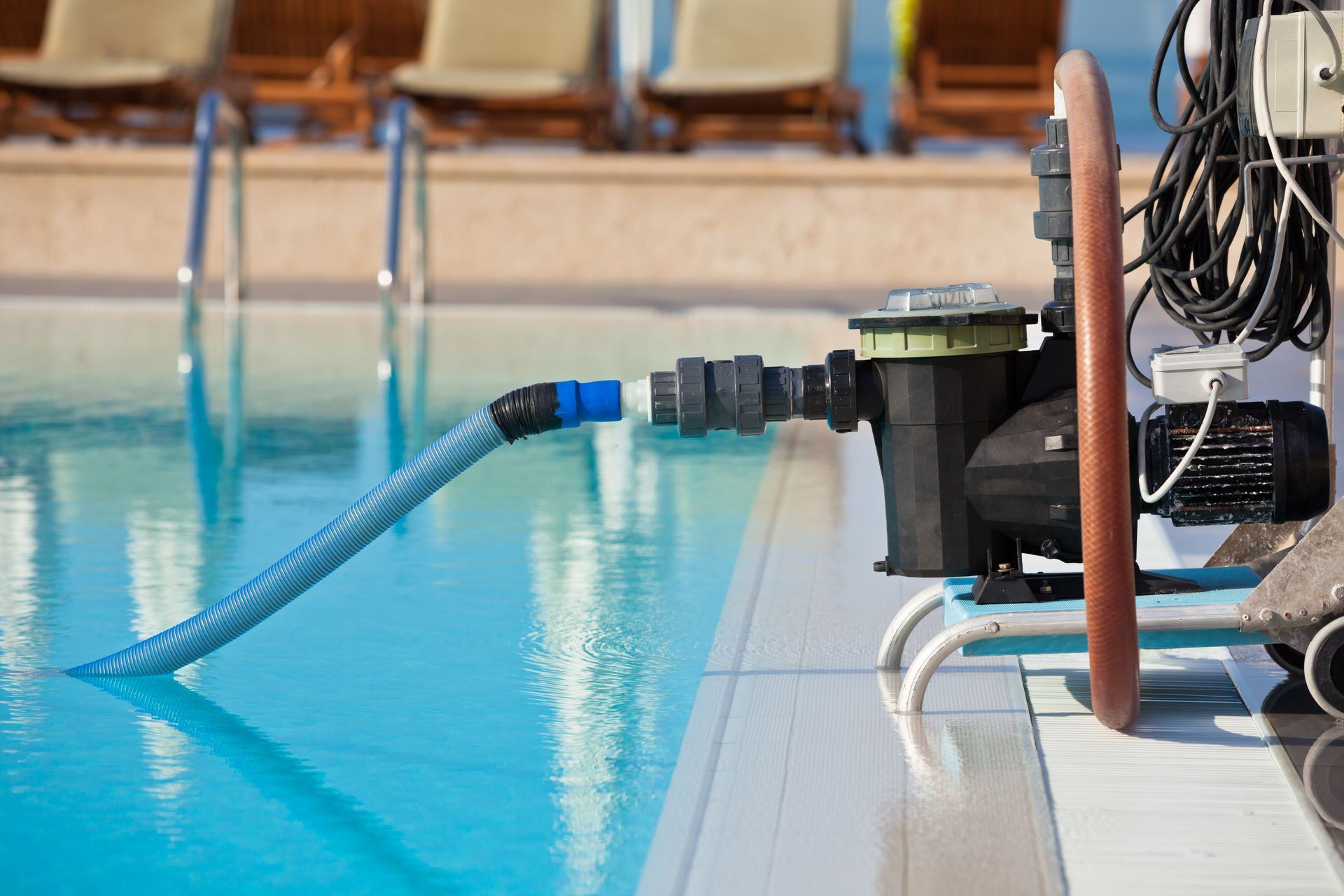
Salt water chlorinators consist of an electrical generator and a chlorination cell, and are installed in a swimming pool's pump and filter system. Common salt is then added directly to the pool water. As the salty pool water passes through the chlorinator, it is electrified by the generator, which causes it to react with the metal plates contained within the chlorinator.
This chemical reaction converts the dissolved salt into chlorine, and the newly chlorinated water is then released back into the pool.
What are the advantages of using salt water chlorinators in outdoor pools?
Safe and easy to use
Because salt water chlorinators only require a supply of salt and a low-power electrical supply to create chlorine, they are extremely safe to use. You will never have to handle any more toxic chlorine yourself, and accidentally spilling a bucket of salt over your forearm is definitely less painful.
Using a salt water chlorinator also eliminates the possibility of accidental chlorine overdose, which can cause eye and skin irritation in swimmers and can damage and discolour swimming costumes. They create chlorine at a slow, steady rate, and most models feature control boards that you can use to lessen or cut the supply of power to the chlorinator when pool chlorine levels get too high.
Environmentally friendly
Chlorine doesn't just kill bacteria and algae - it kills pretty much everything that is exposed to too much of it. if you accidentally spill your supply of pool chlorine, or your chlorine containers leak while they are in storage, the toxic chlorine can cause widespread contamination of the surrounding soil, and can also poison local groundwater supplies.
An investment in a salt water chlorinator is a much more environmentally friendly option, since they only require non-toxic salt to function. They also require very little energy to run, so they will not significantly increase your pool's energy consumption or carbon footprint.
Lower long-term costs
A high quality salt water chlorinator for your pool represents a significant investment, but one that will pay for itself over time, for one simple reason; salt costs significantly less than pool chlorine. Rock salt, which is the purest type of salt used in pools, costs a fraction of the price of basic pool chlorine, and owners of larger pools may save hundreds of dollars a year when they switch to salt water chlorination.
Get Expert Advice on Salt Water Chlorinators from Shenton Pumps
As you can see, there are many potential advantages to salt water chlorinators in outdoor pools. However, they are not suitable for all pools, and can even damage pools made from certain types of materials, so you should always seek expert advice before you invest in a chlorinator.
If you need advice, or want to know if your pool is compatible with salt water chlorinators, contact the experts at
Shenton Pumps