3 Ways to Keep Your Pool Free of Leaves
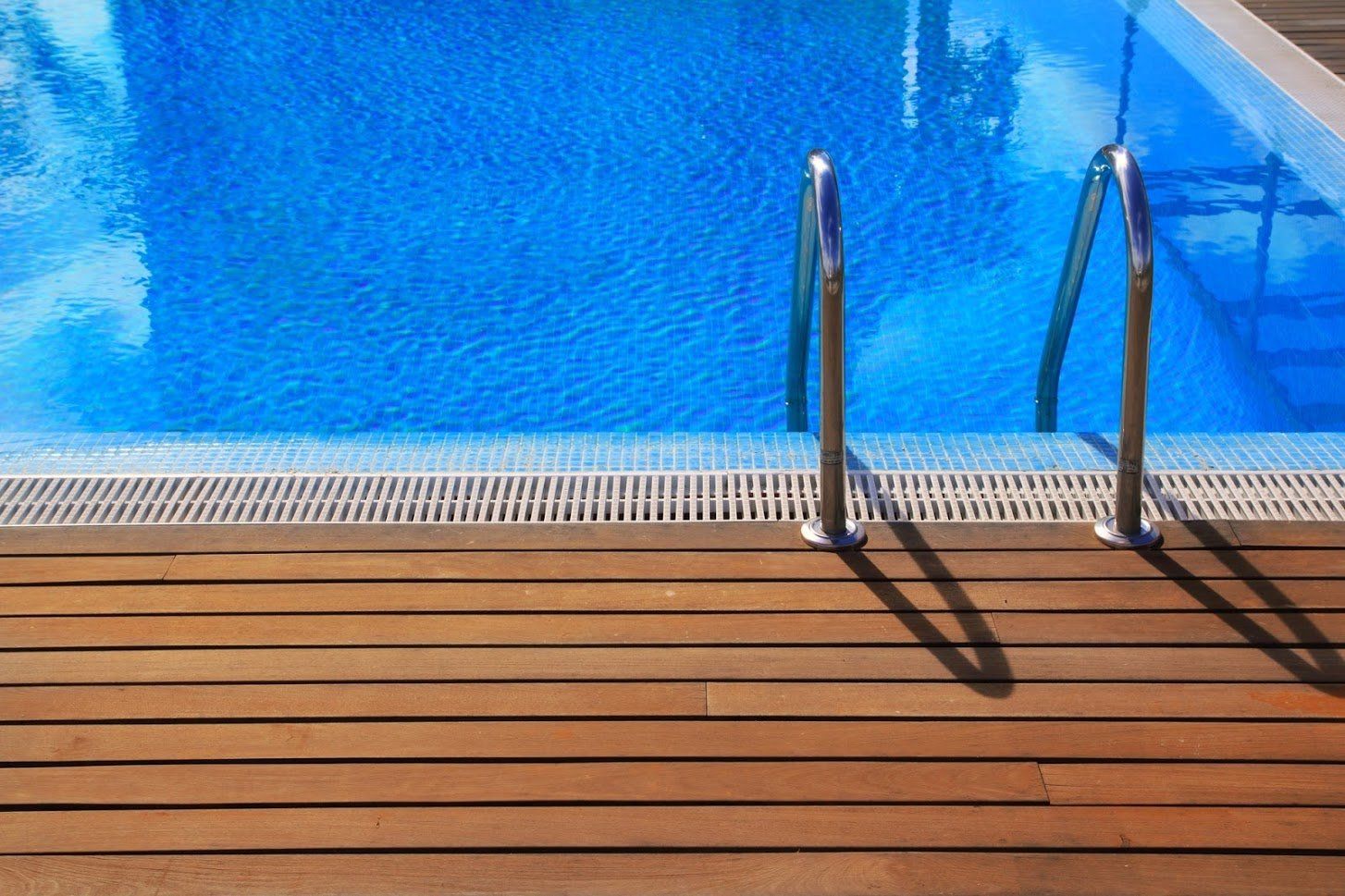
Few things ruin an afternoon swim quicker than wet, slimy leaves brushing against you as you paddle.
Unfortunately, fallen leaves and plant debris aren't just a problem for pools during the autumn season. Plants can drop leaves at any time of year for a variety of reasons. Here in Australia, for example, dry and hot weather can cause shrubs and trees to shed during the summer.
If your pool has filled up with leaves, twigs and other landscaping mess, discover three things you can do to keep them at bay.
1. Use better leaf cleaning tools
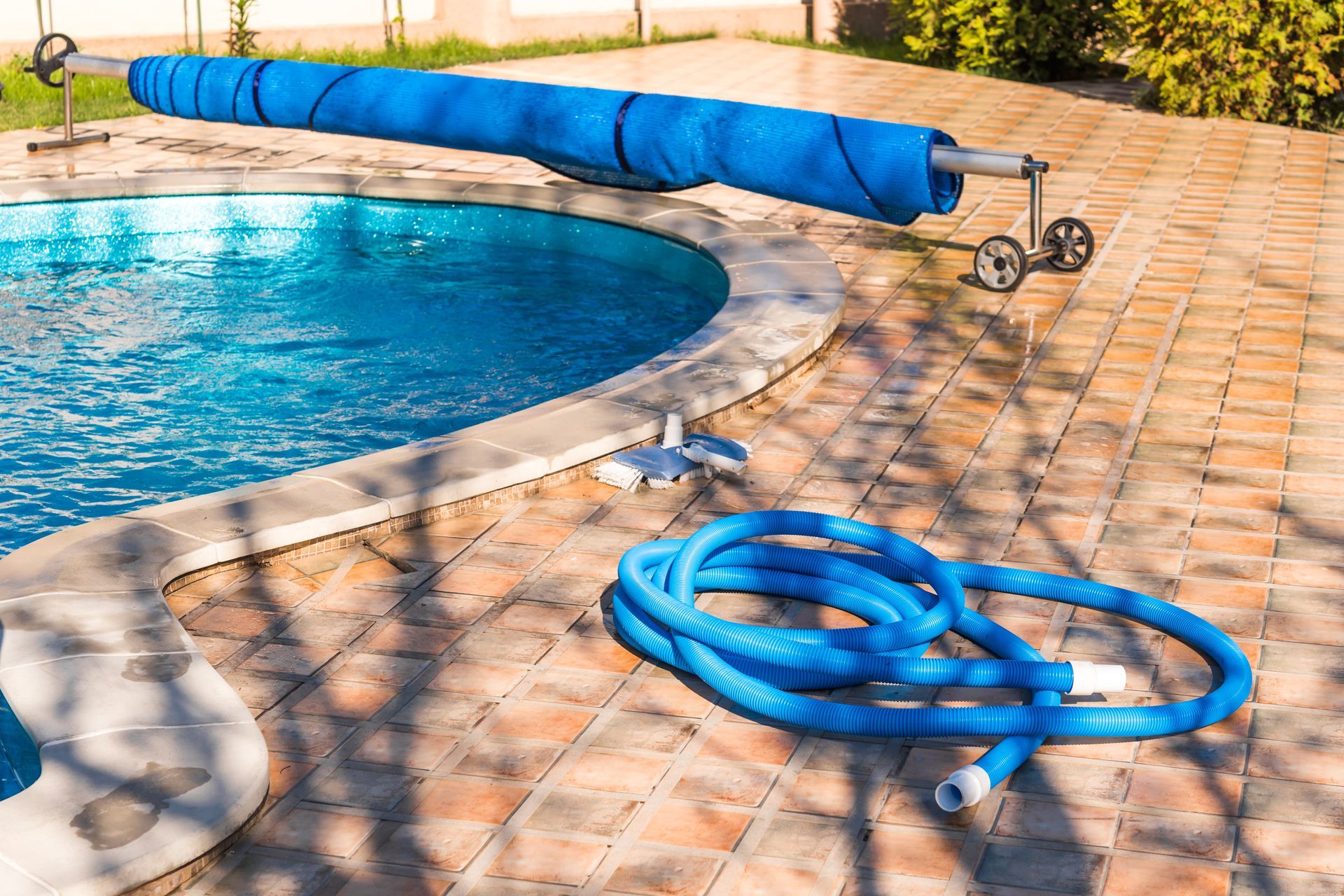
The most obvious way to keep your pool free of leaves is to skim them out regularly. Of course, if you have to deal with heavy leaf shedding or you only clean your pool once or twice a week, it can take hours to clear away all the leaves with a typical skimmer net.
When you use better leaf cleaning tools, you'll be able to keep your pool clear with minimal daily effort. Consider investing in a pool leaf rake. Leaf rakes are similar to skimmer nets, but they're much larger and deeper, gathering more leaves with each sweep. Leaf rake nets also let water pass through more smoothly that skimmer nets, so you won't have to deal with the pesky problem of creating waves that only push the leaves further away.
If you have a lot of leaves on the bottom of your pool, you'll also benefit from a leaf vacuum (sometimes known as a leaf eater). Leaf vacuums have jets that you can power using your garden hose or your pool cleaner pump. These jets create suction that pulls leaves into the net bag and packs them in tightly, allowing you to clear the bottom of your pool in record time.
The best way to vacuum leaves would be to utilise a robotic cleaner in the pool that vacuums the leaves into its own canister. Just throw one in at night, and the pool will be clean after two or three hours. This will not clog up the skimmer box since it has its own canister, and robotic cleaners can filter the water as they are vacuuming, independent of the filter and pump system.
2. Use a net pool cover
Like most pool owners, you probably use a heavy pool cover to keep leaves and other debris out of your pool when it's not in use. While you can technically use a cover like this all year round, they're generally too cumbersome to remove every time you want to swim.
That's where leaf net pool covers come in handy. These pool covers are made from a fine mesh fabric that prevents leaves from getting in your pool much like a winter pool cover. However, unlikely a winter pool cover, net covers are very lightweight, and rainwater can't settle on top of them. This makes removing and replacing the cover each day nothing more than a few minutes' work.
3. Plant pool-friendly landscaping
Of course, prevention is always better than a cure. If you're tired of skimming your pool or relying on pool covers, it may be best to revamp your landscaping with new, pool-friendly plants.
Common garden foliage like azalea flowers and cherry blossom trees may look beautiful, but they constantly shed flowers and drop leaves that will blow into your pool.
Instead, you'll want to opt for plants with minimal leaf drop. Some attractive tree options for your yard that won't shed into your pool include citrus trees, palm trees and Japanese maple trees. Succulents are another pretty alternative. And if you don't want to get rid of your other plants entirely, you can always move them to your front yard or separate your landscaping from your pool with a retaining wall.
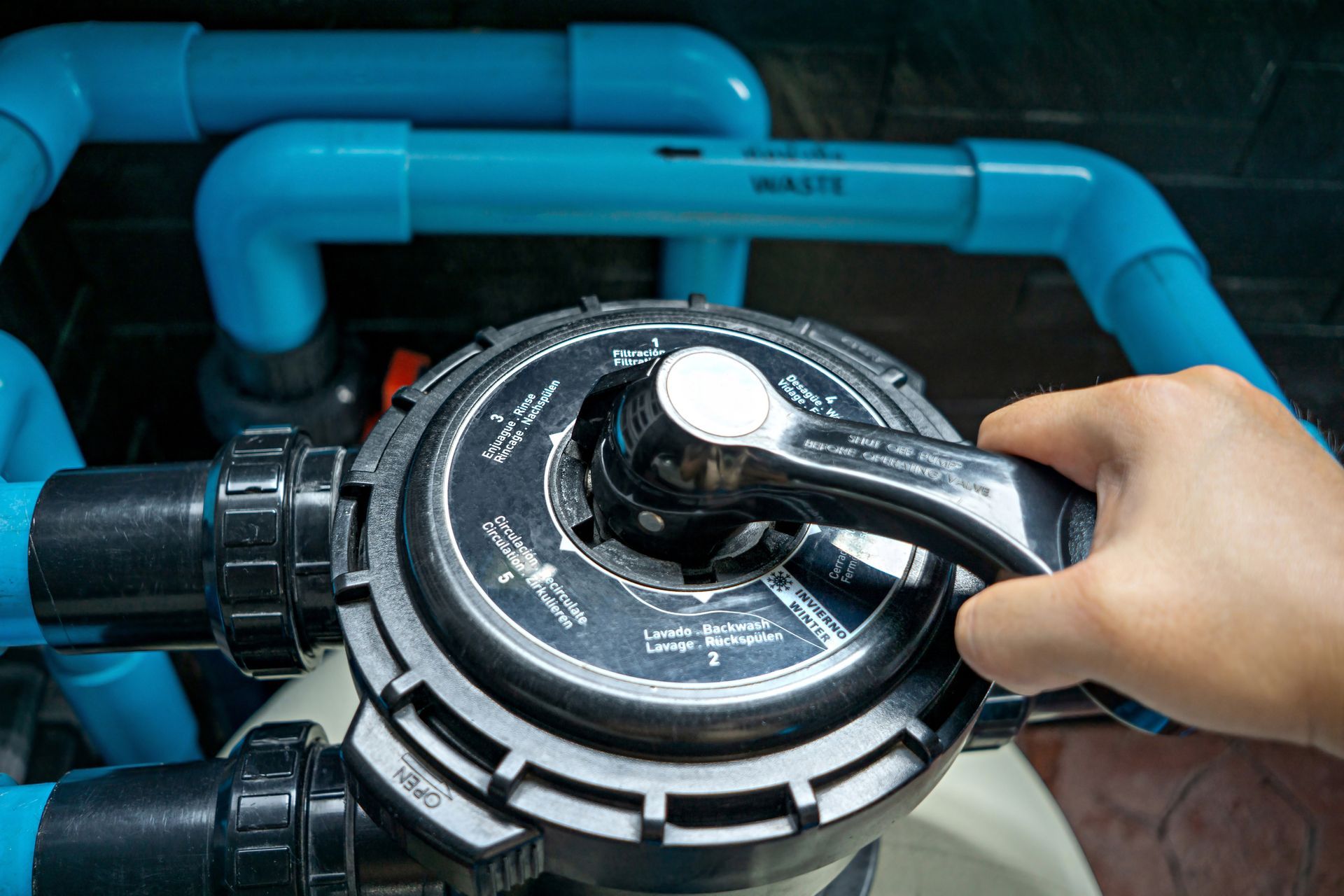
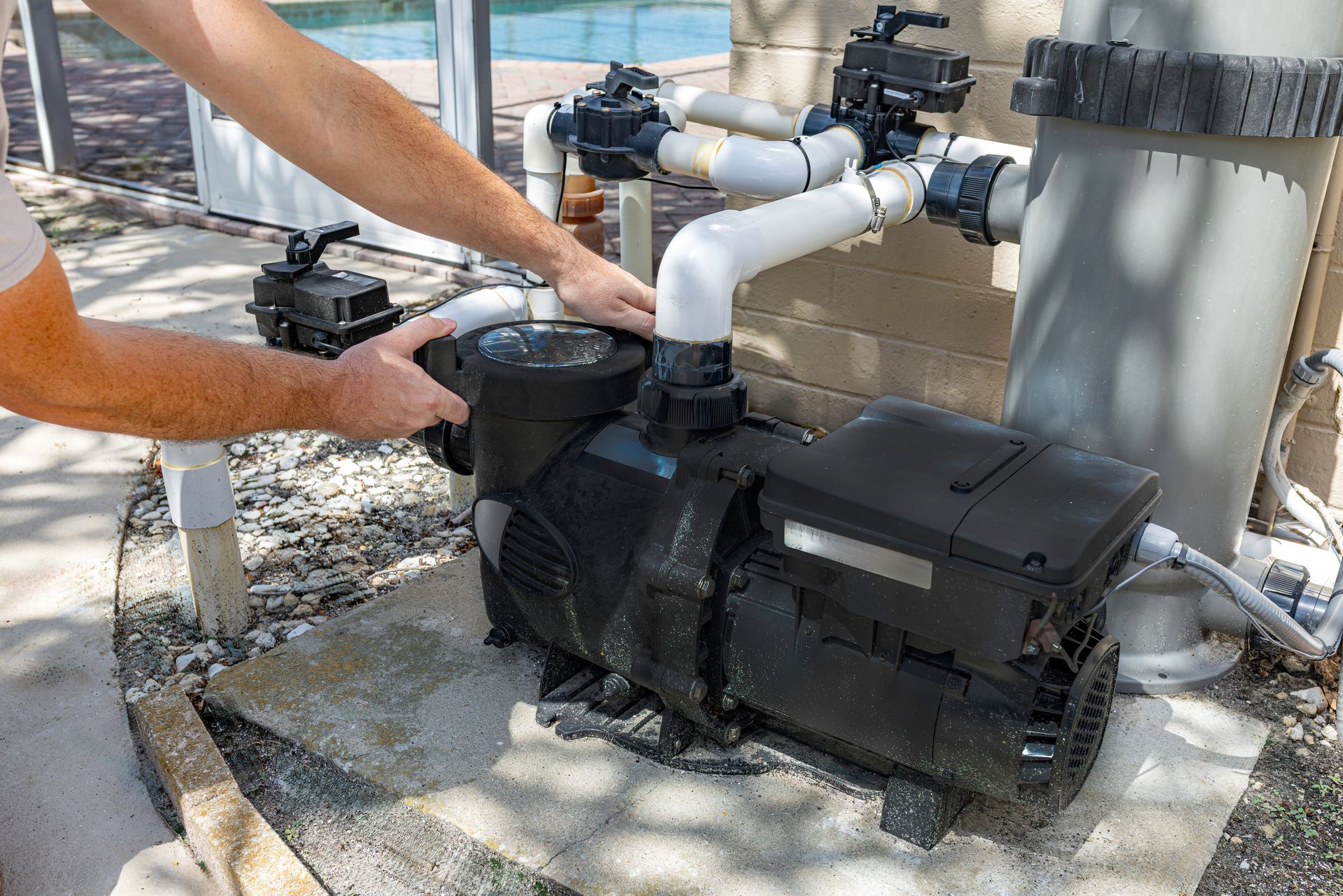
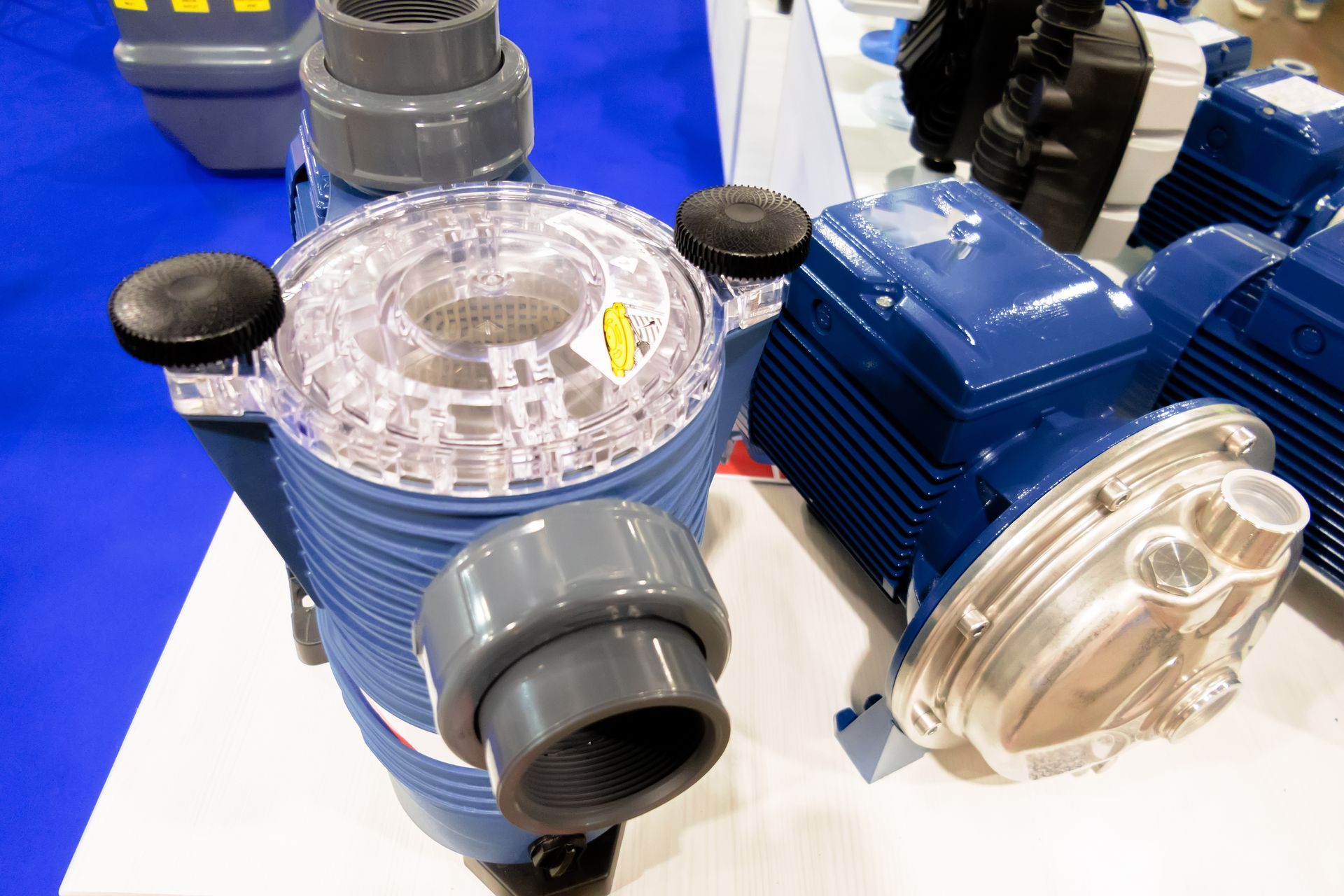
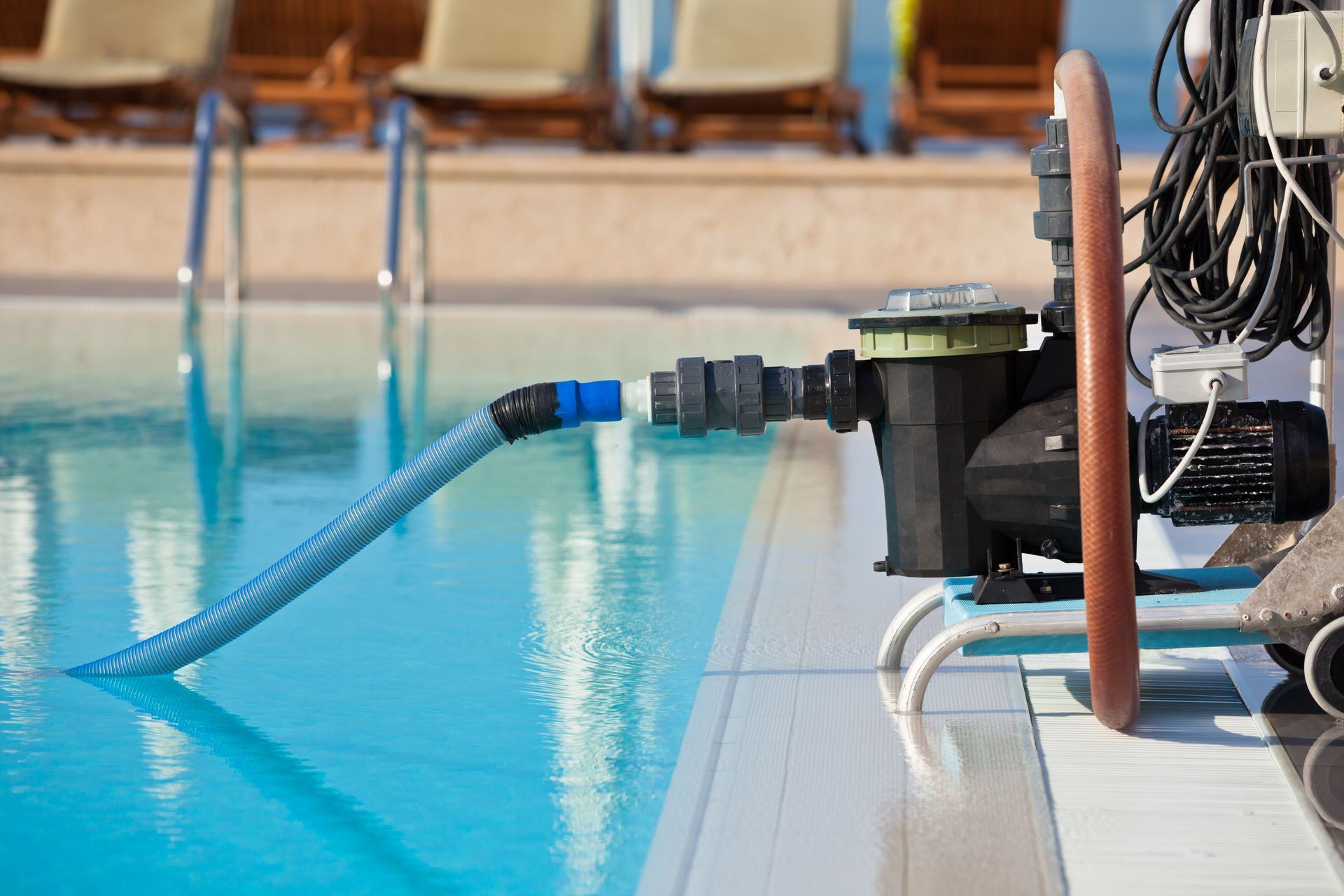
Keeping your pool clean is always essential for a great swimming experience. Alongside taking steps to keep leaves at bay, make sure you have a working pump that's suitable for your pool. For a wide range of high-quality pool pumps and other essential equipment, check out Shenton Pumps.