3 Reasons Why Your Swimming Pool Is Foamy

If you've noticed a layer of white foam or bubbles forming on the surface of your swimming pool, it's natural to be concerned. The good news is that this foam is rarely anything dangerous, but it still makes pools look unclean, and it can feel uncomfortable to swim in.
The best way to get rid of foam in a swimming pool is to prevent it from forming in the first place. Of course, you can only take preventative measures if you know what's causing those bubbles. Here are three possible reasons why your pool is full of foam.
1. You're Swimming Without Showering
One of the most common reasons why home pools get foamy is because swimmers often enter them without showering first. On a day-to-day basis, your body is covered in residue from a variety of products. Shampoo, deodorant, lotions and laundry detergent are just a few of the home and body formulas that leave behind residue after you use them.
These products foam up when mixed with water in a bathroom or laundry room, so why would it be any different in your pool? To avoid introducing this residue to your pool water, make sure you and your children always rinse off quickly in the shower before heading into the pool. Ideally, you should shower with your swimwear on to wash away any laundry residue left on it.
If you like to swim often, you may want to get an outdoor shower installed in your pool area to make life easier.
2. You're Using the Wrong Algaecide
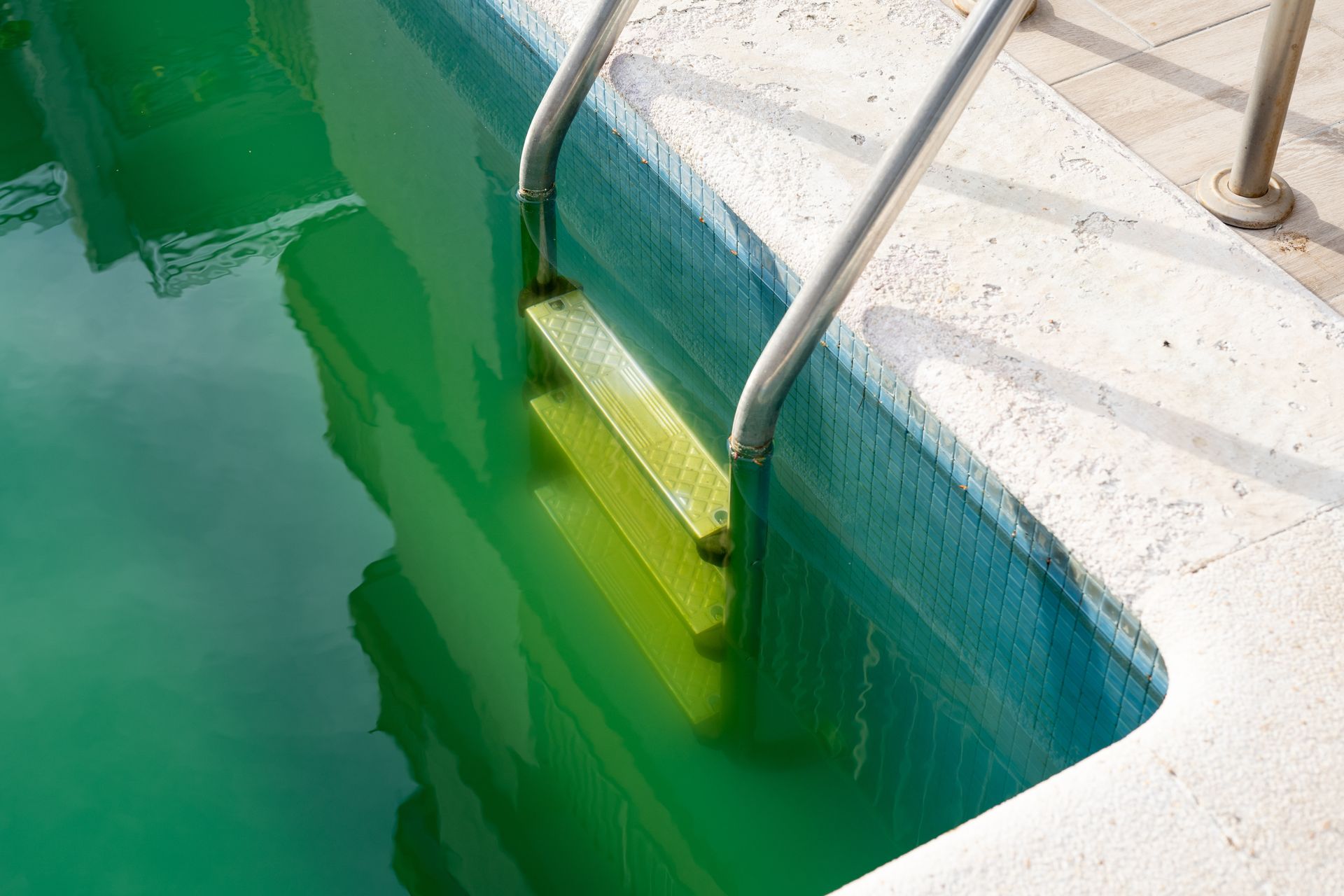
No one wants green, black or mustard algae floating around in their home pool, which is why algaecides are a popular and recommended chemical for pool owners. However, using the wrong algaecide can result in something else on the surface of your pool: foam.
To save money, many families opt to use cheap, low-grade algaecide in their pool. Unfortunately, along with being poor at keeping algae at bay, these chemicals also produce surface foaming.
To prevent this type of foam, make sure you check the label of your algaecide. In general, you should avoid low-cost options that only contain 10% polymers. Algaecides with 30% to 60% polymers and copper-, silver- or gold-based algaecides are all better, non-foaming choices.
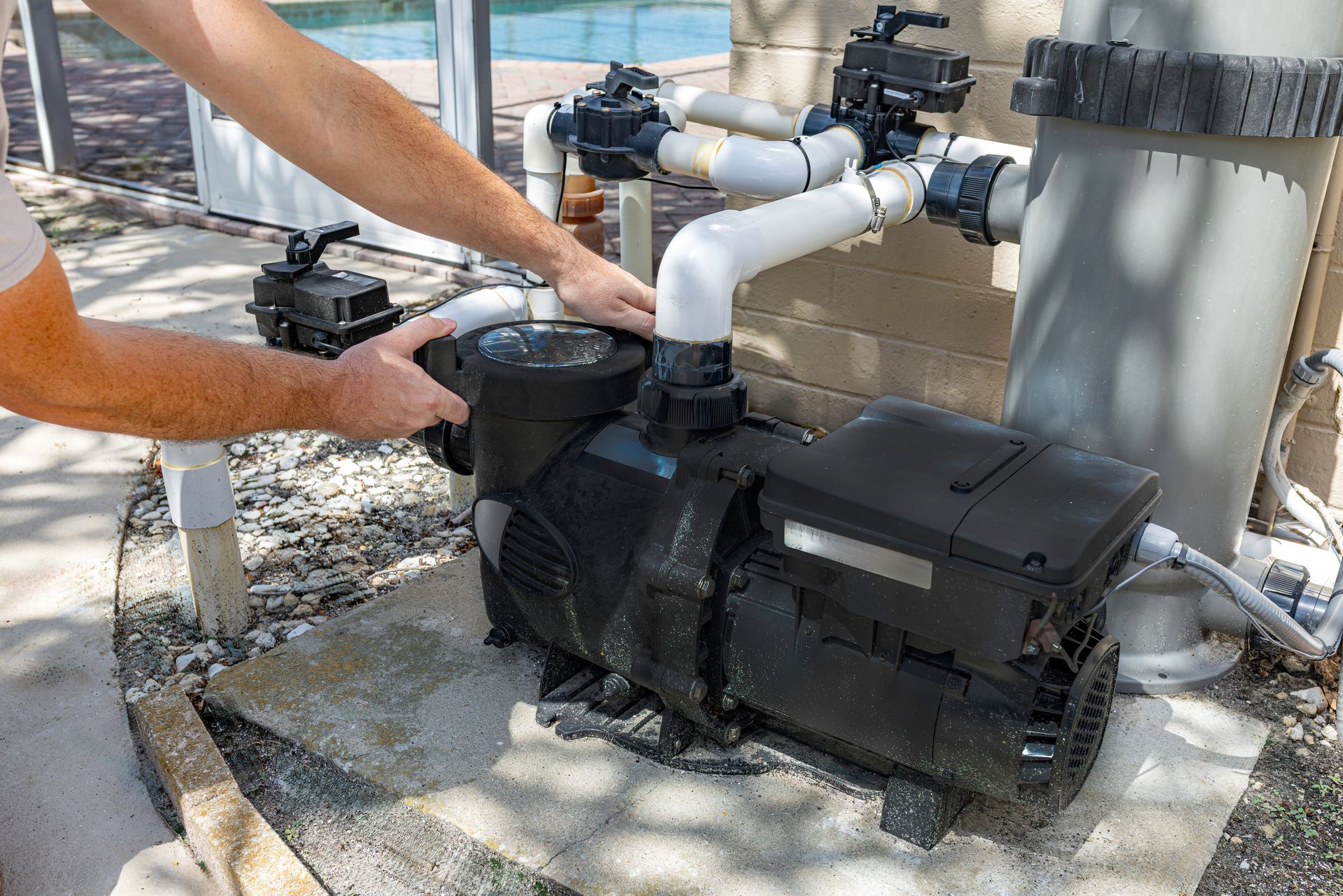
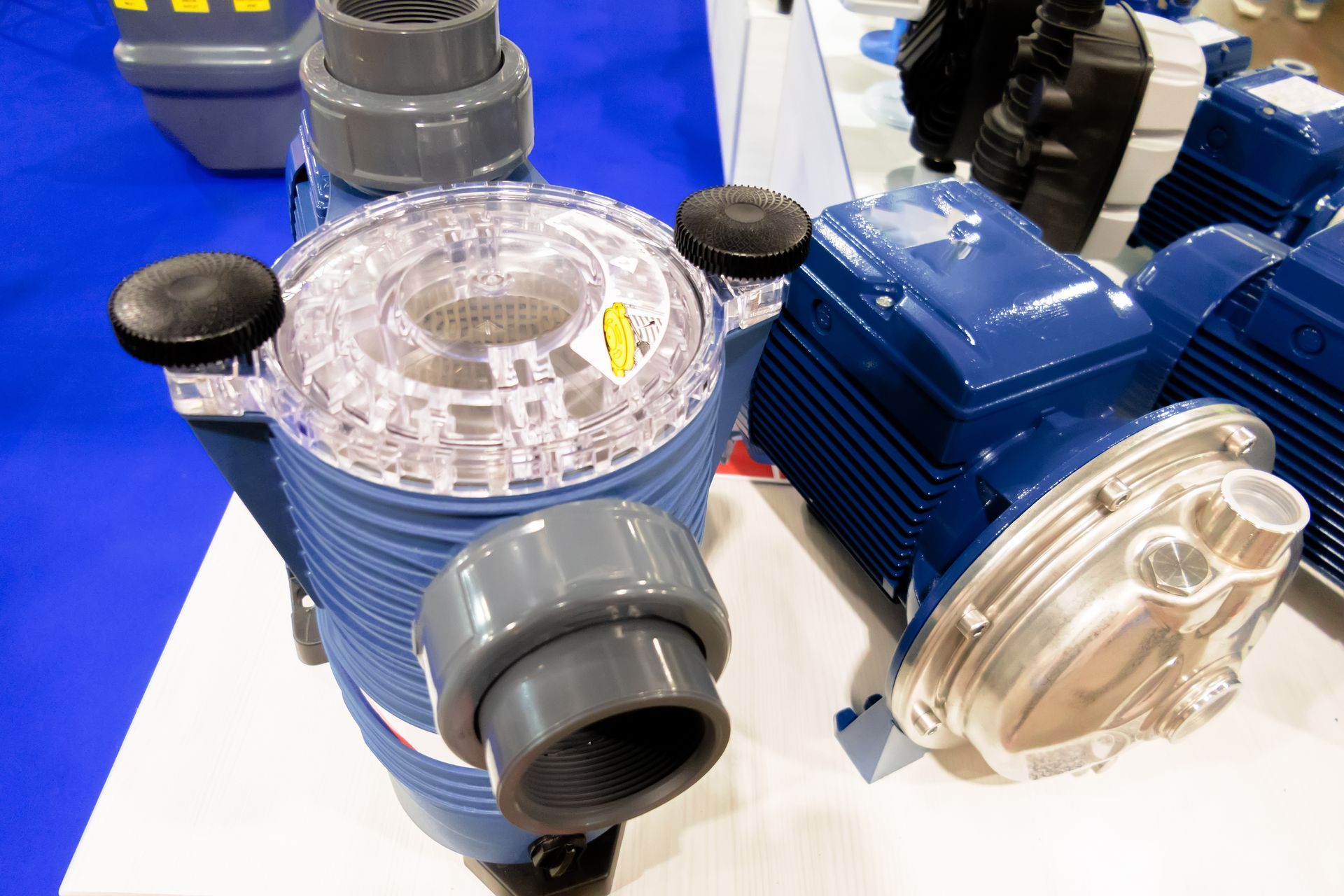
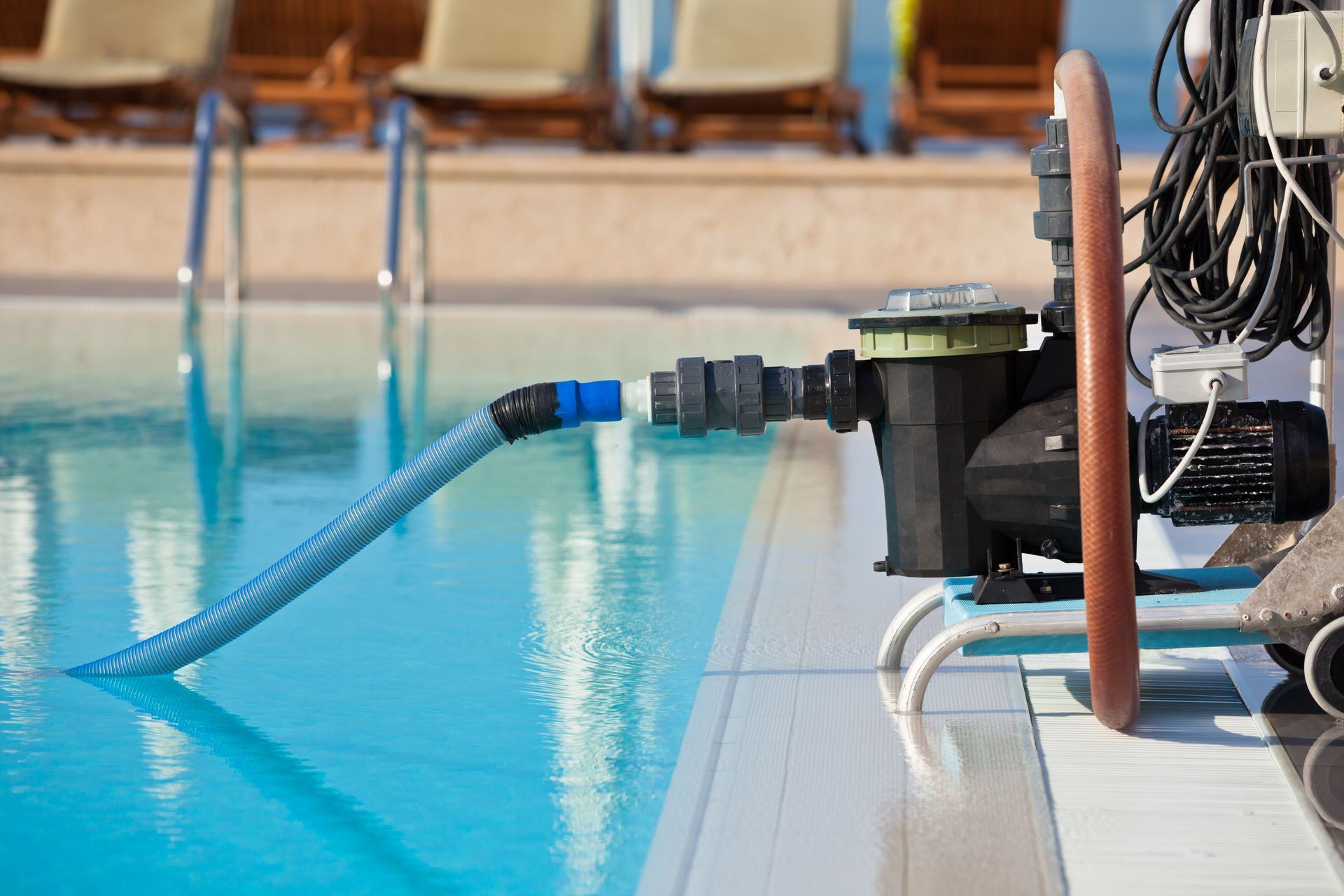
If you must use cheaper, foaming algaecides, you may be able to reduce how much of the chemical you need to use by making sure you have a strong pool pump that's in good working order. Pool pumps ensure water doesn't sit idly. They also filter out contaminants, reducing the risk of algae growth.
3. There's an Air Leak in Your System
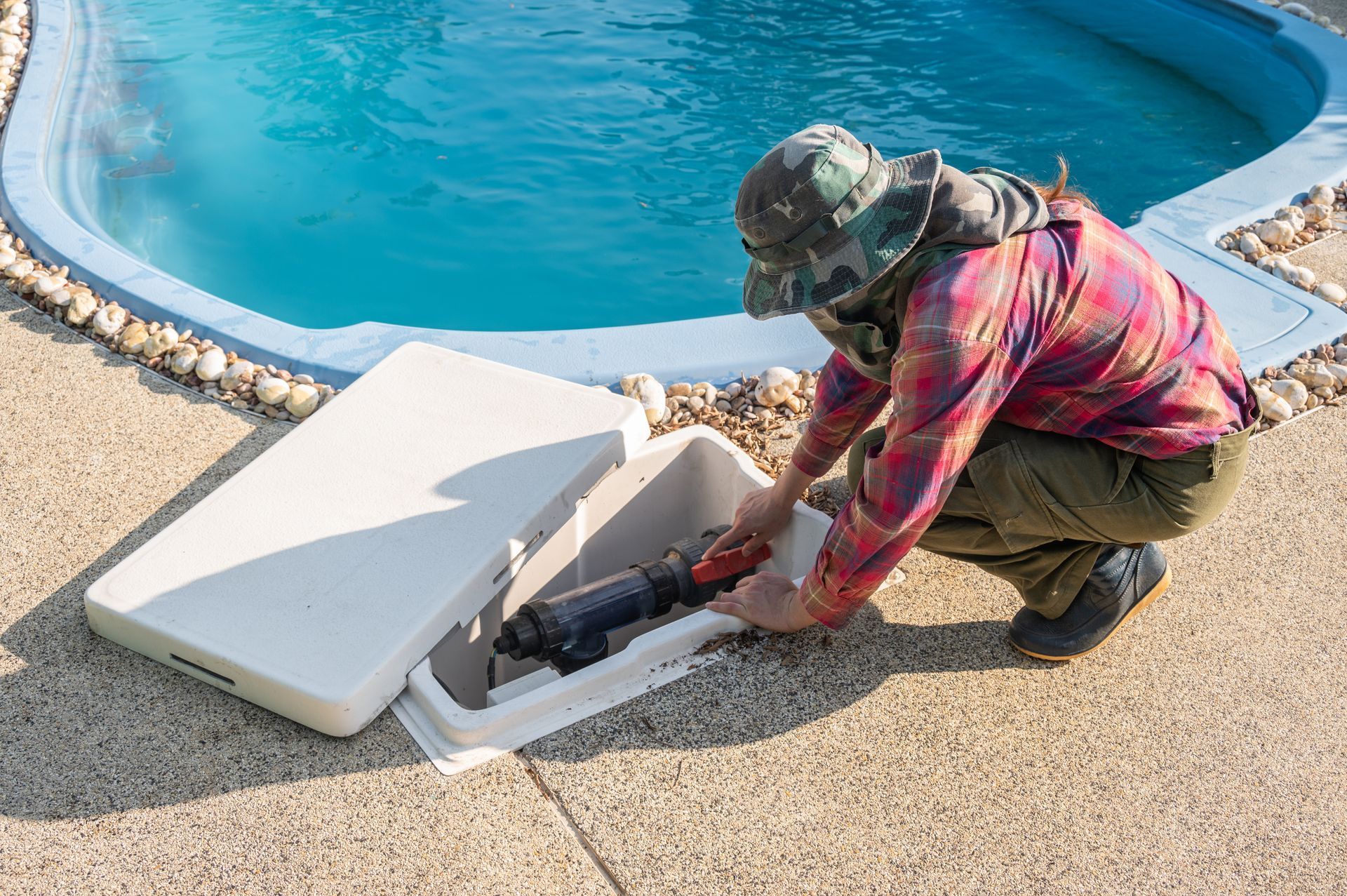
While foam bubbles often have a chemical cause, large amounts of bubbles from an air leak can give your pool's surface a similar, foamy appearance. To find the source of the leak, you'll need to examine your pump system.
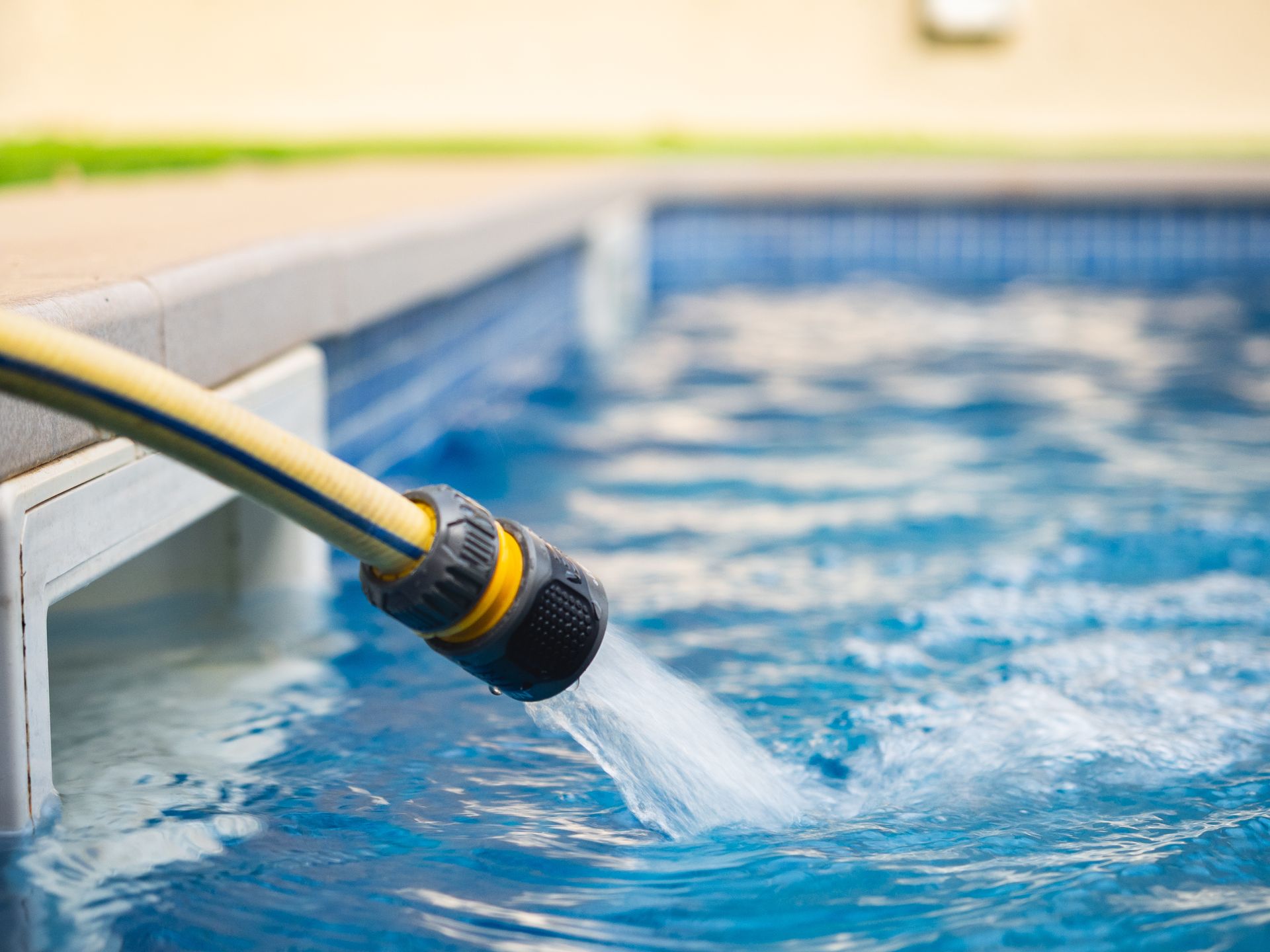
First, take a look at your water level. If at least half of the skimmer isn’t submerged, you'll need to add water to the pool to prevent the skimmer from sucking excess air into the pump.
If the skimmer isn't the problem, take a look at the O-rings of your pump's strainer pot and piping. Sometimes they become loose or cracked, allowing air to leak into the system. When you can't find a problem with the skimmer or O-rings, the most likely cause is a leak from your pump's motor shaft seal or drain plug.
Whatever, the case, you can prevent air leak foaming by making sure your keep your pool pump well maintained or replacing it if necessary.
If your pump has a leak or it's failing to keep your pool properly sanitised, contact Shenton Pumps for help with maintenance services or replacement parts that will keep foam at bay.