Pool Water Blues: What to Do When Your Pool Changes Colour

When pool water is healthy, well-balanced and free from contaminants, it appears crystal clear and sparkling. That's why the only colour any pool owner should want to see in their water is blue—the blue walls and floor of the pool showing through the clear water.
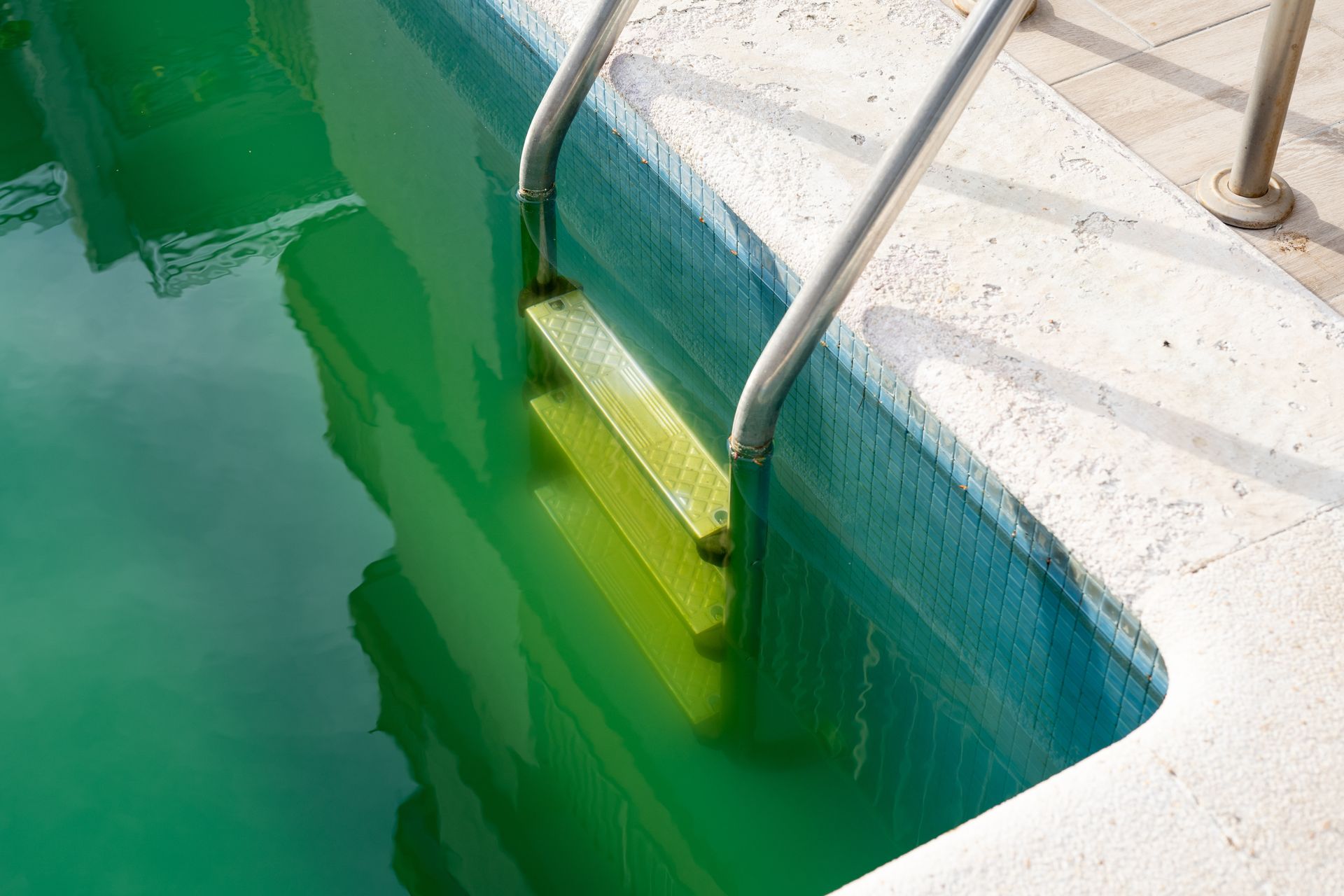
So, when your pool takes on any colour other than blue, you know something’s wrong. Both organic and inorganic compounds can affect the colour of your pool water, and each colour indicates a different problem. Here's a quick and simple guide on what some of these colours mean and how to get your pool back to its blue-tinted clarity.
Red Water Means Algae
Few pool water colours are more alarming than red. A red-tinted pool may look like a scene from Jaws, but it's not caused by blood—it's an algae problem. Many people assume all pool algae is blue or green. However, red and pink algae (which is technically bacteria rather than a traditional algae) is also a common pool complaint and can quickly tint your water if the algae gets out of hand.
Red algae often takes hold due to imbalanced pool chemistry, so the best way to get rid of it is to adjust your pool's pH, alkalinity and water hardness levels until they're correct. Then, bring your chlorine level up to around 20 ppm and maintain it until you get rid of the algae. You may also need to backwash your filter multiple times a day and use a pool vacuum to get rid of dead algae.
White Water Means Contaminants
Does your pool look more like milk than water? Cloudy, white pool water is a common problem that's caused by contaminant particles. These microscopic particles are left behind by swimmers, foliage and chemicals, and the way the particles reflect light can make a pool look white and milky.
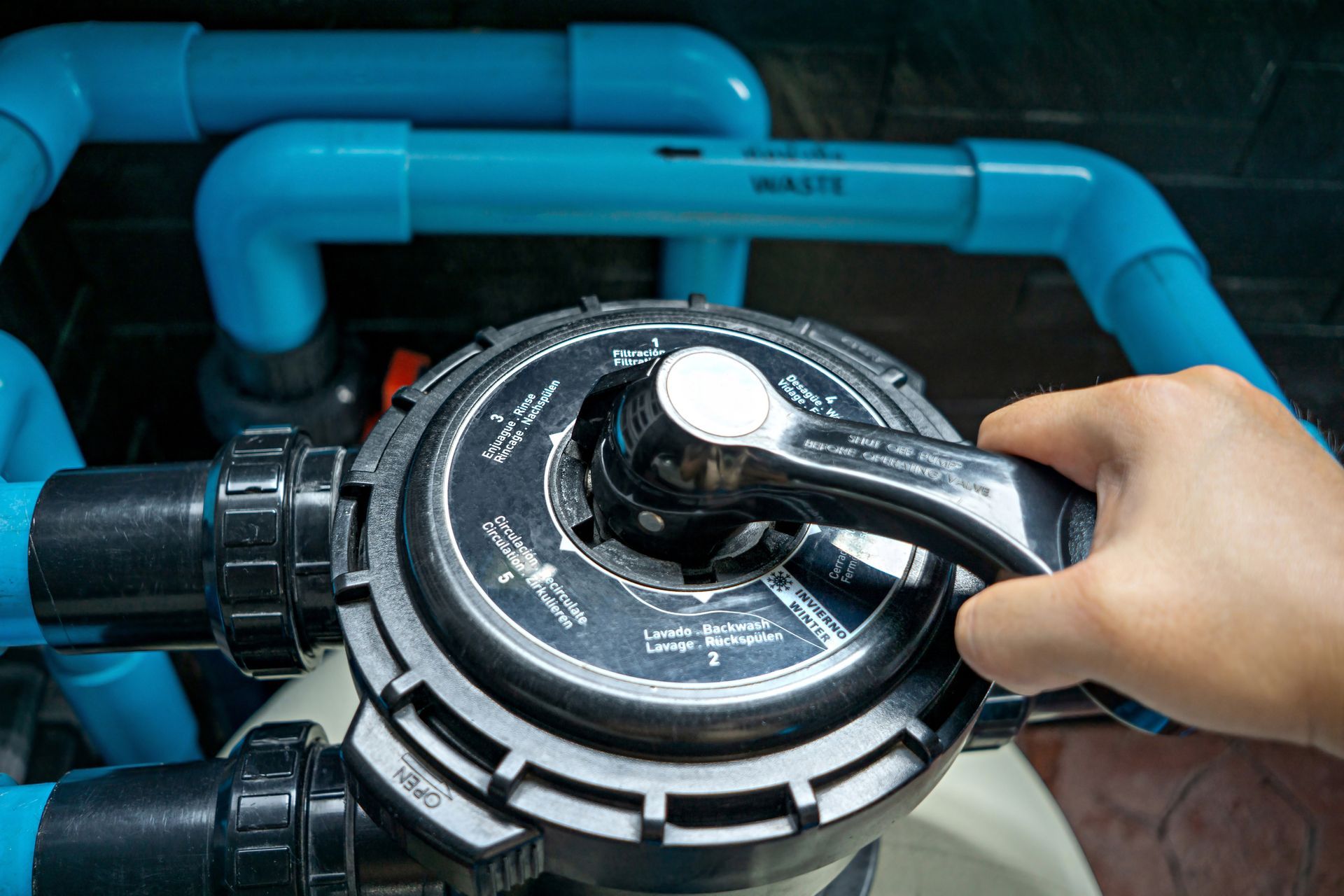
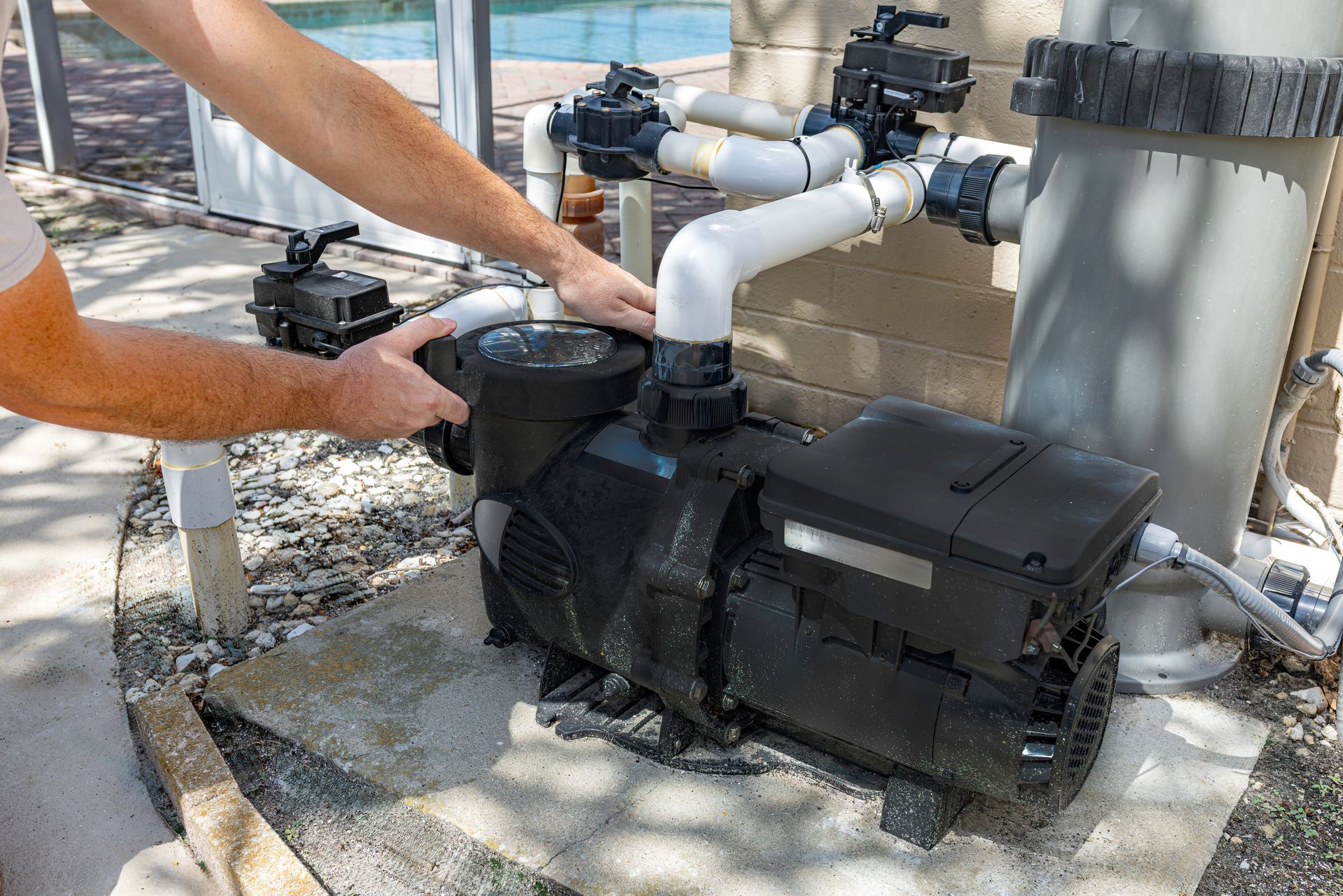
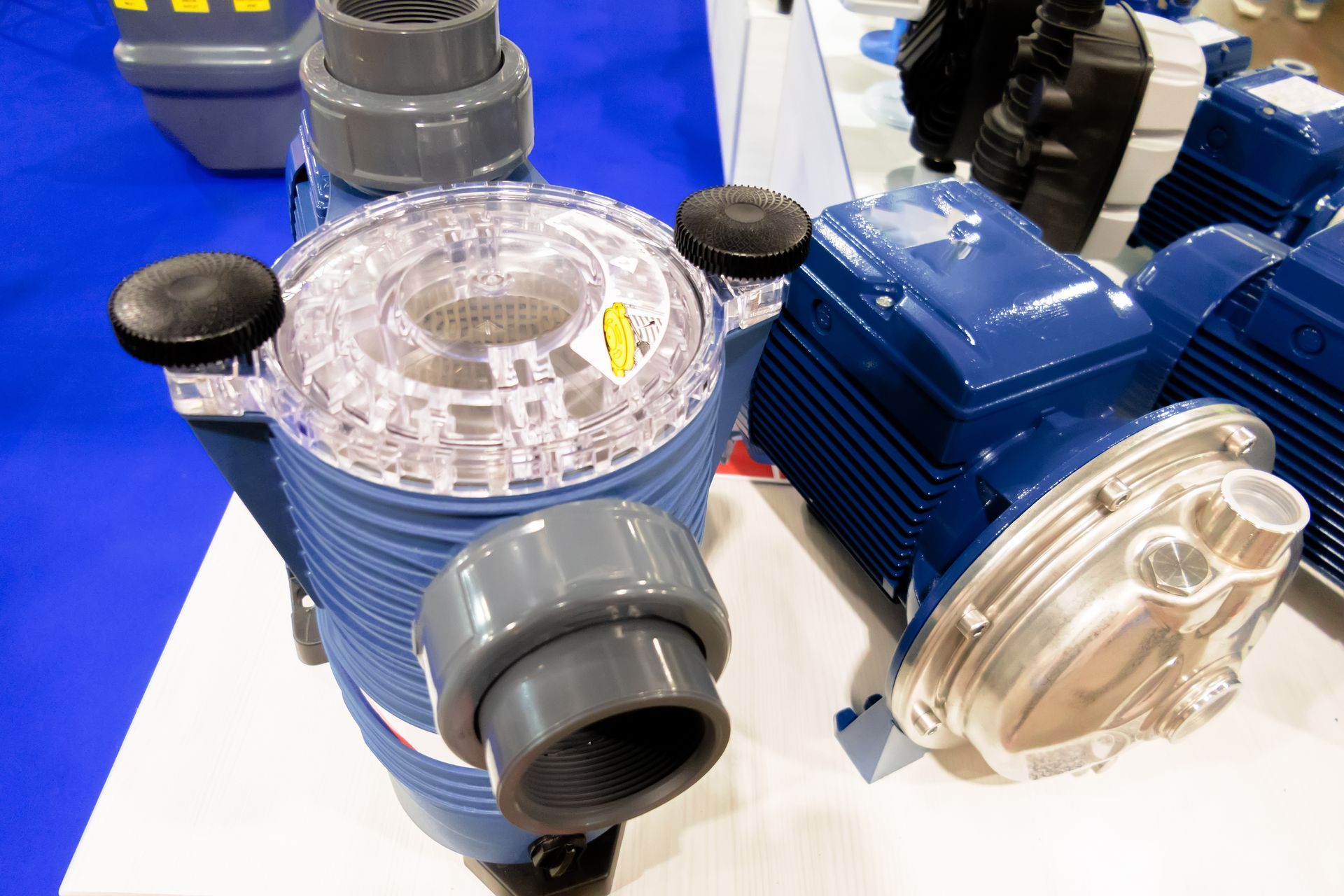
Several ways exist to address this problem. One is to make sure everyone who gets in your pool showers beforehand; this reduces lotion residue, bodily oils and other microparticles in the water. Another solution is to check your filtration system. A small or broken pump could stop contaminants from getting removed from your pool water properly, as could a dirty or damaged filter.
Purple Water Means Minerals
Animal, vegetable, mineral isn't just a popular question-and-answer game—this is also a way to categorise pool problems.
When a pool takes on a purple hue, this usually stumps owners. After all, purple is mostly in flowers, berries and exotic animals—not in pools. But the real culprit is not animal or vegetable at all—but the third category, mineral. A purple pool indicates a high level of manganese or copper cyanurate in the water, causing purple crystals and stains to form over the surface of the pool.
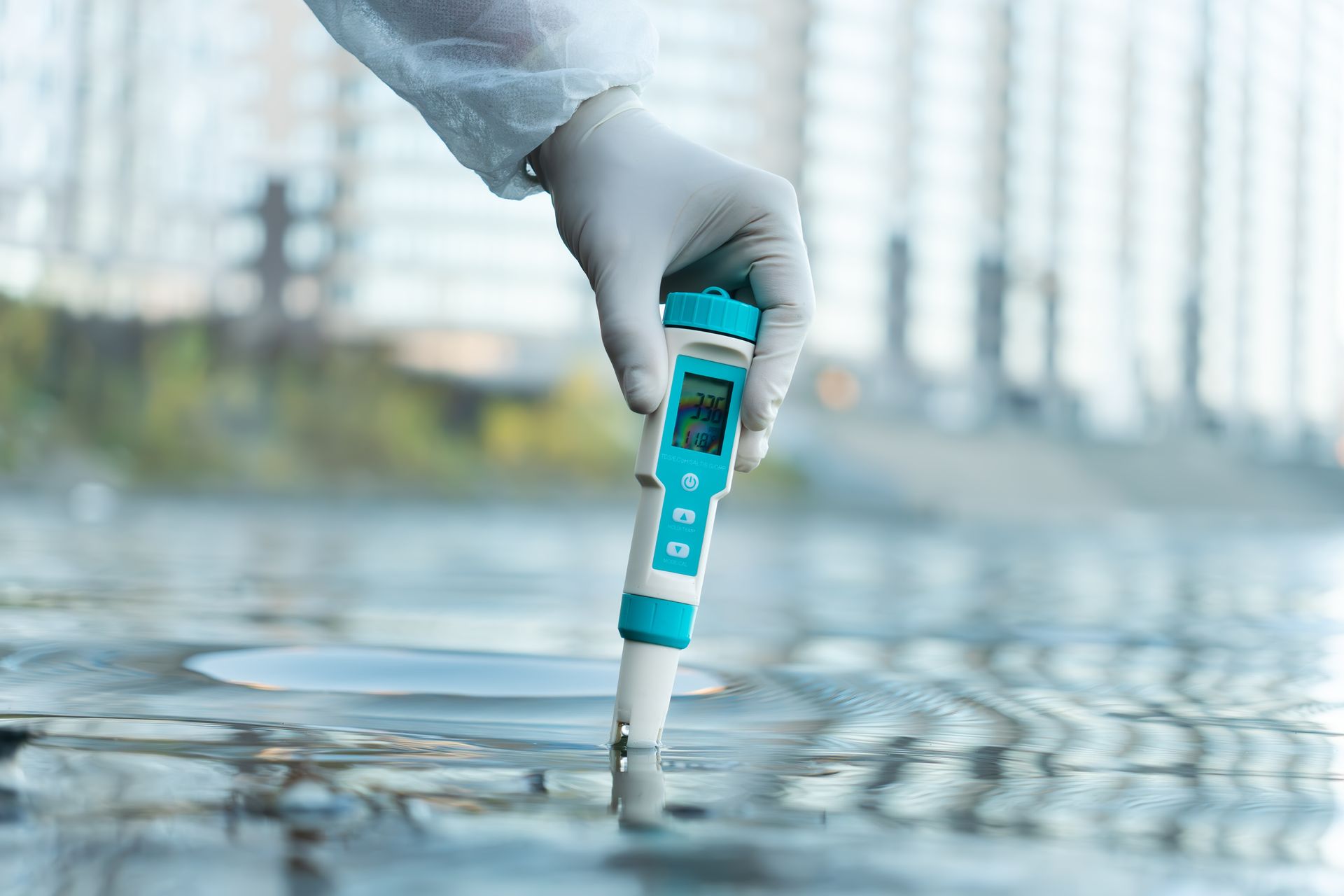
To get a purple pool back to blue, you'll need to correct the chemical balance of the water. If the problem is manganese (indicated by staining), you'll need to reduce the pH level to 6.8, brush away the stains daily for a few days and then bring the pH level back up to around 7.5.
If copper cyanurate is the culprit (indicated by crystals), the solution is to lower the CYA level to around 40 to 50 ppm, trap the copper using a metal control product and then bring the levels up to normal.
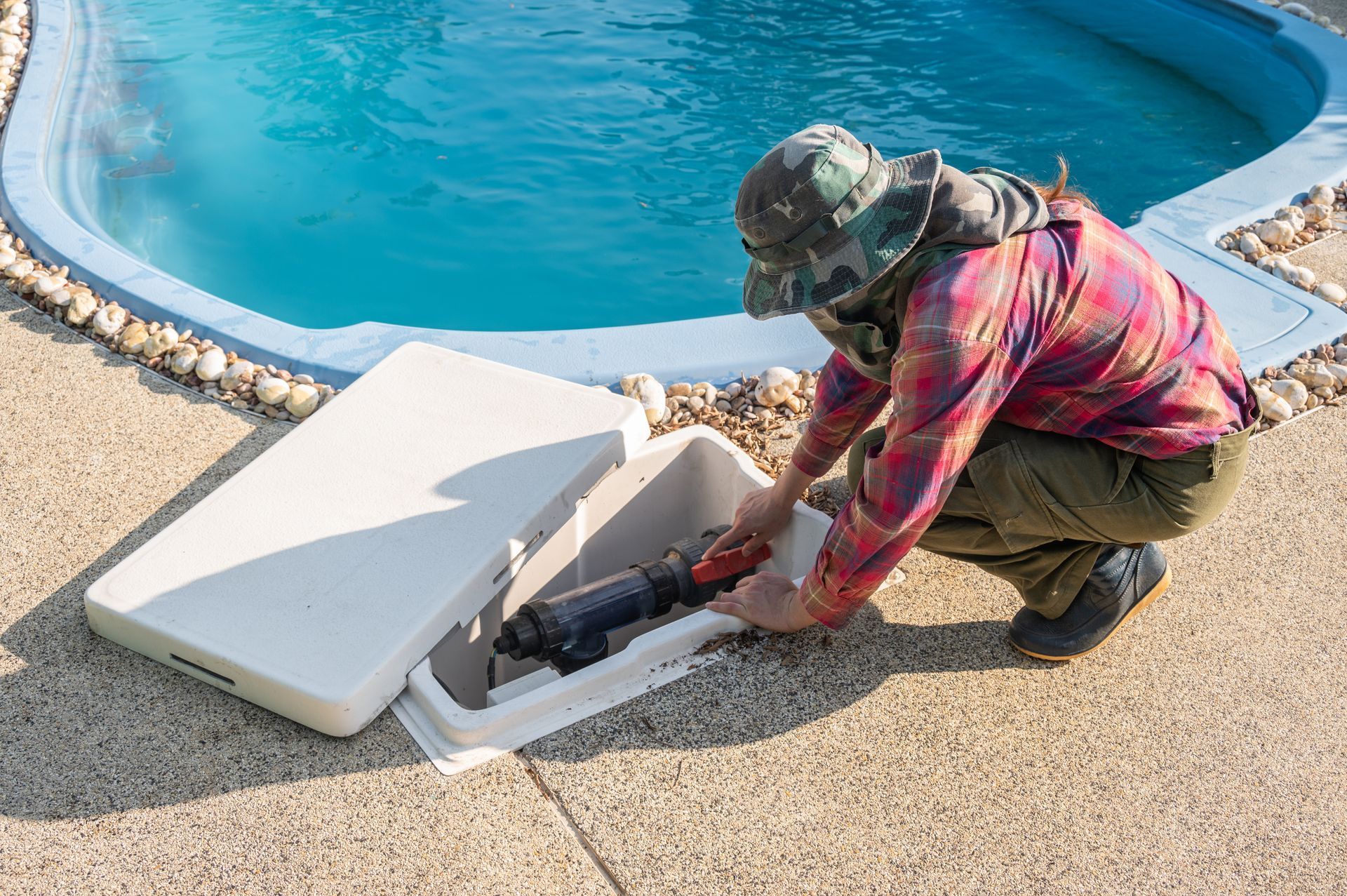
Without a doubt, a well-maintained filtration system and properly balanced chemicals are the key to effortless, clear blue pool water all year round. If you're in need of a new pump or filter or you're searching for the right chemicals to balance your water, check out our range at Shenton Pumps.