Will Your Dog Damage Your Swimming Pool?
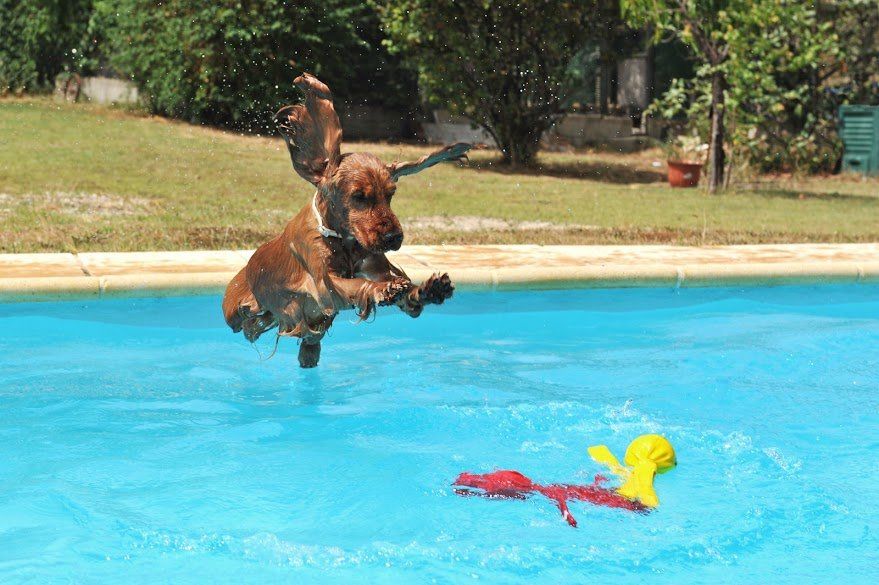
Should a family swimming pool truly be for every member of your family? If your family includes a child of the four-legged canine variety, should your pooch be allowed to take a dip? The answers to these questions will depend on several different factors.
Your above-ground pool
Do you have an above ground pool? Even if you supervise your dog while in the pool (which you always should), it's unwise to allow them to swim in an above ground pool.
Soft-sided pools
Supervising is especially relevant with soft-sided above ground pools, where the pool lining is also the pool's outer wall. A dog's flailing claws (because doggy paddling is not the most graceful form of swimming) can very easily breach the lining, which can cause a serious leak, even rendering the pool unusable.
Hard-sided pools
Hard-sided above ground pools can likewise be damaged by your dog. While the outer wall won't be breached, the vinyl lining can become scratched, meaning you will have to pay for costly repairs or replacement.
Above ground pools and dogs don't mix. But what about an in-ground pool?
Your in-ground pool
Yes, your dog can swim in an in-ground pool, but there must be certain measures in place before this can happen.
Brush your dog
Thoroughly brush your dog's coat before allowing them into the pool. This removes excess hairs which can detach while swimming and overwhelm your pool's filtration system.
Use a pool sock
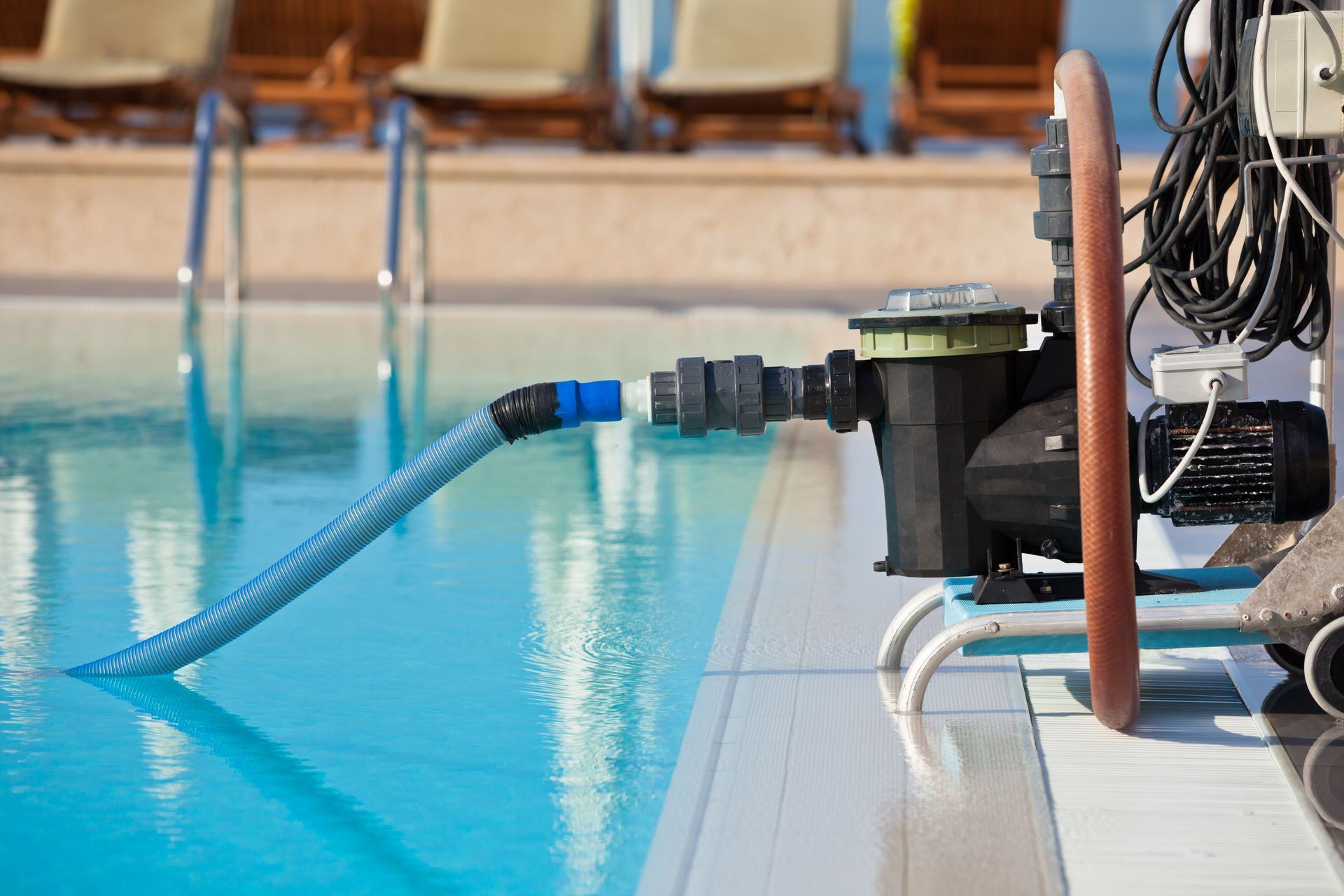
A nylon pool sock fitted over your pool's skimmer is a smart addition in most circumstances, but it's mandatory if your dog uses your pool because the ultrafine mesh will catch most dog hairs. After your dog has used the pool, manually run your filter to push debris into the filtration system. The pool sock will catch the hairs, and can then be disposed of and replaced.
Check the water quality
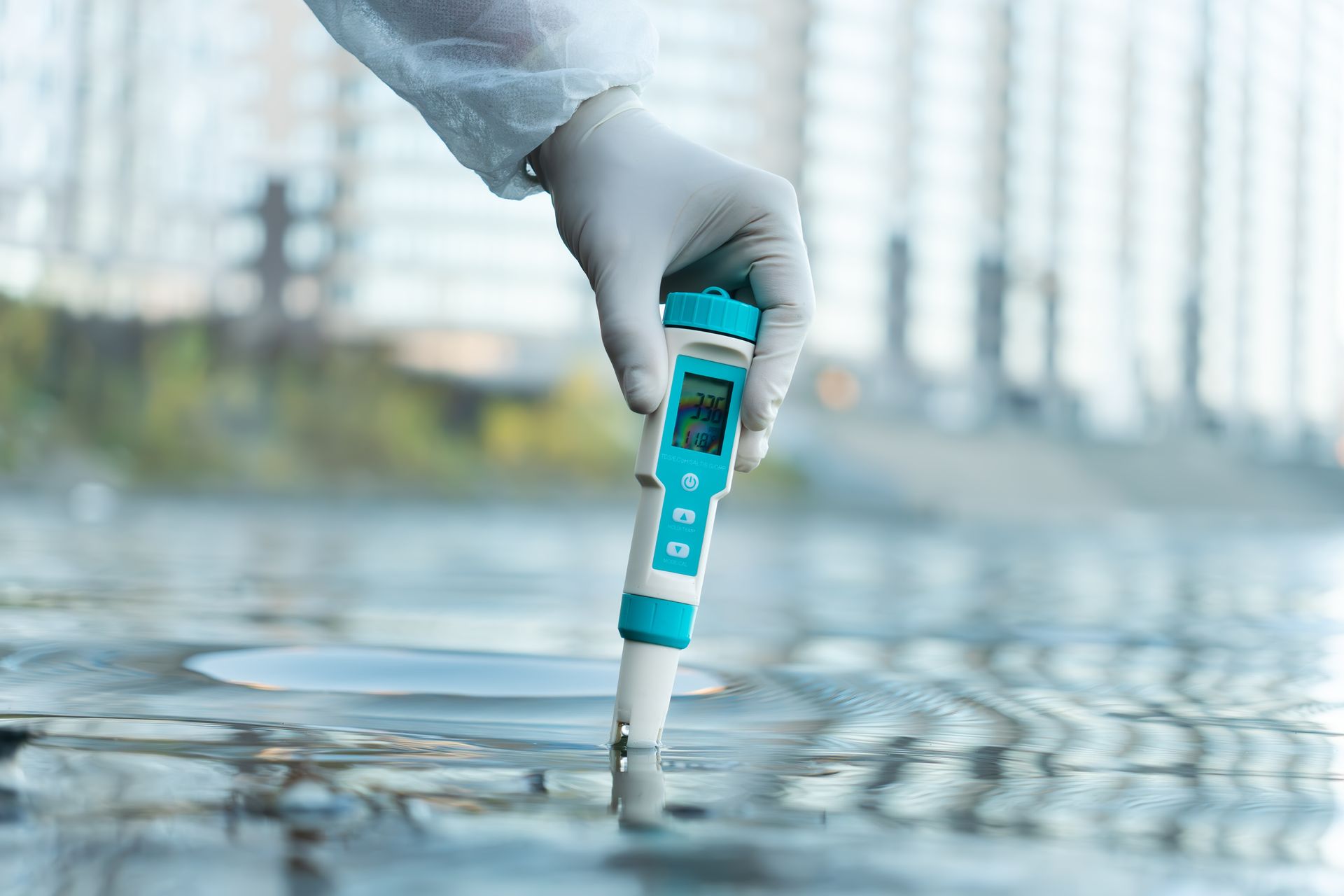
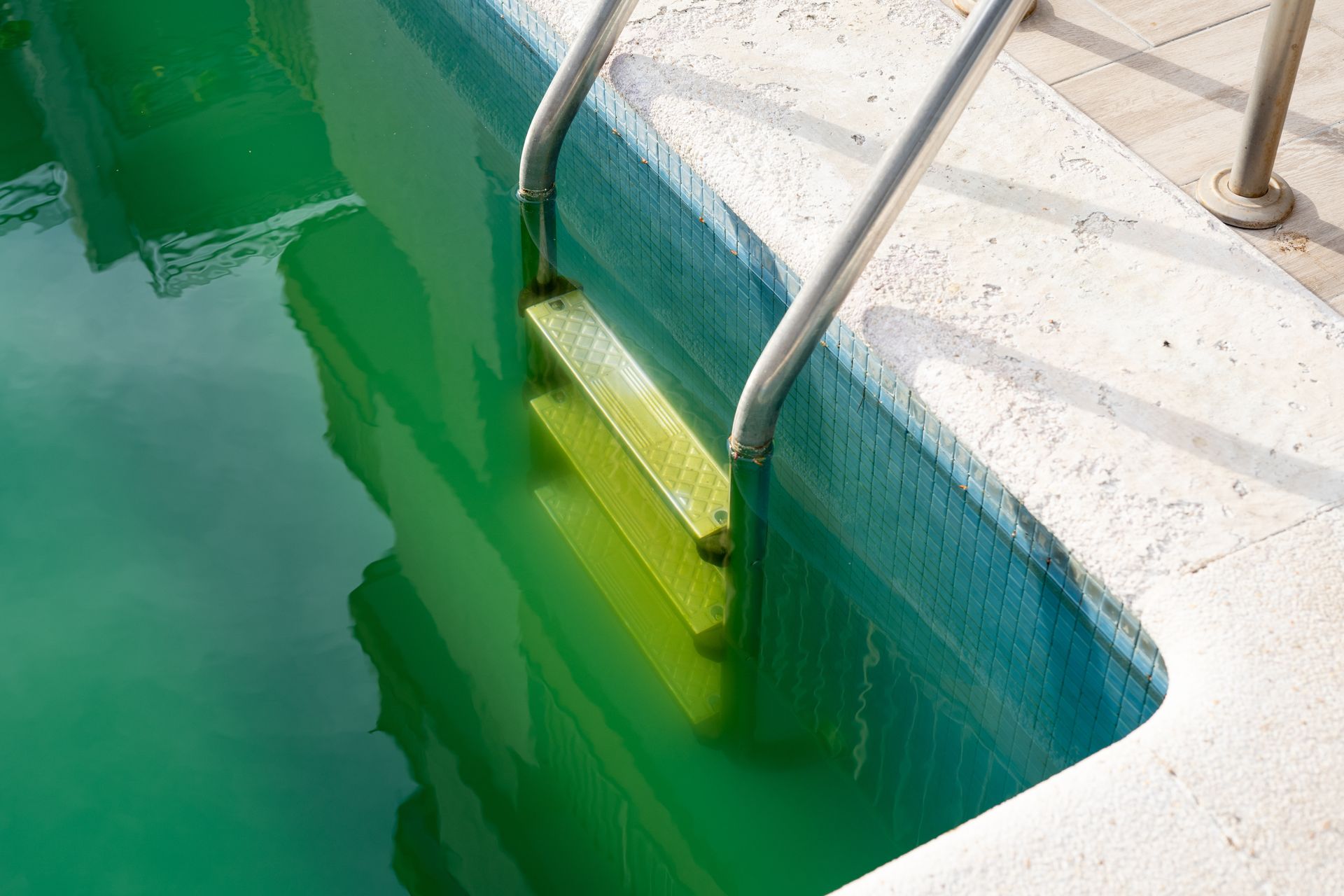
Your dog's presence in the water can alter your pool's pH and chlorine levels. Check these levels after your dog has finished in the pool and adjust as needed. Chlorinating your pool after your dog has swum is a good hygiene measure.
Remember that your dog does not bathe as regularly as the human users of the pool, nor does your dog wipe their backside. Be sure that the pool's water remains consistently safe for its human users.
Skim the pool surface
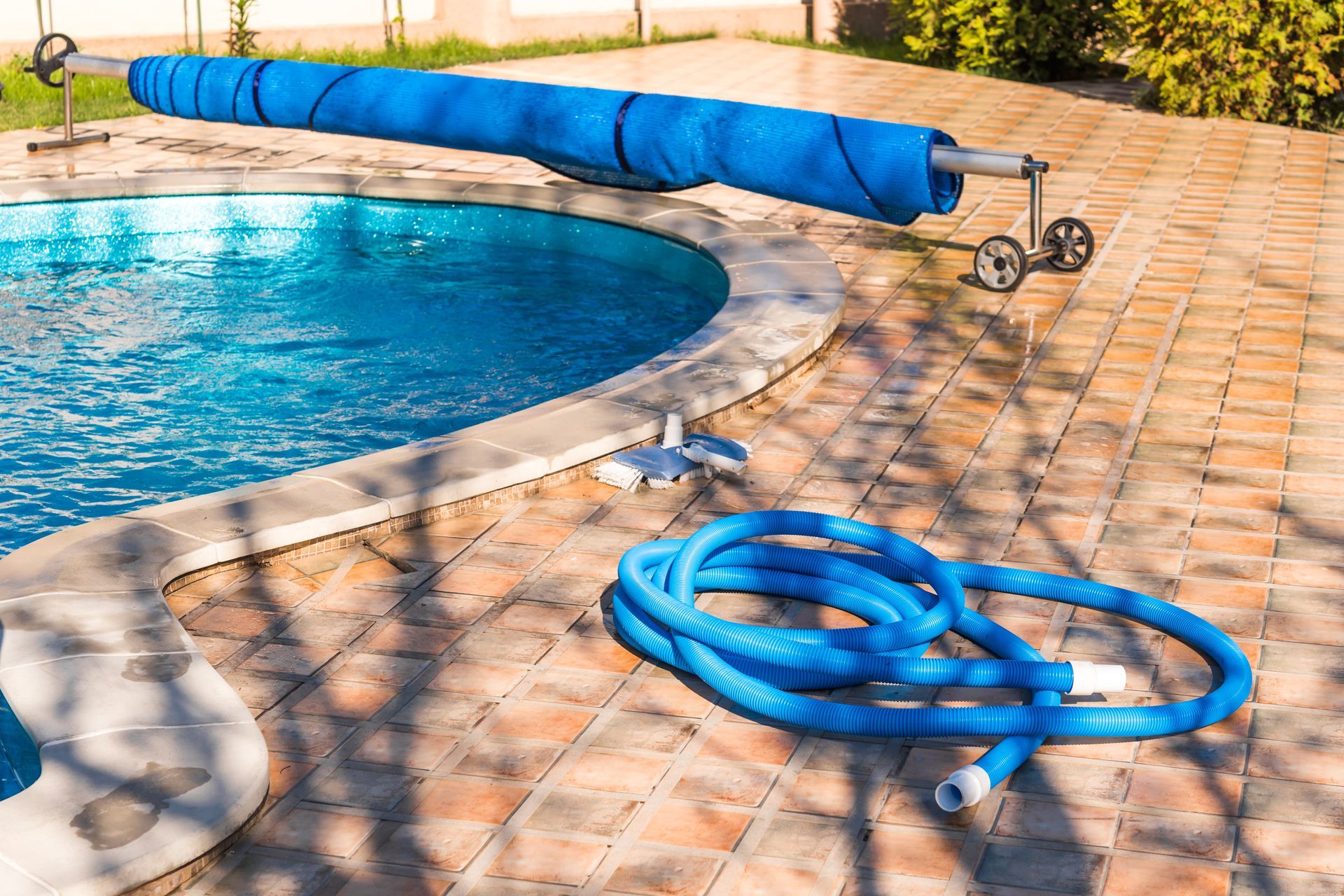
When your dog uses your pool, you must be even more diligent with basic hygiene measures, and this includes manually skimming the pool to remove hair before it reaches the pool's filter. If you don't already have an automatic pool cleaner, consider obtaining one. This reduces the amount of manual labour needed to keep the pool clean, which becomes even more important with the presence of your dog in the water.
Your pool's filter
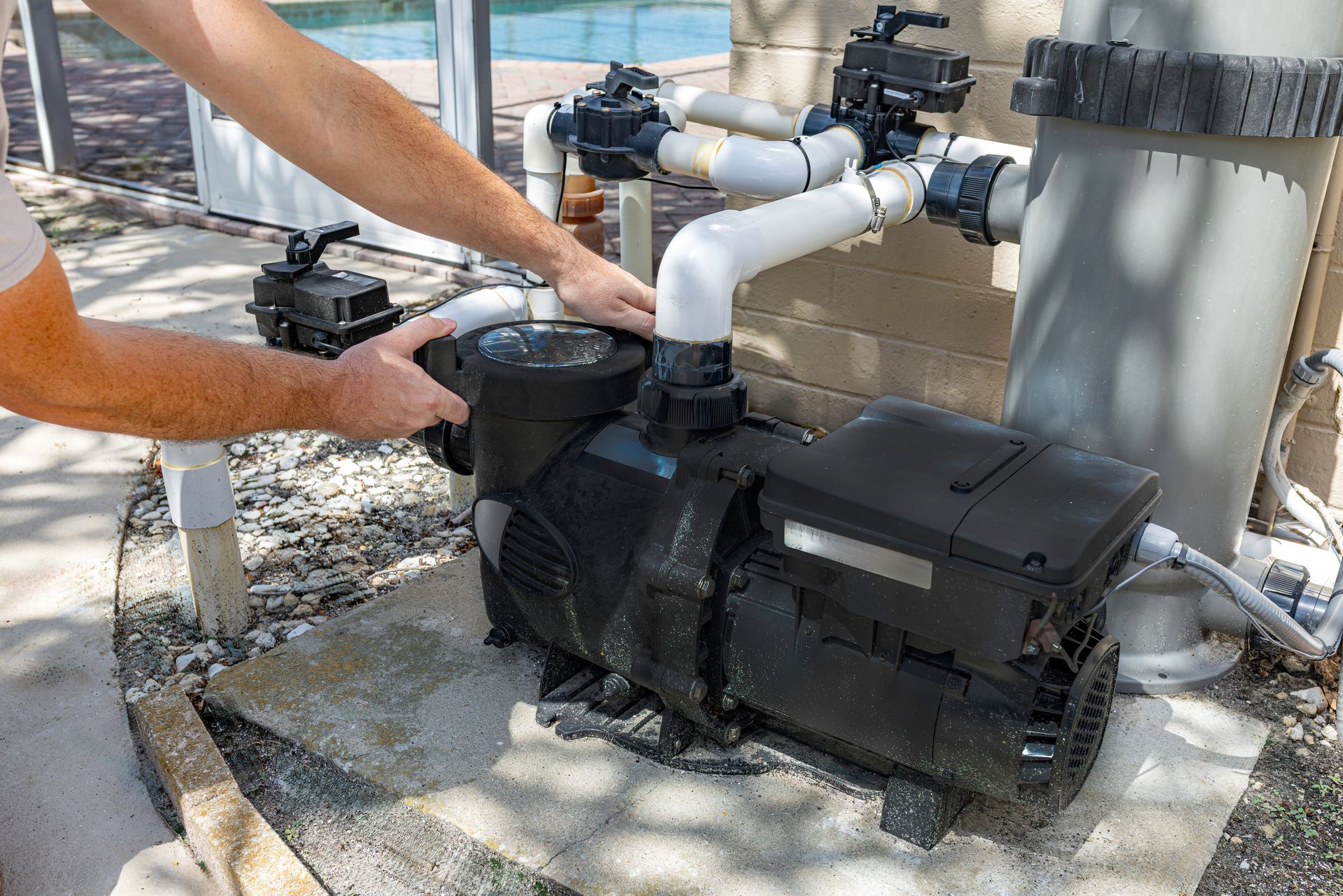
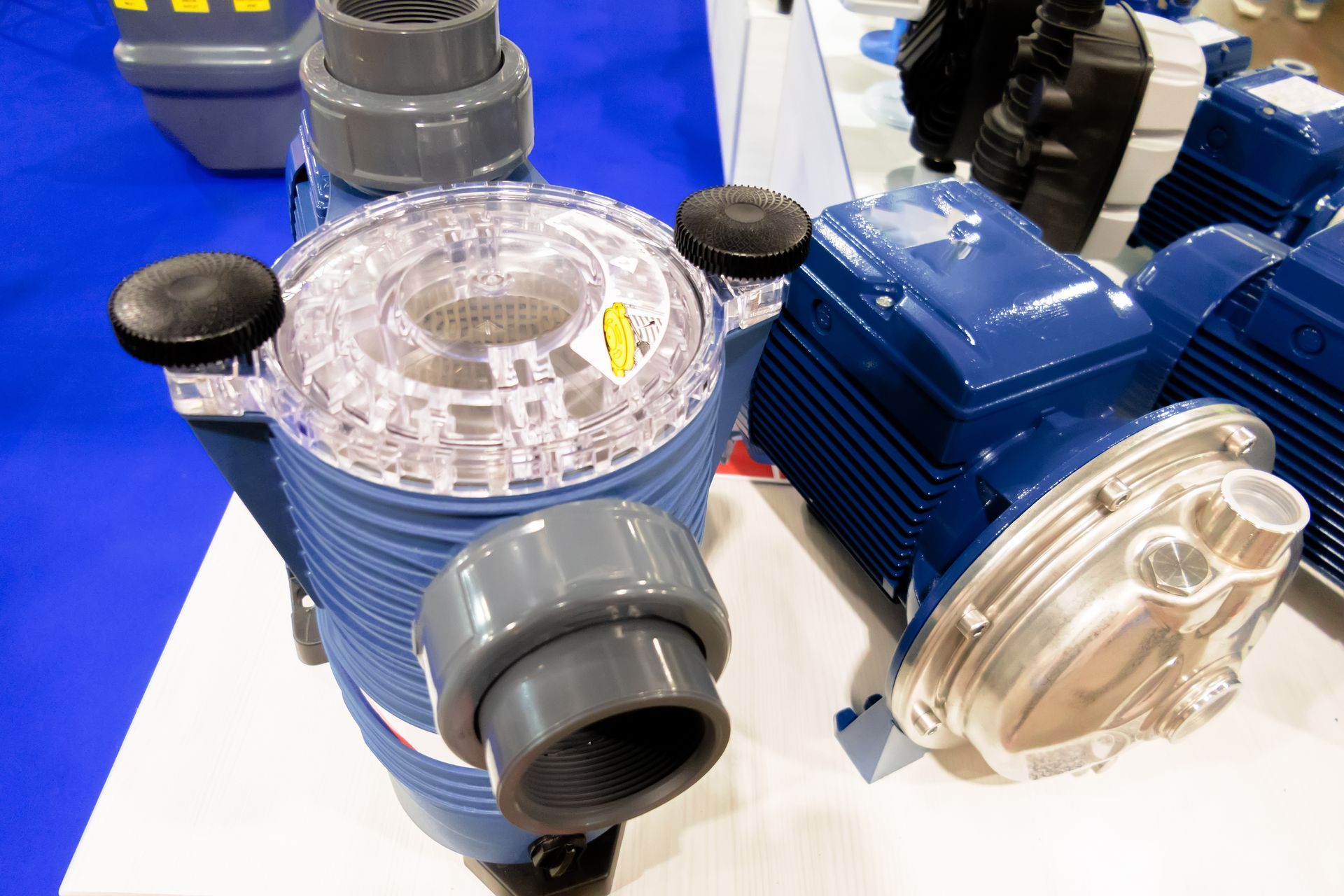
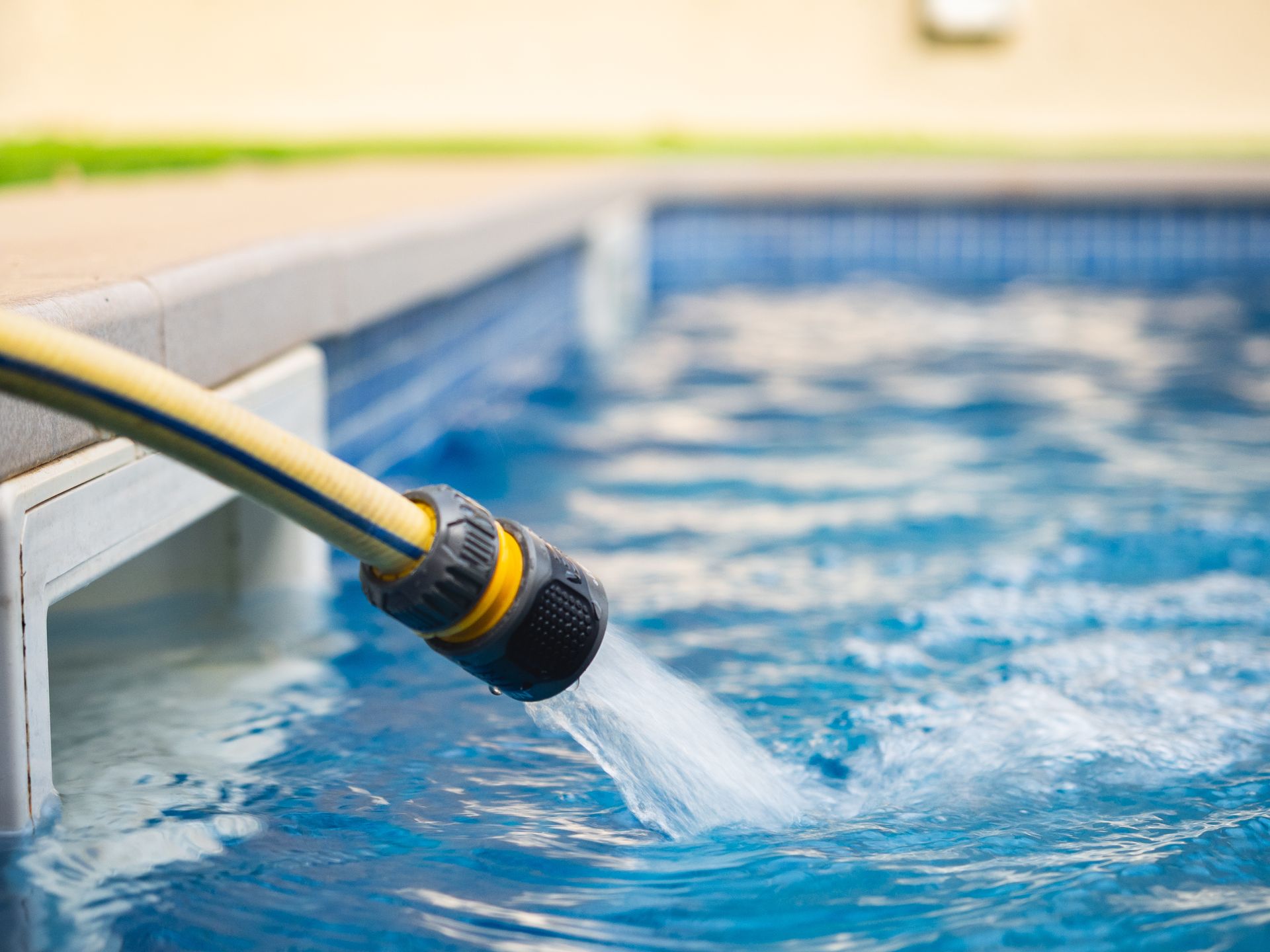
Make sure that your pool's filtration system can cope with your dog's hair. What does this involve? If your pool uses cartridge filters, it means that you don't have to backwash your pool. These cartridges can be removed and manually cleaned (using a hose and an appropriate brush), or simply removed and replaced.
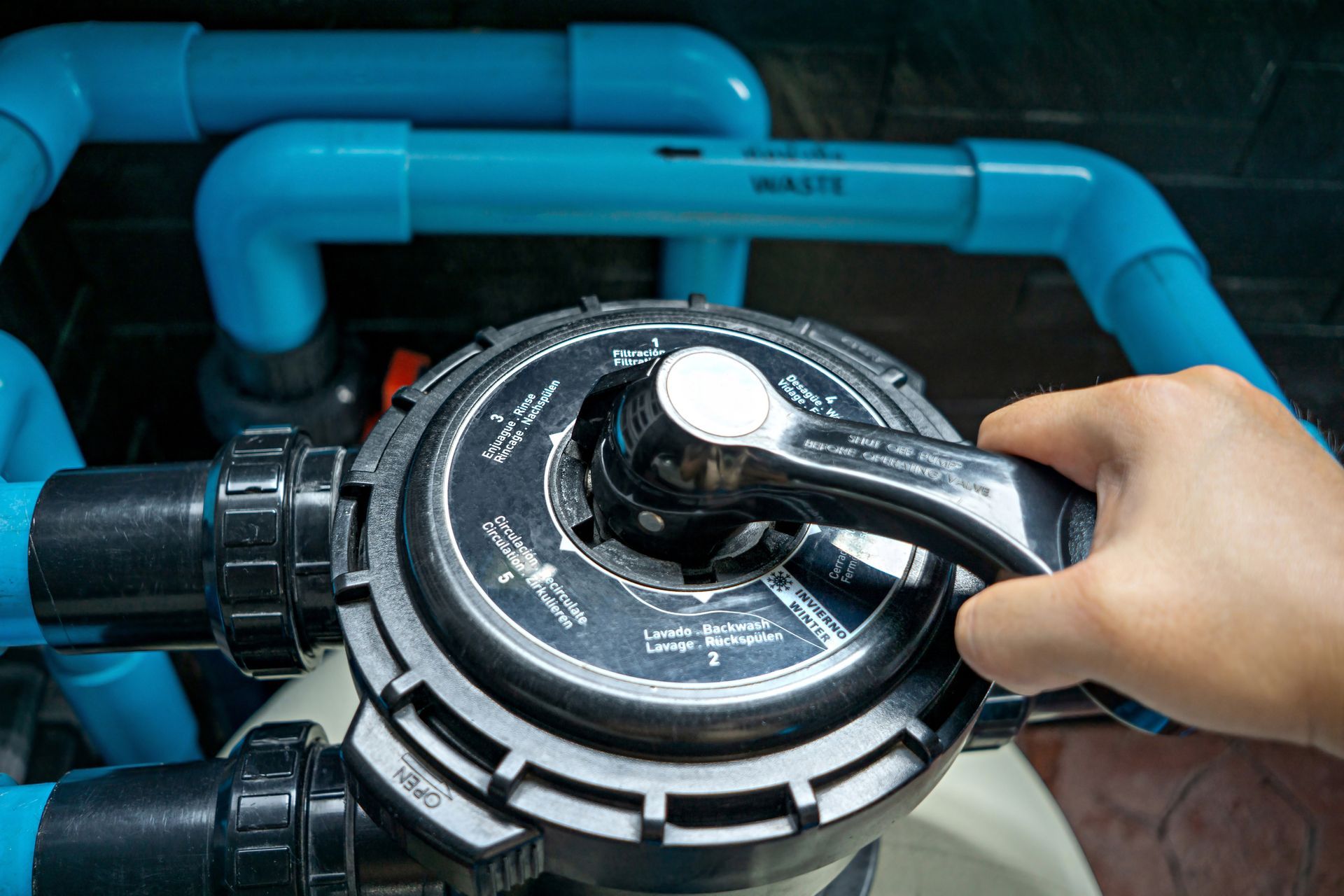
Additionally, you could use a sand or DE (diatomaceous earth) filter, which contains granules as filtration agents. These types of filters should be backwashed monthly when the pool is in use. However, you should consider backwashing more frequently when your dog uses the pool to flush out any hairs and debris that make it past your cleaning efforts.
Your dog can certainly enjoy your in-ground pool along with the rest of your family, provided that additional hygiene measures are in place. Your dog must be supervised at all times when they swim, and be sure to discourage them from drinking the water.
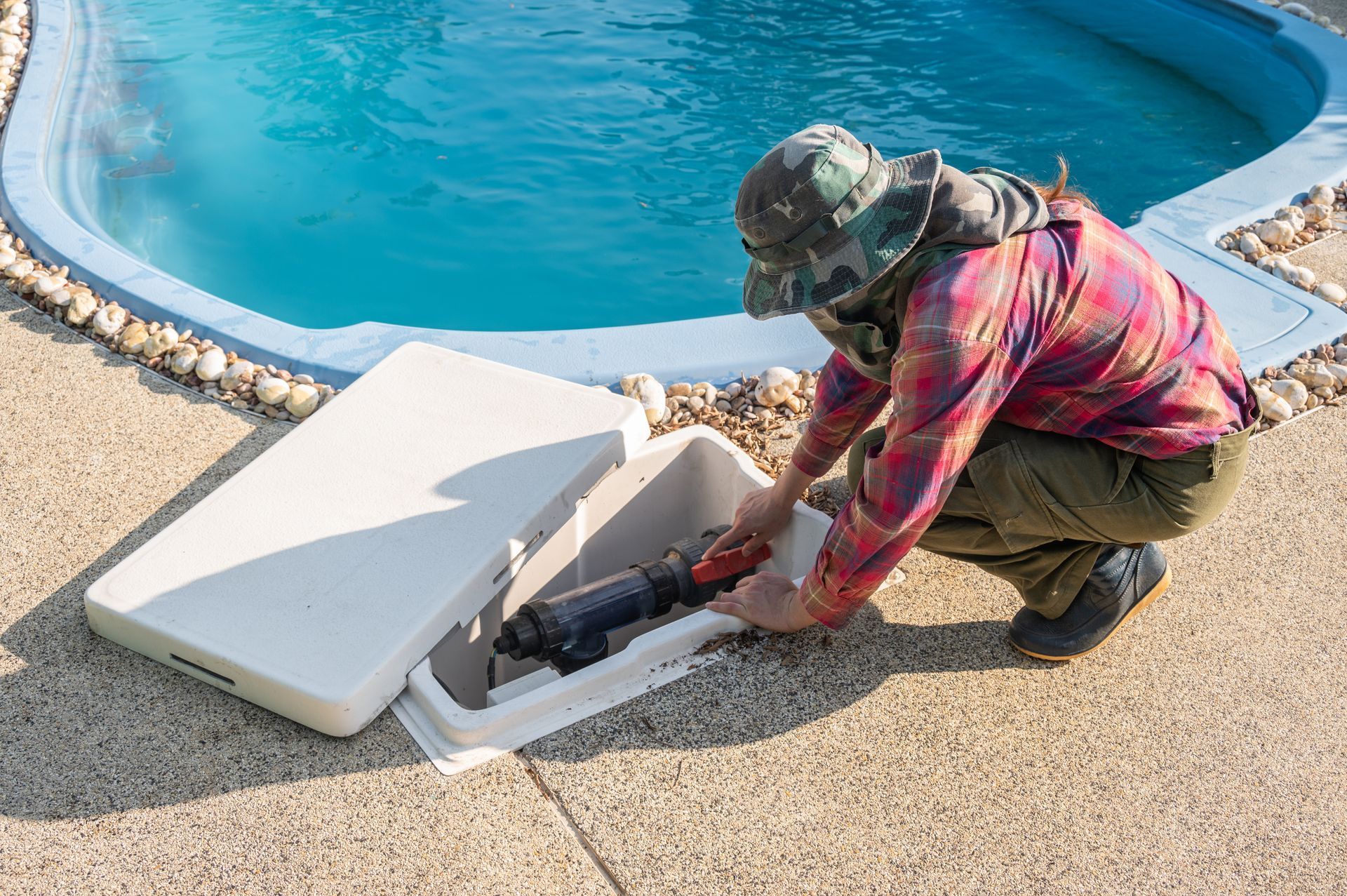
Please don't hesitate to get in touch if your filter needs an upgrade, or if you require additional cleaning and filtration tools to ensure your dog can use the pool without damaging it. Our team at Shenton Pumps is happy to help.